




In short
Magic Media delivered end-to-end game co-development for Coloniser, supporting art, design, engineering, UX/UI, gameplay systems, and persistent multiplayer infrastructure. The project shows how an integrated co-development team can help ambitious games solve complex technical and production challenges while keeping the creative vision, player experience, and long-term stability aligned.
Magic Media delivered end-to-end game co-development for Coloniser, a large-scale online real-time strategy game built around persistent multiplayer worlds. The work brought art, design, engineering, UX/UI, gameplay systems, backend infrastructure, and level design into one connected production effort.
Coloniser demanded more than specialist support in one area. Its real-time strategy systems, persistent matches, high player count, deep progression, and competitive world required teams to solve technical and creative problems together. The result was a co-development model designed to support the game as one product, rather than a collection of separate workstreams.
What Is Coloniser?
Coloniser is a large-scale online real-time strategy game set on the hostile alien world of Hastaris. Players crash-land, establish settlements, manage resources, develop technology, form alliances, and compete for control in a shared world.
The game combines colony building, survival, resource management, diplomacy, technological progression, and tactical warfare. Its matches are designed to persist for 30 to 90 days, creating a strategy experience where decisions made early can shape a player’s position weeks later. You can explore the full Coloniser case study for the published project scope.
Why Did Coloniser Need End-to-End Game Co-Development?
Coloniser needed several disciplines to move in the same direction. Art had to give the world a clear visual identity while remaining practical for a complex RTS environment. Design had to make long-term progression, diplomacy, economy, and combat understandable and fair. Engineering had to support a persistent multiplayer world where many decisions and interactions remained accurate over extended matches.
Treating these needs as isolated tasks would have created unnecessary risk. A visual decision can affect readability and performance. A gameplay system can affect the backend state model. A UI choice can affect how quickly players understand a complicated strategy decision. A persistent match structure can affect balancing, hosting, support, and future content planning.
Magic Media supported Coloniser across art, design, and engineering so that the project could be developed as one connected experience. This is the practical value of game co-development on an ambitious game: specialist work is most valuable when it remains aligned with the same player promise and production plan.
What Did Magic Media Deliver for Coloniser?
Magic Media’s published case study documents support across the following areas:
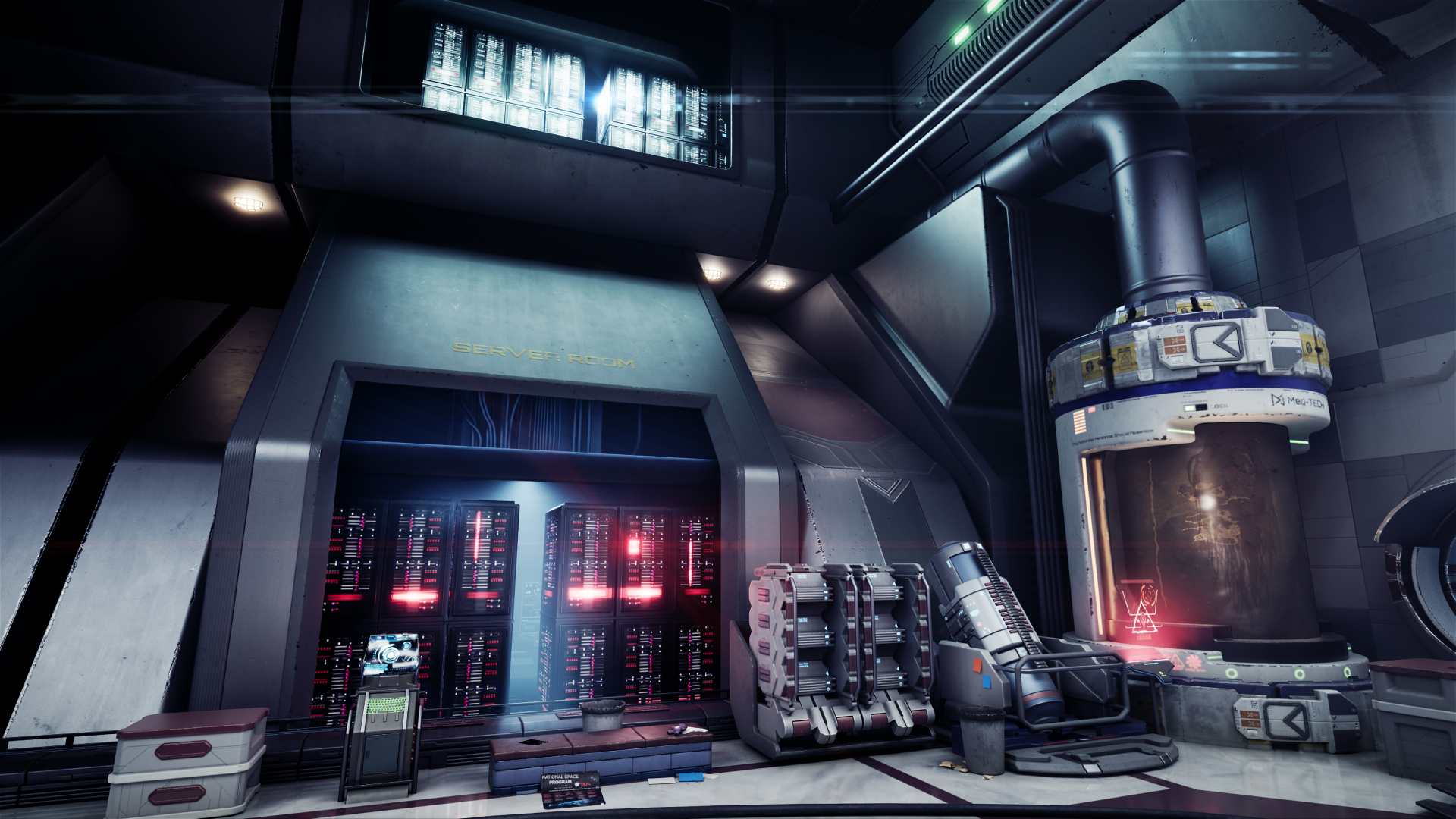
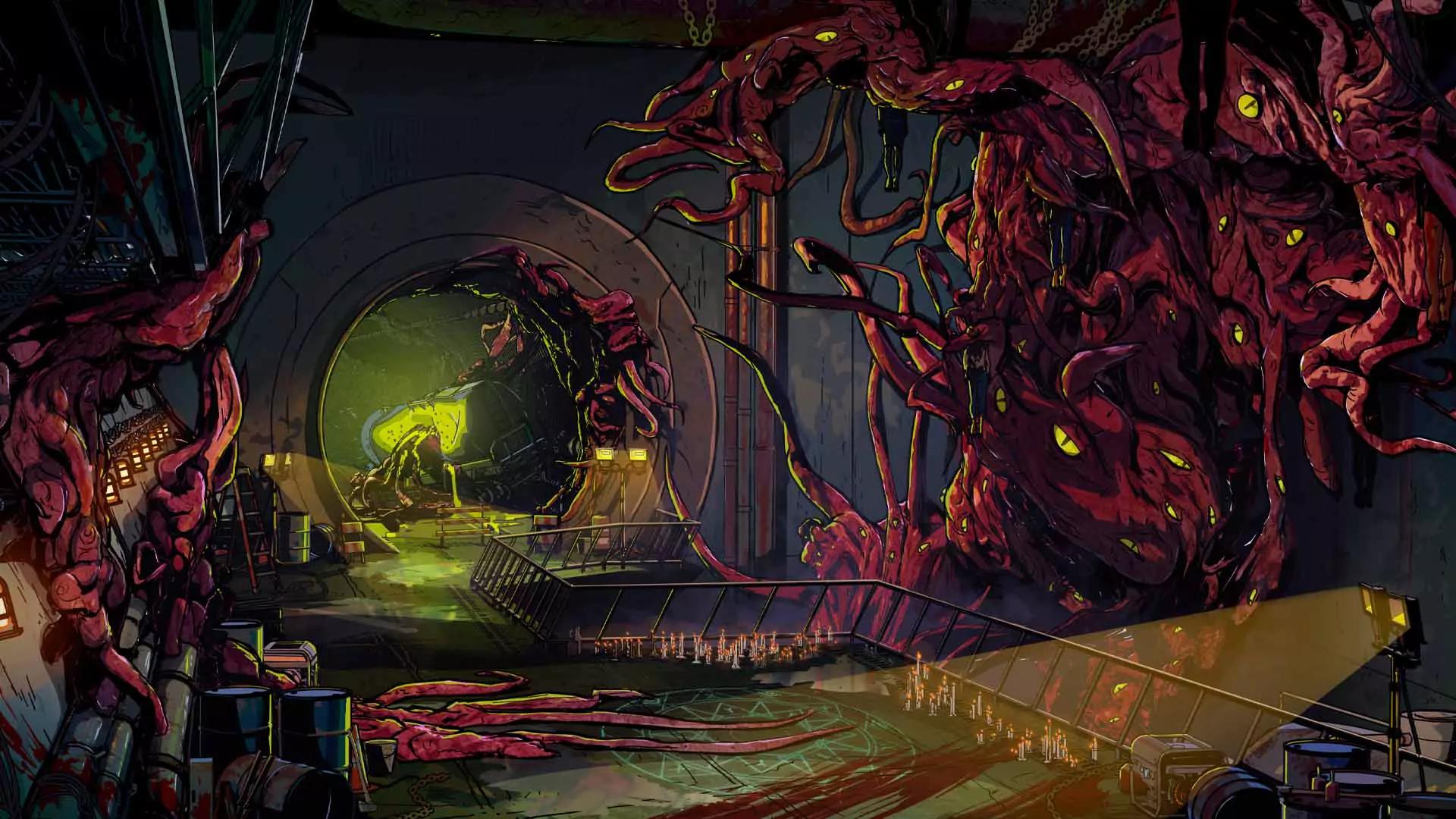
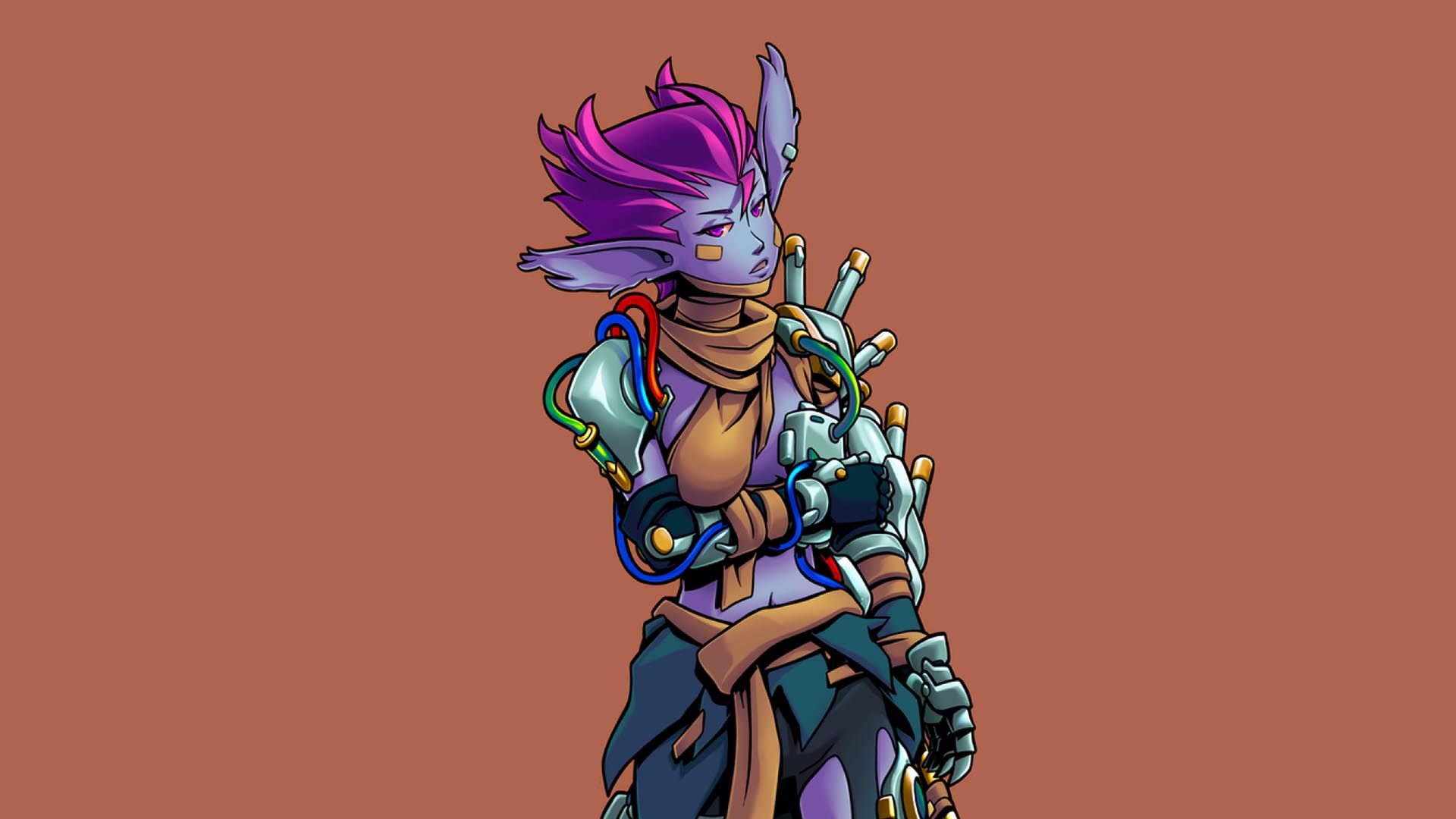
•Concept art, 3D characters, buildings, environments, set dressing, materials, and textures.
•Character and building animation, visual effects support, tech art, and shader solutions.
•Core RTS gameplay systems, including camera controls, AI behavior, grid and building mechanics, resource management, chat, and diplomacy.
•AWS-hosted backend infrastructure, backend game logic, and a custom server scheduler.
•Playable maps, terrain, biomes, world building, UX/UI, menus, HUDs, settings, minimaps, and world maps.
The scope matters because it shows what end-to-end co-development means in practice. It is not simply adding more people to a project. It is bringing the right capabilities into a workflow where the dependencies between art, systems, technical infrastructure, and player experience are understood and managed.
How Did Coloniser Approach Multiplayer Scale and Real-Time Stability?
Coloniser was designed to support up to 32 players in real time. For an RTS with persistent world activity, this means network traffic, game state, player actions, and system outcomes all need to remain responsive and consistent under load.
The engineering challenge was not simply to connect more players. It was to reduce unnecessary data movement, keep client and server behavior aligned, and protect the experience when many players were acting within the same world. The team evaluated multiplayer options and selected Photon Fusion as the networking solution for the project’s real-time, data-heavy requirements.
This is a useful lesson for multiplayer development. Scalability is not a number added at the end of production. It is an architectural decision shaped by the game’s pace, authority model, player interactions, world state, and the information that needs to remain reliable for everyone involved. Read more in our guide to building a scalable multiplayer game.
Why Were Long-Duration Matches a Design Challenge?
Matches that last 30 to 90 days create a different design problem from a session that resets in minutes or hours. Players need enough long-term ambition to make their decisions meaningful, while the game also needs to remain fair and strategically alive as the match evolves.
Coloniser’s systems had to support progression, resource flow, player interaction, diplomacy, and conflict across weeks of play. That required close attention to pacing and balance, especially for players joining later in the match. The challenge was to preserve competitive integrity without removing the value of early investment, planning, or strategic mastery.
This is where design and engineering need to work together. A progression decision affects the backend state. A server rule affects player behavior. A change to resource availability affects diplomacy and combat. Long-running multiplayer games need systems that are balanced as a whole, not one mechanic at a time.
How Did the Backend Support Persistent Worlds?
Magic Media engineered AWS-hosted infrastructure and backend systems that act as Coloniser’s central logic layer. The backend supports the persistent game world, including player states and the systems that need to remain consistent throughout long-running matches.
The project also included a custom server scheduler that can switch servers between Always On and On Demand states. This approach was designed to help manage infrastructure use while supporting the game’s extended session structure.
For persistent games, infrastructure is part of the player experience. If the world does not remain reliable, then strategy, progression, and player trust are all affected. The backend cannot be treated as distant support work. It is one of the systems that makes the game possible.
How Did Art, World Building, and UX Support the Strategy Experience?
A strategy game of this scale asks players to read a lot of information. They need to understand their settlement, resources, units, territory, risks, alliances, and long-term options without losing sight of the larger world. Art and UX are therefore not separate layers added at the end. They are part of how players make decisions.
Magic Media created visual content across characters, buildings, props, environments, terrain, biomes, and set dressing. The teams also delivered player-facing UX/UI including menus, settings, HUDs, minimaps, and world maps. This work helped turn a complex set of systems into an experience players could navigate and understand.
The best game interfaces do not make a complex game feel simple by removing its depth. They make depth readable. In Coloniser, the player needed to make informed decisions in a world that was persistent, competitive, and constantly changing.
What Does Coloniser Show About Effective Game Co-Development?
Coloniser shows that effective game co-development is not a collection of disconnected outsourcing tasks. It is a shared delivery model where teams understand the game’s goals, work within aligned tools and processes, and take ownership of clearly defined work that connects back to the whole product.
For a high complexity project, this integrated approach helps reduce the friction between disciplines. Designers can work with engineers on the consequences of a system. Artists can work with tech art on performance and readability. UX teams can make sure that complex functionality is understandable. Production can keep decisions, dependencies, and delivery moving in the same direction.
Cantos Games recognized Magic Media’s end-to-end execution across art, design, and development in the published case study. The broader lesson is clear: a co-development partner creates the most value when it helps a studio preserve its vision while increasing the project’s ability to execute.
Build ambitious games with a co-development team that integrates
Magic Media supports studios with connected expertise across game design, engineering, art, UX/UI, multiplayer, and production delivery.