






In short
Planning game production across multiple external teams requires a shared milestone plan, clear ownership of each deliverable, documented dependencies, and agreed standards for review and integration. Studios should establish how art, engineering, animation, design, and QA will work together before scaling production. Progress should be measured by work accepted into the game, with enough time reserved to test how those contributions behave together.
External development is an established part of game production. In its November 2026 State of the Game Industry report, GDC found that 45% of surveyed studio workers said their companies had hired co-development services for their most recent projects. That finding reflects the survey’s respondents, rather than a census of every studio, but it demonstrates how relevant external collaboration has become to production planning.
Working with several specialist teams creates an opportunity to bring the right expertise into a project at the right stage. It also introduces a demanding production responsibility: keeping every contribution aligned with the same game.
An environment can meet its visual brief while exceeding the scene’s memory budget. An animation can look convincing in isolation while failing to support the latest combat timing. A feature can pass its own tests while disrupting progression elsewhere.
Each team may have delivered what it understood was required. The production plan must account for what happens when that work comes together.
What Coloniser shows about connected game production
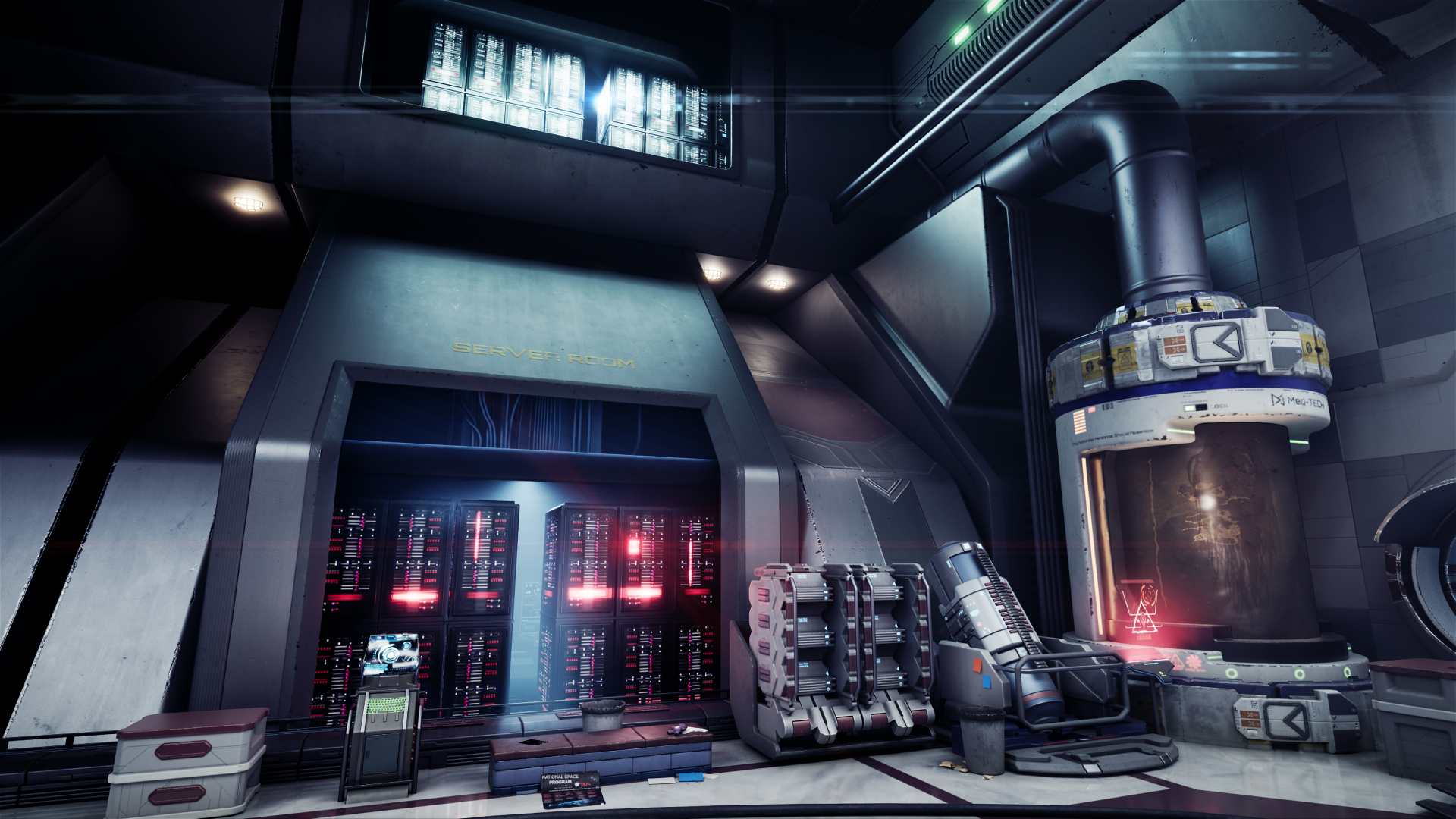
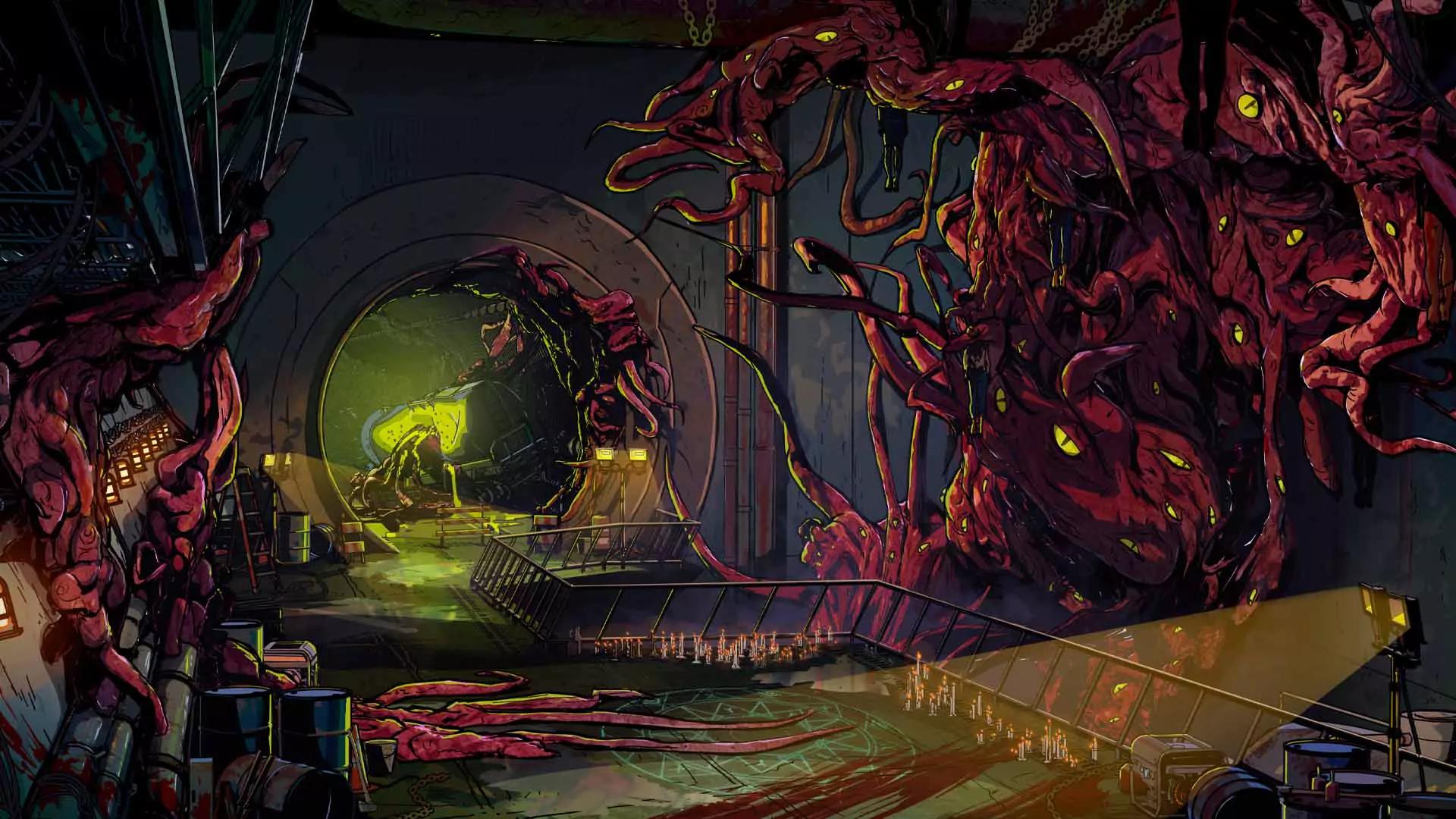
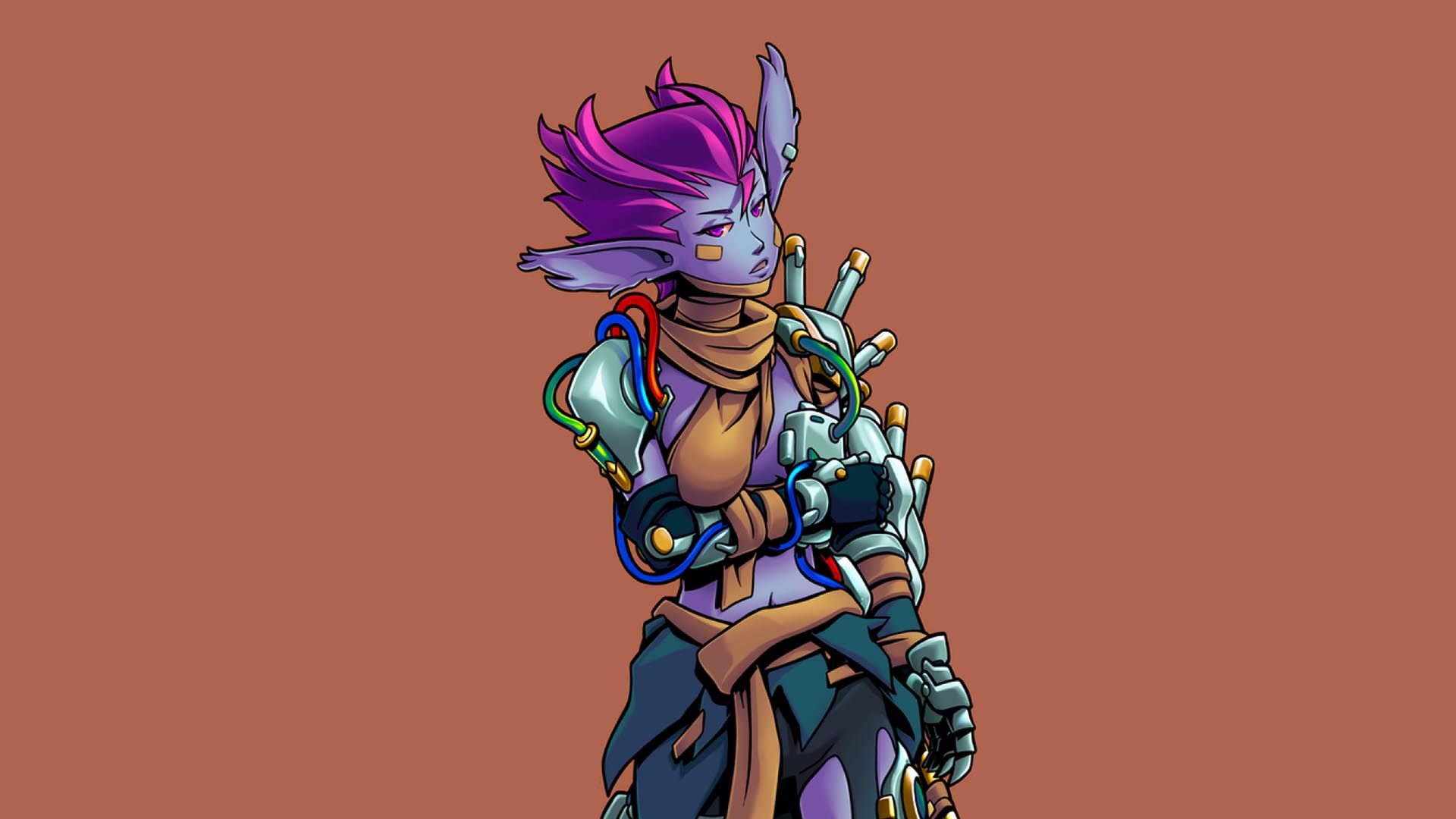
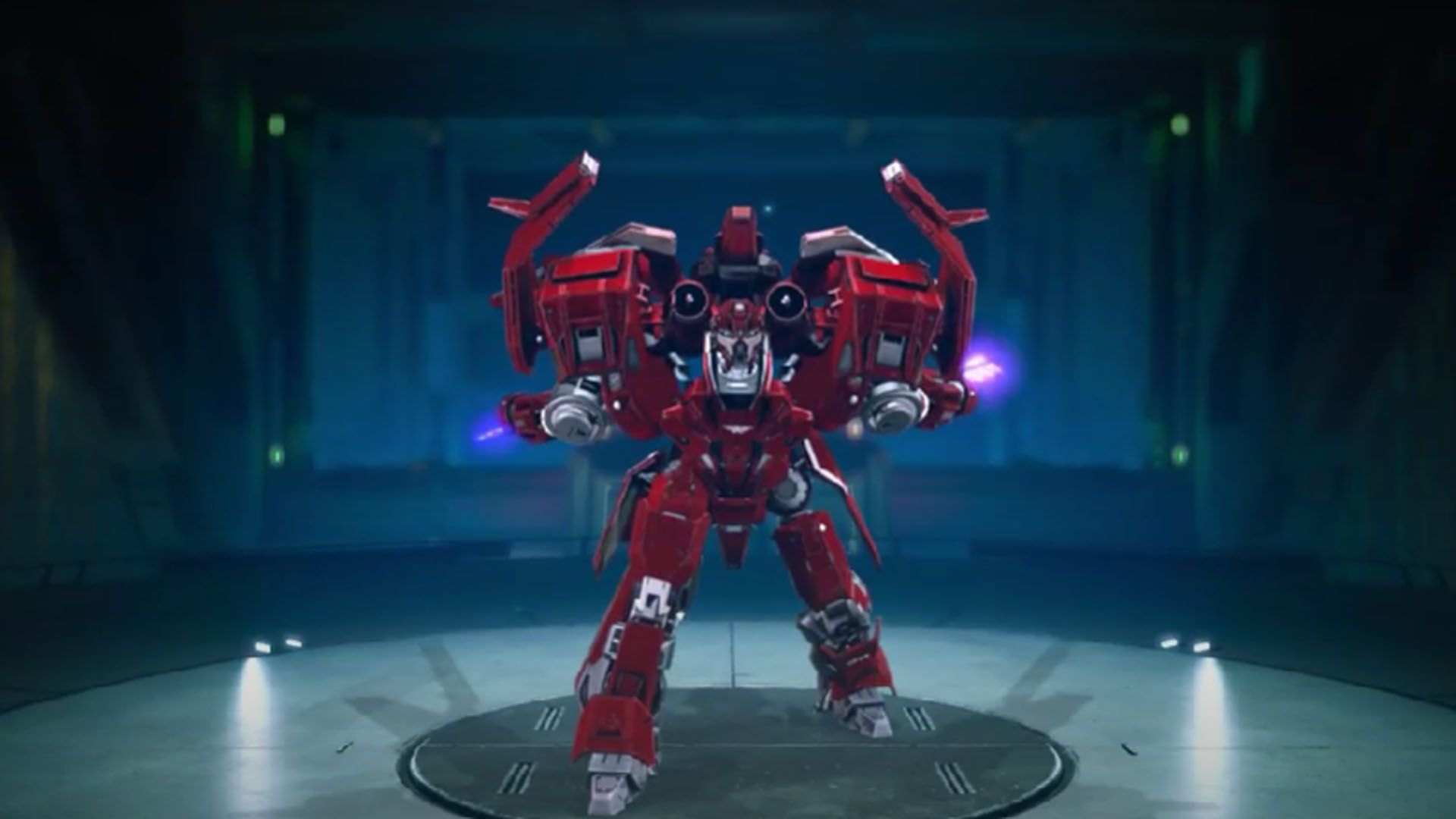
Magic Media’s Coloniser case study gives a concrete view of multidisciplinary co-development. Developed for Cantos Games using Unity for PC, the project required contributions across art, design, and engineering.
Our documented work included more than 22 unique 3D characters and more than 30 buildings, alongside concept art, animation, technical art, and VFX. We also implemented RTS gameplay systems, developed AWS-hosted backend infrastructure with a custom server scheduler, and created playable maps and the player-facing UX/UI.
The technical context matters. The case study describes matches designed for up to 32 players and persistent servers intended to support matches lasting 30 to 90 days. Those requirements connect gameplay, networking, progression, and infrastructure decisions.
For production planning, the lesson is to evaluate related deliverables together. A building is part of a larger interaction involving placement, resources, visual feedback, and game state. An individual asset review cannot establish whether that complete interaction works.
Our published co-development scope also shows how those contributions span several production responsibilities:
For art, animation, technical art, and VFX, the production plan needs to identify who reviews the combined result in its gameplay context. Core RTS systems also need clear dependencies, including the shared interfaces and design decisions that must be stable before connected work can progress.
Backend infrastructure and server scheduling introduce another responsibility: validating how gameplay and service behavior work together. Maps and UX/UI then need to be evaluated through player journeys that demonstrate whether those systems form a coherent experience.
These planning recommendations are an editorial framework for readers. The linked project records establish Magic Media’s contribution, rather than a prescribed workflow for every engagement.
How Do You Define Playable Milestones Across Multiple Game Development Teams?
A production plan should describe what players will be able to experience at each milestone, then identify the contributions required to make that experience work.
“Deliver the first enemy faction” leaves considerable room for interpretation. One team may understand it as approved character assets. Another may expect rigged models and animation sets. A producer may assume those enemies will already spawn, navigate, fight, react, and reward the player correctly.
A more useful milestone defines an observable outcome: the player can encounter the faction in a representative level, complete a combat sequence, receive the intended rewards, and continue without a blocking issue on the agreed target hardware.
That outcome gives every discipline a shared destination. Production can then work backward through the required systems, assets, decisions, and tests.
For each milestone, establish:
- The playable experience being delivered.
- The target platform and representative test conditions.
- The contributing teams and accountable leads.
- The dependencies that must be available first.
- The evidence required for acceptance.
- The person authorized to accept the result.
This approach complements a structured game co-development workflow by making the relationship between individual deliveries and the overall milestone explicit.
How Do You Assign Work and Ownership Across External Game Development Teams?
Assign work around deliverables with clear boundaries, agreed inputs, and a named owner responsible for how the finished feature works in the game. Each contributing team should understand what it produces, who approves it, and how its work reaches the shared build. Dividing production by discipline provides a useful starting point, but it can leave gaps where art, animation, engineering, and design meet.
Consider a building in a strategy game. The model can be approved while placement rules remain unresolved, construction feedback is missing, or the interface displays the wrong resource cost. Every team may have completed its assigned tasks, yet the player still cannot place and construct the building successfully. The production plan needs to make that complete player action someone’s responsibility, with acceptance criteria covering the connections between its components.
The breadth of Magic Media’s contributions to Coloniser, spanning art, animation, gameplay development, and UX/UI, makes these connections particularly relevant. The building example is illustrative rather than an account of the project’s internal workflow. Its practical lesson is that delivering several disciplines requires explicit ownership of the places where their work comes together.
For each shared feature, appoint an owner who can see the dependencies, coordinate integration, and bring unresolved decisions to the appropriate lead. This person does not need to manage every specialist or approve every asset. They need responsibility for checking that individually approved contributions form a working feature, supported by clear authority to escalate problems when teams cannot resolve them independently.
An enemy encounter shows how this works in practice. Before character production scales, the art team needs approved proportions, rig requirements, and technical constraints. The character art lead reviews the asset against those requirements in the target engine. Animation then depends on a stable skeleton and agreed combat timing, with transitions assessed in the gameplay context where they will be used. Engineering connects behavior, animation events, collision, and damage rules so that the encounter functions in the shared build.
These responsibilities also need to cover changes between disciplines. If an attack animation is extended after gameplay timing has been approved, someone must assess its effect on hit detection, player reaction time, and encounter balance. The animation may still meet its individual quality requirements while changing how the enemy plays. Recording that dependency makes the required follow-up visible before the change reaches other teams.
QA validates the integrated encounter against agreed test conditions and records findings against a specific build. When an issue crosses disciplines, the feature owner coordinates its resolution and confirms who will verify the fix. A bug involving animation timing and damage should have a clear route to resolution without teams having to debate ownership each time it appears.
The exact roles will vary by project, but the plan should always distinguish who creates the work, who accepts it, and who owns the integrated result. That clarity gives specialists room to make decisions within their remit while keeping the complete player experience accountable to someone.
How Do You Map Dependencies Across Game Development Teams Before Setting Deadlines?
Effective external game development planning starts with understanding how tasks, technical requirements, and production decisions connect across teams. Before establishing deadlines, studios should identify which deliverables depend on other assets, systems, or approvals, who is responsible for providing them, and when those inputs must become available. For example, a character team may be ready to begin production before the skeleton is approved, while a UI team may finalize layouts despite ongoing changes to the underlying data model. A porting team may also receive a functional build that lacks the representative content required for meaningful performance testing. Although these situations involve different disciplines, they expose the same planning weakness: production has been scheduled without confirming that critical inputs are available and sufficiently stable. In complex game co-development projects, identifying these dependencies early helps internal and external teams coordinate responsibilities, anticipate potential delays, and avoid unnecessary revisions as production scales.
Dependency mapping should be specific enough to support production decisions rather than relying on broad descriptions such as waiting for engineering or pending art approval. Identifying the approved inventory event interface as a prerequisite for implementing item comparison gives producers a clear requirement to track, prioritize, and escalate. Each critical dependency should also have a latest acceptable delivery date, allowing teams to distinguish unfinished work that remains within schedule tolerance from missing inputs that threaten downstream milestones. However, not every requirement needs to be finalized at the same stage.
Placeholder textures may be sufficient during early gameplay reviews, while frequent skeleton changes after animation production has scaled can create substantial rework across rigging, animation, and implementation. By identifying which decisions must remain stable and which can evolve without disrupting dependent work, studios can establish more realistic schedules, allocate resources effectively, and reduce the risk of cross-team dependencies becoming production bottlenecks.
How Do You Validate a Shared Production Pipeline Before Scaling Up?
Before increasing production volume, take one representative asset or feature through the complete delivery process. This first delivery should test more than creative quality. It should demonstrate that the external team can access the required systems, follow project conventions, submit work, receive feedback, make revisions, and reach acceptance in the shared build.
Choose something that exposes the real workflow. A simple decorative prop may prove very little if the upcoming work consists of interactive objects with animation, collision, and gameplay dependencies. The onboarding package should establish engine and plugin versions, source control access, directory structure, naming rules, technical budgets, review expectations, and escalation contacts. Provide approved examples where possible. An example asset that works in the project can resolve questions that several pages of instructions leave open.
For Unreal projects, Epic’s recommended asset naming conventions provide a useful reference for organizing asset names. Teams still need to agree which conventions apply to their particular project and implement them consistently. The first delivery also tests the receiving studio. If reviewers cannot access the submission, provide consistent feedback, or make an acceptance decision, expanding the external team will increase the backlog.
What Does Generation Zero Reveal About Embedded Game Co-Development?
Magic Media's work on Generation Zero demonstrates how external development partnerships can evolve from traditional outsourcing into integrated co-development. As detailed in our Generation Zero co-development case study, the collaboration began through our partners at Ringtail Studios as an art outsourcing engagement with the Avalanche team before developing into a closer production relationship. Rather than operating as a separate delivery team, Magic Media artists became part of the client's established workflows, participated in internal meetings, and reported directly to senior client staff. This approach brought external specialists closer to the creative and technical decisions shaping the game, allowing collaboration to extend beyond completing predefined asset packages.
The difference becomes particularly clear in the project's weapon development work. Instead of receiving finalized concept art and producing a corresponding 3D asset, Magic Media artists could contribute to the creative process itself, exploring how a weapon should look and function before developing the concept into a finished model. This illustrates an important advantage of embedded co-development: specialists can contribute expertise while requirements are still evolving rather than working exclusively from instructions established in advance. However, this model also requires stronger coordination, direct access to relevant decision makers, and clear ownership of creative approval.
Why Should Game Studios Plan for Review and Integration Capacity in External Development?
One of the most overlooked constraints in external game development is the receiving studio's capacity to review, approve, and integrate incoming work. Expanding external production resources may increase the volume of completed assets or engineering contributions, but additional capacity creates little value if internal teams cannot process deliveries at a comparable rate. A studio might commission hundreds of environment assets across multiple external partners while relying on a small group of art leads to assess visual quality and technical compliance. Similarly, additional engineers may increase development output without accelerating progress if internal technical leads lack the time to review code, evaluate dependencies, and approve integration. This creates a production imbalance where delivered work accumulates faster than it can be accepted, making review capacity a critical consideration in game co-development planning.
Avoiding these bottlenecks requires studios to treat review and integration as scheduled production activities rather than secondary administrative responsibilities. Every substantial deliverable should have an accountable reviewer, an agreed response window, and sufficient time allocated for revisions. If three external teams submit major deliveries on Friday afternoon and a single discipline lead must evaluate everything, delays become inevitable. Staggering submissions, distributing review responsibilities, and introducing intermediate approval checkpoints can improve throughput more effectively than adding external contributors. Studios should also establish backup decision makers and clear escalation procedures to prevent absences or conflicting priorities from disrupting production. Feedback must remain consistent, with internal stakeholders resolving disagreements before communicating consolidated instructions to external teams.
Producers should measure the effectiveness of this process by tracking review turnaround times, revision frequency, approval backlogs, and the proportion of submitted work that successfully reaches integration. These indicators provide a more accurate understanding of production performance than delivery volume alone, helping studios distinguish external execution problems from internal approval constraints. A high revision rate, for example, may indicate unclear specifications or conflicting feedback rather than poor-quality work from the contributing team. By monitoring these patterns and adjusting review resources accordingly, studios can reduce unnecessary rework and maintain more predictable milestone schedules. Ultimately, external development capacity should be measured by how much validated work reaches the game, not how much work partners deliver. Studios that scale production without scaling their ability to review and integrate it risk increasing costs and complexity without accelerating development.
Why Is Early Integration Essential for Successful Game Co-Development?
Integration is a significant source of technical risk in distributed game development because contributions that work correctly in isolation may behave differently within the shared project. Gameplay systems interact with animation, physics, networking, and existing game logic, while art assets depend on established materials, lighting configurations, and performance requirements. These dependencies make regular integration essential for identifying problems before they affect wider production.
When integration is postponed until a major milestone, incompatibilities can remain undetected across several production cycles. A gameplay feature may introduce regressions when combined with existing systems, while an environment that meets visual requirements may create unexpected performance problems in the playable build. Discovering these issues late reduces the time available for investigation and can force teams to revisit previously approved work.
A more reliable approach establishes integration checkpoints throughout production, with their frequency determined by technical dependencies and project stability. Engineering contributions may require frequent merges, automated builds, and targeted regression testing. Environment production may benefit from incremental asset integration and scheduled in-engine validation, ensuring that problems are identified while the relevant work is still in progress.
The source control strategy should establish how external changes enter the shared project, who owns critical files, and how conflicting modifications are resolved. Teams also need clear responsibility for restoring stability when a submission introduces a regression. These decisions should be part of production planning rather than improvised when integration problems begin affecting delivery.
Epic Games' One File Per Actor system provides an example of how development tools can reduce collaboration friction. By storing actor instance data in separate files, Unreal Engine reduces contention when multiple contributors work within the same level. However, this does not eliminate the need for coordinated ownership of shared materials, blueprints, gameplay systems, and other interconnected resources.
Build reliability must also be treated as a shared production responsibility. Every integration should be traceable to its originating changes and validation results, allowing developers to investigate regressions without relying on fragmented communication. Automated compilation checks, asset validation, and functional testing can help identify problems before they disrupt other teams.
Where multiple external partners contribute simultaneously, game development DevOps becomes an important part of maintaining reliable delivery pipelines. Build automation, continuous integration, and structured validation workflows give distributed teams a consistent view of project stability. The objective is not simply to merge work more frequently, but to identify technical problems early enough to prevent them from affecting subsequent development.
Why Are Clear Acceptance Criteria Essential in External Game Development?
Clear acceptance criteria establish a shared understanding of what a deliverable must achieve before it can be considered suitable for production. Without these standards, internal and external teams may interpret completion differently, creating disagreements after substantial work has already been delivered. Defining requirements early reduces uncertainty and helps prevent avoidable revisions.
An environment artist may consider an asset complete when it matches the approved visual reference, while the receiving studio may also require compliance with geometry budgets, collision requirements, material standards, and performance limits. Similarly, an external engineering team may deliver a gameplay feature that meets its functional specification but introduces compatibility issues with existing systems. These problems often reflect requirements that were not sufficiently defined before production began.
Acceptance should also distinguish between different stages of production readiness rather than relying on a single completed status. An asset may be ready for review, approved by its art lead, technically validated, integrated into the shared project, or tested within its intended gameplay environment. Each stage represents a different level of confidence and should be reflected accurately in production reporting.
Visual approval does not necessarily mean an asset meets technical requirements, just as merging an engineering contribution does not confirm that it has passed regression testing. Maintaining these distinctions prevents project dashboards from presenting an overly optimistic picture of milestone completion. This becomes particularly important when multiple external teams contribute interconnected content that must function together in the playable build.
Repeatable technical checks can strengthen acceptance by identifying predictable issues before they consume specialist review time. Unreal Engine's Data Validation system allows developers to evaluate assets against configurable rules and execute validation through command-line workflows. Studios can use these capabilities to enforce appropriate project requirements, including naming standards, asset configuration, and required properties.
However, automated validation cannot replace experienced artistic and technical judgment. Visual consistency, gameplay feel, creative quality, and contextual suitability still require assessment by specialists who understand the project's objectives. Effective acceptance processes combine measurable technical standards with clear review ownership, documented decisions, and defined revision responsibilities.
Establishing these expectations before production begins gives external teams a consistent standard to work toward. It also provides producers with a more reliable understanding of milestone readiness and reduces the risk of unresolved requirements becoming expensive late-stage revisions.
Why Should QA Be Involved Early in Game Development Planning?
Game QA testing should help shape the evidence required for a milestone before deliveries arrive.
QA can identify scenarios that individual production teams may not see from their own scope. A new enemy affects more than combat behavior. It may interact with checkpoints, save data, navigation, difficulty settings, accessibility options, and platform performance.
Involving QA early helps producers schedule testable builds and identify missing dependencies. It also allows teams to agree how issues will be reproduced, assigned, and retested across organizational boundaries.
A useful defect report should identify the build, environment, reproduction steps, expected behavior, actual behavior, and supporting evidence. Where several teams contribute to the affected feature, assign an initial investigation owner rather than letting the report circulate between suppliers.
Magic Media Perspective
A shared feature needs a shared route to resolution. The player experiences the combined result, so production must make it clear who investigates when that result fails, even before the underlying cause is known.
How Can Game Studios Manage Changes Across Internal and External Development Teams?
A change made by one team can affect work across the entire production. In game co-development, increasing an enemy’s size may begin as a character art request, but it can also affect animation, collision, camera framing, navigation, VFX placement, and encounter balance. Before the revised instruction becomes a production commitment, identify which deliverables depend on it, whether previously approved work needs to be reopened, and which teams will need updated inputs. This gives decision makers a clear picture of the benefit alongside the additional work, testing, and schedule implications.
Once a change is approved, record it alongside the relevant tasks so every team can see what changed, why it changed, who approved it, and which instructions it replaces. Make responsibility for communicating the update explicit, and confirm that affected teams have received it before dependent work continues. This matters particularly across time zones, where a decision made in one team’s afternoon meeting can leave another team spending its next working day following an outdated brief.
AI tools can help summarize discussions or organize production information where their use is approved, but a responsible team member should verify the decisions, owners, and dates before sharing the output. The approved project record should remain the reference everyone works from, with summaries helping teams find and understand decisions rather than creating another set of instructions to reconcile.
How Can Game Studios Measure Accepted Work and Production Progress?
A useful production dashboard shows whether contributions are moving reliably from assignment through review, integration, and validation. Start with time waiting for review. If submissions repeatedly sit untouched, approval capacity may be restricting delivery. Compare this with first review acceptance rates to understand whether briefs and quality expectations are clear. Together, these measures help distinguish work that needs improvement from work that simply needs a decision.
Blocked dependencies and the time between acceptance and integration reveal whether teams have the inputs they need and whether approved work is actually reaching the game. A growing queue of accepted assets or features can signal an integration bottleneck even when individual teams appear to be on schedule. Reopened work deserves separate attention because it can expose gaps in requirements, feedback, or game QA testing. Tracking changes to milestone forecasts also helps producers assess whether estimates are becoming more dependable as production progresses.
Interpret these measures together before drawing conclusions about team performance. A low acceptance rate may reflect an unclear brief or conflicting feedback, while fast task completion may conceal work accumulating outside the shared build. Use the dashboard to identify where delivery is slowing, understand the cause with the teams involved, and assign responsibility for resolving it.
How Can Game Studios Ensure Effective Knowledge Transfer and Long-Term Ownership in External Development?
An external team’s final delivery should leave the project maintainable by the people who will support it next. Agree on documentation, source file delivery, known issue records, setup instructions, and support responsibilities before the engagement ends. For engineering work, establish who will maintain each system and what they need to build, test, and troubleshoot it. For art and animation, preserve editable source material and the production settings needed to make future changes.
A handover review should confirm that the receiving team can use what has been delivered. Ask them to complete a representative task, such as rebuilding a feature, updating an asset, or reproducing a known issue, using the supplied files and instructions. This makes missing access, undocumented dependencies, and setup assumptions visible while the external team is still available to resolve them.
Magic Media’s work on Coloniser and the art collaboration described in our Generation Zero article provide two useful reference points when assessing an external production partner: the scope of its contributions and how its specialists work within a wider production. Ask prospective partners to explain both, alongside their approach to handover and ongoing ownership. A dependable production plan gives each specialist team room to do strong work while keeping decisions, integration, and the player experience connected.
Build Your Production Plan With Magic Media
Bringing external teams into your project starts with understanding what needs to be delivered, which expertise is required, and how that work will fit your existing production.
Explore our Coloniser case study and Generation Zero collaboration to see the scope behind our experience. Our game co-development services can support a defined workstream or a broader multidisciplinary contribution, aligned to your technology and production requirements.
Whether you need a specialist team for a defined feature or broader support across art, engineering, and QA, talk to us about your next milestone and the production challenges behind it.
Talk to Magic Media About Your Project →Game Production Planning FAQs for Studios Working With External Teams
How do you plan game production across multiple external teams?
Start with what the player should be able to do in the next build. For each playable feature, identify the teams contributing to it, the inputs they need, the person responsible for integration, and the lead who can approve the result. Use those dependencies to set the production schedule.
How should a studio divide work between external game development teams?
Group tasks around a feature the team can test in the game. For example, delivering a usable building in a strategy game involves its model, placement rules, resource cost, and construction feedback. Different teams can own those parts, but one lead should own the complete building interaction.
What should a game co-development milestone include?
A milestone should specify the playable outcome, target platform, test conditions, and evidence needed for approval. “The player can select, place, and construct a building in the target build” gives art, engineering, and QA a shared test. Name the person authorized to sign off so everyone knows who makes the final call.
How do you validate a shared production pipeline before scaling up?
Take one representative asset or feature through the full process, from brief and source files to engine integration, QA, and approval. Test it on the target platform under the conditions you expect in production. Resolve issues with file formats, build access, performance, or review ownership before assigning the next batch.
When should a studio choose embedded co-development over asset outsourcing?
Choose embedded co-development when external specialists need to help shape a feature while its requirements are still evolving. On Generation Zero, Magic Media artists contributed to weapon concepts before developing the finished models. Asset outsourcing is a better fit when the studio has already approved the concept and can specify the deliverable and acceptance criteria up front.
How can a producer spot a milestone at risk before a team misses a deadline?
Track overdue decisions and missing inputs alongside delivery dates. An animation task can appear on schedule even while the team is waiting for rig approval. For each dependency, record who owns it, when the next team needs it, and which playable feature will be affected by a delay.