




The gaming industry has grown into one of the most dynamic sectors in entertainment. Modern games combine technology, art, storytelling, and behavioral design to create experiences played by millions around the world. Behind every successful title is a multidisciplinary team of artists, designers, engineers, and producers working together to build immersive worlds.
Women are an important part of that ecosystem. Across game art, design, and development, women contribute creative leadership, technical expertise, and strategic thinking that shape how modern games are made. Their work influences everything from character design and world building to gameplay systems and player engagement.
As gaming audiences continue to grow and diversify, studios increasingly recognize the value of inclusive teams that bring a range of perspectives to the development process.
Why Women in Game Development Matter
Game development is collaborative by nature. Artists define visual identity, designers shape player experiences, and engineers ensure the technology works reliably across platforms. Women contribute across each of these disciplines, yet they still represent only about 25% of the games workforce, even though they make up roughly 47% of players in the United States.
Their presence expands how teams approach storytelling, character development, accessibility, and player engagement. Diverse teams often produce stronger creative outcomes because they bring multiple perspectives and design for a broader audience.
Gaming is no longer a niche hobby. It is a global form of entertainment enjoyed by people of all ages and backgrounds. Development teams that reflect that diversity are better positioned to create experiences that resonate with players worldwide.
Women in Game Art: Environment and World Building
At Magic Media, Kim Lyons leads visual direction as Executive Director of Art. With more than two decades in the industry, she brings the kind of experience that keeps game art creatively ambitious while staying grounded in production reality.
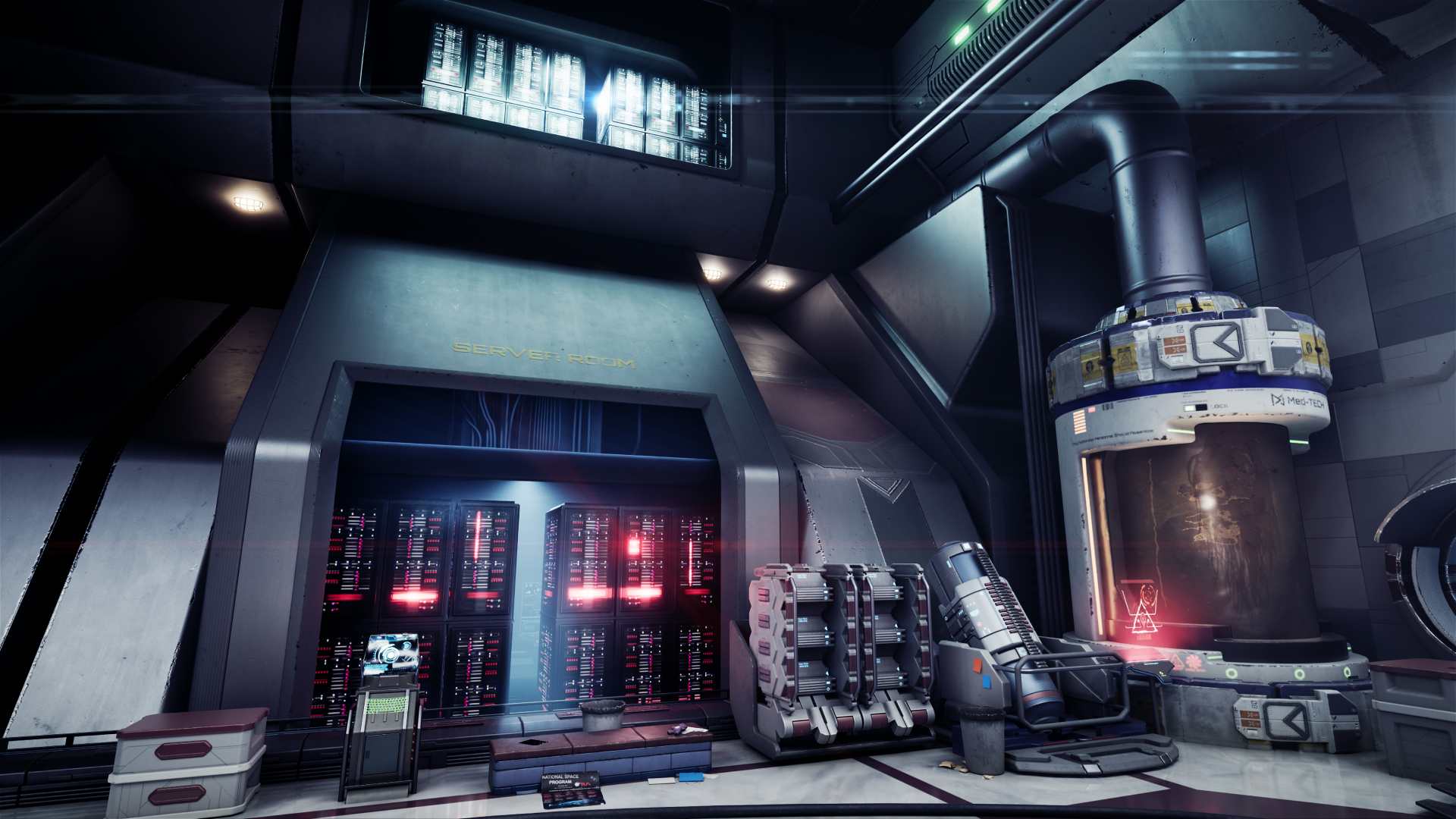
Kim’s background in 3D environment art and art direction reflects what game art really demands today. It is not just about style. It is about building worlds that support gameplay, guide the player, and hold up under technical constraints. Strong environment work requires a balance of composition, scale, material definition, mood, readability, and performance, all while fitting within engine requirements and production pipelines.
She breaks down that process on “The Magic Media Podcast” in episodes like Developing Art for Video Games with Kim Lyons. She talks through how environments move from early exploration and reference gathering to blockouts, modeling, texturing, lighting, and final in-engine implementation. The key takeaway is simple: strong art direction comes from creative leadership backed by technical discipline.
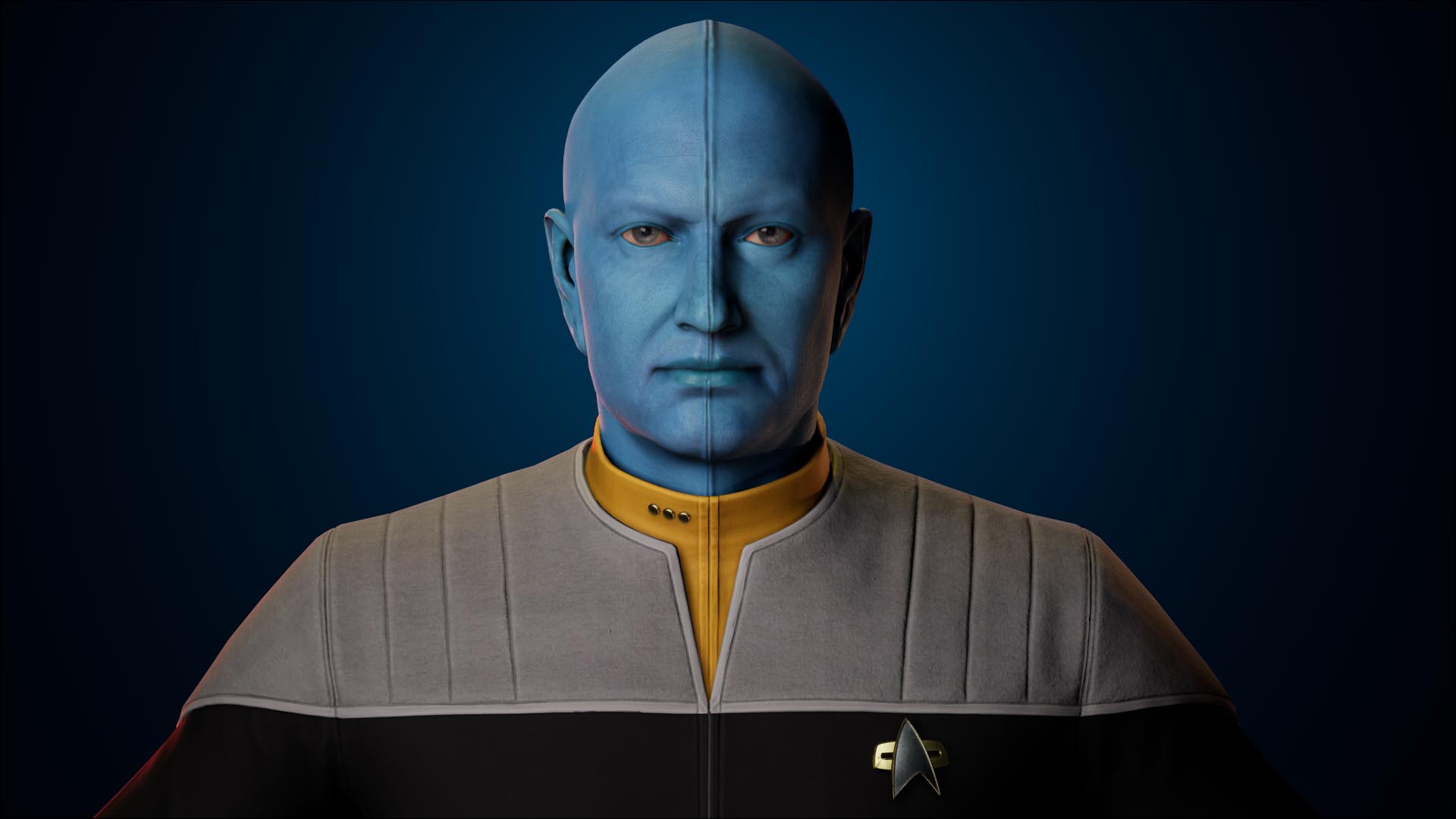
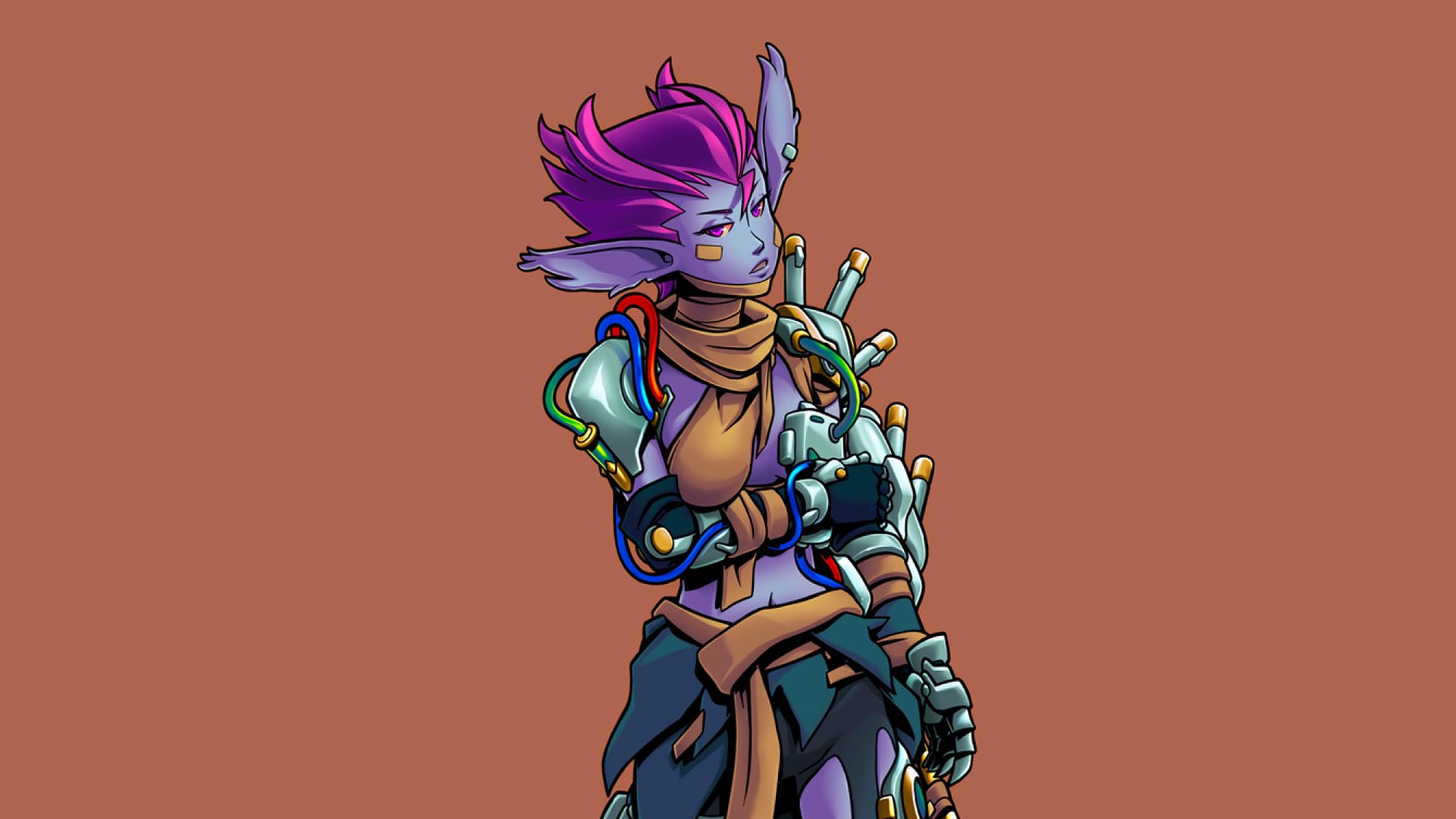
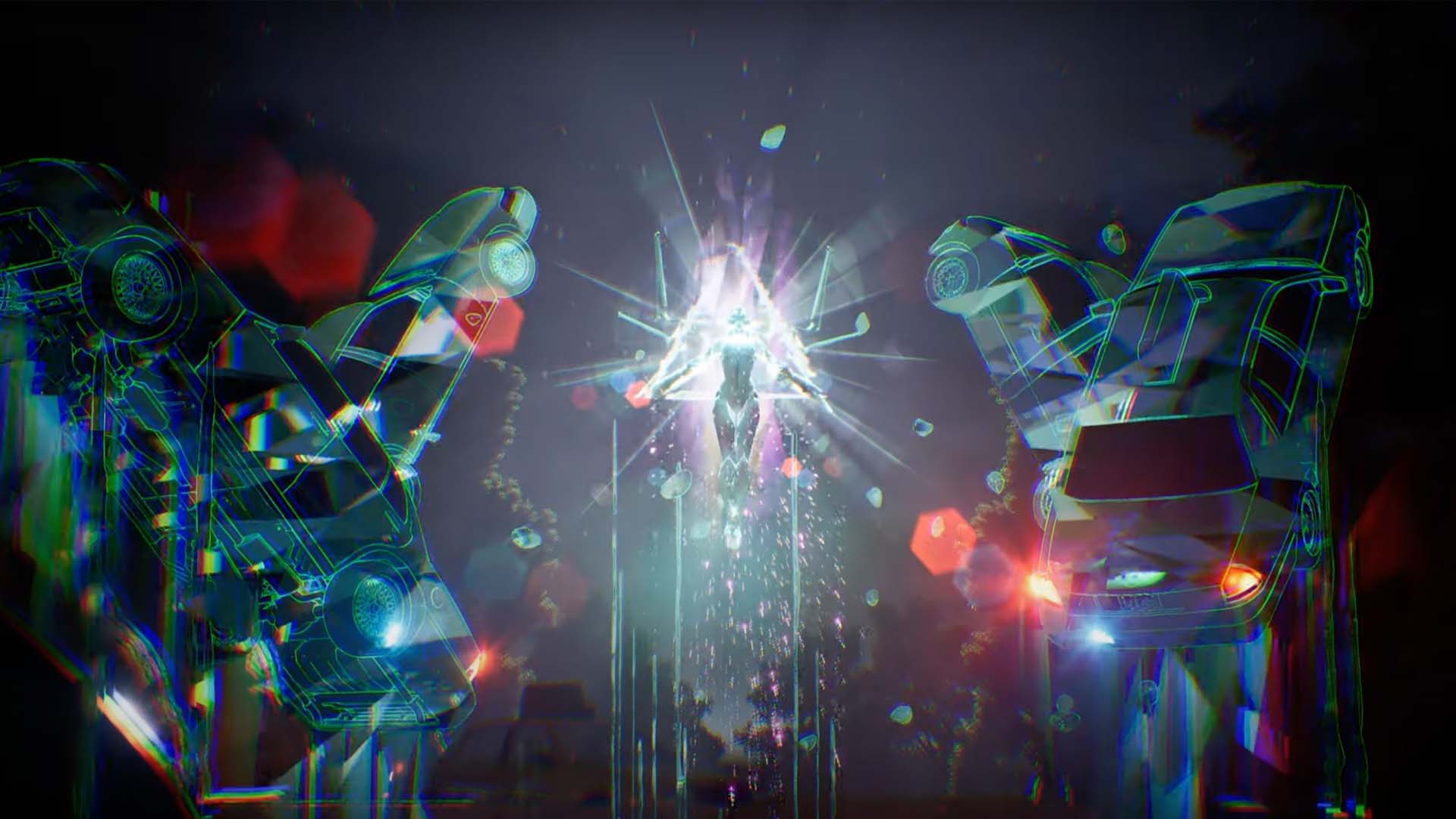
Game art establishes the visual language of a game. Before players engage with mechanics or narrative, the world itself sets tone, atmosphere, and emotional context. Across the pipeline, artists contribute through concept art and visual development, 3D environment modeling and world building, lighting and visual effects, set dressing and scene composition, and user interface design.
Environmental storytelling is a major part of that work. Posters, graffiti, clutter, decay, and other visual details can communicate history, tension, and social context without relying on dialogue. Through art direction, these elements help make game worlds feel believable, memorable, and emotionally grounded.
Together, these elements shape how players understand and connect with the world. Strong art leadership keeps every asset aligned to a clear visual direction while making sure the work also meets real production needs.
Women in Game Design: Shaping Player Experience
While artists shape the look and feel of a game, designers shape the experience. They decide what players do, how the game responds, and why a moment feels satisfying or frustrating. Game design is the structure behind the fun. It is the mechanics, progression, pacing, and feedback that turn a beautiful world into something players actually want to live in. Magic Media’s own overview of the role of design in development makes the same point clearly, strong design is what turns systems into meaningful player experience.
At a deeper level, design is about building meaningful choices. Every system is asking the player to decide, explore, commit, take a risk, try again, or walk away. The designer’s job is to make those decisions feel fair and worth it. That means creating tension without tipping into frustration, giving players agency without drowning them in complexity, and shaping loops that stay rewarding long after the novelty wears off. Great design is rarely loud. It is consistent, intentional, and disciplined, and it earns player trust over time.
Key areas of game design include
Key areas of game design include gameplay mechanics and systems, level design and pacing, player progression and reward structures, narrative integration, and user experience design.
Good design balances challenge and reward. Players need enough friction to feel achievement, but not so much pressure that they check out. Too easy and the experience feels empty. Too punishing and it feels unfair. The best games land in that space where learning feels rewarding and mastery feels earned. Magic Media’s level design service emphasizes adapting design approaches across genres and project scopes, while its UI/UX article frames interface design as a core part of making games intuitive and enjoyable to use.
Women working in game design often excel in that balance because strong design depends on empathy and precision. It requires understanding how different players learn, what motivates them, and where confusion turns into frustration. That player-focused thinking leads to clearer onboarding, smarter pacing, stronger accessibility, and systems that feel fair across a wider range of play styles.
As the industry expands globally, designers who can read player behavior, build for diverse audiences, and make complex systems feel intuitive are becoming some of the most valuable people in the room.
The Technical Side of Game Development
Behind every successful game is a complex technical foundation. While artists build visual worlds and designers shape the player experience, engineers and technical specialists ensure that those ideas function reliably across platforms.
Gameplay programmers implement mechanics, movement systems, and player interactions. Engine developers expand and optimize tools such as Unreal Engine and Unity, making sure performance, rendering, and physics systems operate efficiently. Technical artists bridge the gap between art and engineering by building shaders, tools, and pipelines that allow visual assets to integrate smoothly into the game.
Technical teams also focus heavily on performance optimization, memory management, and platform compatibility. A feature that looks great during development must still run consistently across different hardware, frame rates, and network conditions. Achieving that balance requires constant testing, iteration, and problem solving throughout production.
Women are contributing across these technical roles as programmers, technical artists, tools engineers, and technical directors. Their work supports the entire development pipeline and ensures that creative ideas from art and design translate into stable, fully playable experiences.
As games grow more complex and technology continues to evolve, the technical side of development becomes even more critical. Teams that combine strong engineering with creative collaboration are the ones that successfully bring ambitious game worlds to life.
The Psychology of Game Development
At its core, game development is an exercise in psychology. Every mechanic, reward system, and progression path is designed around how people think, react, and make decisions while playing. Developers are not only building systems. They are shaping emotional responses, from curiosity and tension to satisfaction, relief, and anticipation.
Great games understand player behavior. Designers analyze how players interact with systems to understand what keeps them engaged. Why does a player try one more time after failing a level? Why does a reward feel satisfying in one game but meaningless in another? Why do some systems keep players invested for hundreds of hours while others lose attention quickly?
The answers often come down to decision making. Every mechanic presents a choice. Do you explore or move forward? Do you risk a difficult fight for better rewards? Do you conserve resources or push ahead? Designers study how players respond to these decisions and adjust systems to keep the experience challenging but fair.
To achieve this, development teams build systems around several psychological principles, including risk versus reward balance, progression pacing, player motivation and retention, competitive pressure in multiplayer environments, and social dynamics within gaming communities.
One of the most important concepts in game design is loss aversion. Players tend to feel the impact of losses more strongly than gains. If failure is too punishing, frustration builds quickly, even when rewards are strong. Successful games create tension while still maintaining a sense of fairness and forward momentum.
Balancing that tension requires constant iteration. Designers test mechanics repeatedly, observe player behavior, and refine systems until they feel right. The process is rarely linear. A small change to difficulty, rewards, or progression can completely shift how players behave.
This is why game design is as much about psychology as it is about mechanics. If a system becomes too predictable, players lose interest. If it feels random or unfair, trust breaks down. The goal is to create experiences where decisions feel meaningful and outcomes feel earned through skill, strategy, and learning.
This becomes even more important in competitive and multiplayer games, where designers must consider different play styles, shifting balance, and the long term health of the overall system. The strongest games reward thoughtful decision making and give players a reason to keep improving.
Understanding this psychological layer is what separates functional design from great design. When systems are tuned well, players feel challenged but not punished, curious rather than confused, and motivated to keep going.
Art direction also plays a role in player psychology. Visual cues shape how players interpret a world before gameplay fully begins. Composition, lighting, color, scale, and environmental detail all communicate tone, tension, and narrative context.
Leaders like Kim Lyons at Magic Media consider these visual signals when guiding environment and world development. Environmental storytelling is a key part of that process. Posters, graffiti, clutter, or visible decay can communicate history, social context, and mood without relying on dialogue. Through art direction, these details help make game worlds feel believable, memorable, and emotionally grounded.
In modern game development, understanding player psychology is not optional. It is central to building experiences that players return to again and again.
Why Women Make Strong Leaders in Game Development
Leadership in game development requires more than technical skill. It demands the ability to guide teams through complex creative challenges, make decisions under pressure, and keep people aligned through long development cycles.
Many of the qualities associated with strong leadership are consistently demonstrated by women across the industry, including strong communication, emotional intelligence, strategic thinking, adaptability, and the ability to balance creative vision with practical constraints.
Game development projects can last for years. Teams must constantly iterate, refine ideas, and solve unexpected problems. Leaders who stay calm under pressure and encourage open collaboration help teams remain focused and productive.
Women in leadership roles across studios often help create environments where communication flows easily and ideas develop through discussion rather than hierarchy alone. That kind of leadership strengthens both the work and the team behind it.
There is also value in leadership styles shaped by patience, risk assessment, and composure under pressure. As explored in the TEDxChicago talk How The Power of Poker Is Changing the Game for Women, the discussion highlights the importance of confidence, adaptability, and making decisions without perfect information. These qualities contribute directly to better games, healthier development teams, and stronger long term creative results.
The presence of women in game development continues to grow. Educational programs focused on game art, programming, and design are attracting more diverse talent. Online learning platforms and mentorship initiatives are helping emerging developers gain the skills needed to enter the industry. Independent game development has also created new opportunities for creators to build projects and share their work globally. As the industry continues to expand, women will play an increasingly important role in shaping the next generation of games. From art direction and gameplay design to technical innovation and studio leadership, their contributions are helping define the future of interactive entertainment.
Let’s Create Magic
From art direction and game design to full-cycle development, Magic Media helps studios bring ambitious ideas to life. Contact us today to bring your next game to life.
Creative and technical support for your next game
From art production and visual direction to co-development and full-cycle game development, Magic Media helps studios build stronger games with expert teams that integrate directly into production.
Contact Magic Media to discuss your next project.