




In short
Remasters, remakes, and reboots are different ways to bring an existing game or franchise to a new audience. A remaster improves the original game, a remake rebuilds it with more substantial changes, and a reboot reimagines the franchise for a new direction, audience, or era.
Reviving a video game is not one decision. It is a choice about how much of the original should remain, what modern players need from it, which platforms the next audience uses, and whether the existing technology can carry the work. A remaster, remake, rebuild, and port can all bring a game back into the market, but they solve very different problems.
The right approach protects the identity that made the game matter in the first place while making a hard-headed case for the new investment. That may mean improving resolution, framerate, controls, and compatibility. It may mean rebuilding a title around modern systems. It may mean taking a successful game to a platform it was never designed for. The label is secondary. The production decision is what determines whether the project feels relevant, stable, and worth playing now.
For studios and rights holders, the first question is simple: what are we trying to preserve, and what are we trying to change? Answer that honestly before choosing a budget, an engine strategy, or a release plan. It keeps a back-catalog opportunity from becoming an expensive project with no clear creative or technical purpose.
What is the difference between a remaster, remake, rebuild, and port?
A remaster improves an existing game while preserving its core design, content, and identity. The work may include higher-resolution assets, refined audio, improved performance, modern display support, quality-of-life changes, and compatibility work. A remake goes further. It revisits the game through modern technology and production expectations, often reworking assets, animation, controls, camera behavior, UI, sound, systems, and sometimes level design while retaining the original’s central premise.
A rebuild is a ground-up technical and production response. The original may remain the creative reference point, but the team creates a new implementation because the old architecture, tools, or platform assumptions cannot support the target experience. A port takes a game to a new platform or device family. That sounds straightforward until the team has to adapt controls, memory, performance, display behavior, platform services, online features, certification requirements, and player expectations without breaking the game’s feel.
These categories can overlap. A port can include remastering work. A remake can require a rebuild underneath. The useful distinction is the depth of change and the risk being managed. Magic Media’s guide to game porting starts from the same practical reality: a successful adaptation has to respect the target platform as a real product environment, not treat it as a new export setting.
Magic Media Perspective
Do not choose a remaster, remake, rebuild, or port because the word sounds right in a pitch deck. Choose the approach that matches the original game, the target player, the technology, and the commercial reason to bring it back.
When is a remaster the right choice?
A remaster makes sense when the original game still plays well and its core structure remains valuable. The opportunity is to remove the friction that prevents modern players from enjoying it, whether that friction is visual quality, performance, loading, controls, platform compatibility, or aging presentation. The team is not trying to replace the game. It is trying to preserve the experience while making it viable for current hardware and current expectations.
That requires discipline. Higher-quality assets can increase memory pressure. A new rendering target can expose old lighting or material assumptions. Modern controllers may need thoughtful remapping rather than a direct translation. Even a straightforward campaign remaster needs reliable saves, platform-specific behavior, updated middleware, testing, and release readiness. This is why a remaster should be planned as a real production project, not an art pass on a legacy build.
Magic Media has supported titles including Destroy All Humans! 2: Reprobed and Call of Duty: Modern Warfare 2 Campaign Remastered. They are useful reminders that players judge a revived title against both memory and the games available today. The work has to honor the source while meeting the practical standard of the platform it launches on.
What does a successful remake need to preserve?
A remake is not a license to erase everything that made the original distinct. Its job is to identify the creative contract between the old game and the player, then decide how that contract should be expressed now. That may include the world, tone, character relationships, central mechanics, pacing, visual language, or a specific rhythm of challenge and reward. If the team cannot name that core, it has no reliable way to judge whether a proposed change modernizes the game or simply makes it more generic.
The best remake plans separate protected creative pillars from elements that need permission to evolve. Camera behavior, interaction density, control expectations, navigation, accessibility, UI, combat feedback, and onboarding may need substantial work. Some features should remain intentionally unchanged because they carry the game’s personality. The decision is not about nostalgia versus innovation. It is about knowing which decisions are carrying the original game’s value.
This is where cross-disciplinary development becomes essential. Art, design, engineering, QA, production, and publishing need a shared definition of what the remake is protecting. Without it, a project can become visually impressive but structurally confused. Magic Media’s game co-development teams help studios add specialist capacity without disconnecting the work from the original vision and production plan.
When does an old game need a rebuild instead?
A rebuild is often the honest answer when legacy technology cannot support the release the business wants to make. Source code may be incomplete or difficult to maintain. Original tools may no longer run. Dependencies may be unsupported. A platform may require features the existing project cannot deliver reliably. In other cases, the game itself needs more fundamental changes than a remaster can accommodate, but its identity is still worth carrying forward.
Rebuilding does not mean starting without direction. The original game remains a rich source of evidence. Teams can study player behavior, design intent, feedback, source assets, and the reasons the title developed a following. The production task is to translate that evidence into a modern technical foundation, clear creative pillars, new performance budgets, and a delivery plan that can actually be tested and maintained.
That makes early technical discovery non-negotiable. Before committing to scope, a studio should understand the source build, asset quality, licensing position, engine options, pipeline requirements, platform targets, online dependencies, and the systems most likely to create risk. A rebuild is an investment in a new production reality. Treating it as a cosmetic upgrade is how teams discover the real scope too late.
Magic Media Perspective
A rebuild earns its cost when it removes a technical ceiling and gives the game a foundation that can support the experience, platforms, and post-launch life the team is actually planning for.
Why are ports more than a platform conversion?
A port is a product adaptation. The game has to feel like it belongs on the target platform, not like it has been forced onto it. That means respecting the device, its controls, its technical limits, platform services, display conventions, store requirements, and the way people play there. A PC game moving to console, a console title moving to mobile, and a multiplayer game entering a new hardware ecosystem each create different production questions.
Controls are only one part of it. Teams need to examine UI scale, text readability, performance budgets, input latency, save behavior, achievements or trophies, account flows, online services, local-network behavior, compliance, and testing across the configurations players will actually use. For mobile, the work expands again to cover device variability, touch behavior, battery use, heat, interruption states, and storefront requirements. Magic Media’s perspective on Android game ports makes clear why platform planning needs to start before the final build is handed over.
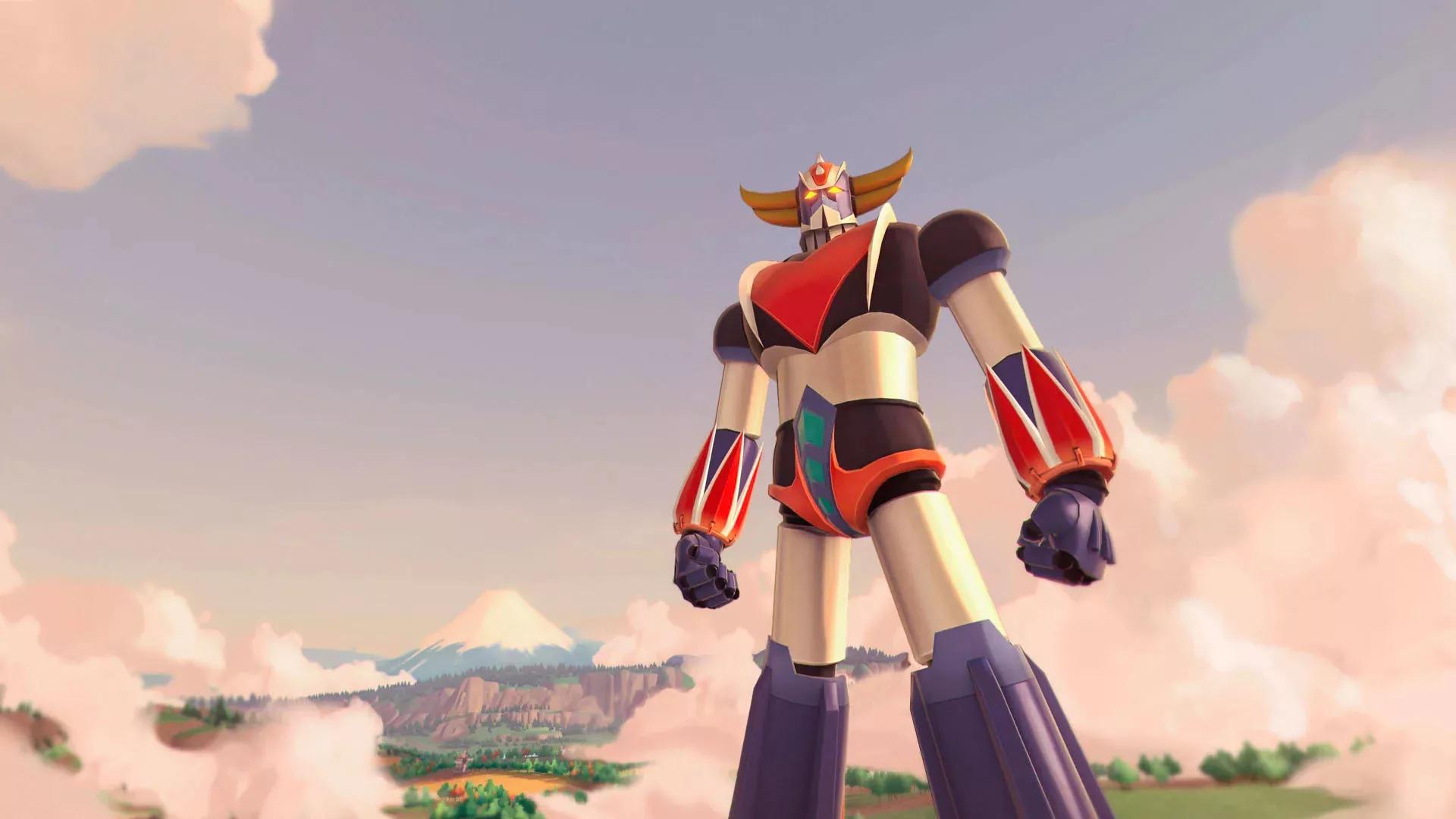
Magic Media’s approved project records include UFO Robot Grendizer: The Feast of the Wolves as a co-development and game-porting engagement. That is the kind of scope that matters in a porting conversation. The credible claim is not that an external partner made the title successful. It is that defined teams contributed to the work required to adapt and deliver a game across its target environments.
How should a studio choose between a remaster, remake, rebuild, and port?
Start with the business reason. Is the goal to introduce a classic to new players, reactivate an established community, reach a new platform, prepare a franchise for a new release, extend the life of an existing title, or make a creative return to a world with deeper potential? The reason sets the standard for the work. A project designed to reach a new platform has different priorities from a project designed to redefine a beloved game for a new generation.
Then assess the original honestly. Does the core loop still hold up? Which parts of the game are essential to its identity? Where do technical limits interfere with the intended release? What documentation, source code, tools, art, audio, and build infrastructure are available? Which platform requirements create new work? The answers will reveal whether the project needs an enhancement, a reimagination, a new foundation, or a carefully planned adaptation.
Finally, decide what “good” looks like for the target player. That includes visual and performance targets, controls, content scope, language support, accessibility, online expectations, release quality, and post-launch ownership. The choice between categories becomes much clearer once the team has defined the experience it is accountable for delivering.
Magic Media Perspective
Back-catalog strategy is strongest when it begins with discovery. The original game, the source materials, the target platform, and the player promise all need to be understood before anyone estimates the build.
What production work determines whether a revived game succeeds?
The visible reveal is only the final expression of a long production chain. Art teams need to decide what can be enhanced, recreated, or re-authored without losing the source identity. Designers need to set the rules for modernizing interactions. Engineers need to understand technical constraints and build an implementation that performs on the target hardware. QA needs test coverage that reflects the new platform, the changed systems, and the existing player expectations. Production needs the whole team operating against one clear plan.
This is why revived games benefit from the same professional structure as a new title. Build reviews, risk ownership, performance budgets, asset validation, regression testing, platform checks, and release-readiness criteria are not bureaucracy. They are how a team protects the value of the original work while introducing change responsibly. Magic Media provides QA testing, technical art, game development, and platform-focused services that can support those connected needs throughout production.
The approach also needs to fit the project’s actual capacity. A studio may need a focused porting team, art support for a remaster, engineering capacity for a rebuild, or integrated co-development across several disciplines. Enotria: The Last Song and UFO Robot Grendizer are useful examples from Magic Media’s approved project evidence because the contribution is described as production support, not as ownership of the full game outcome. That precision is what makes project proof trustworthy.
How do remasters, remakes, rebuilds, and ports create lasting value?
The value is not just in reopening an old release window. A thoughtful revival can introduce an IP to a platform-native audience, create a better entry point for new players, reconnect a community to a franchise, preserve a game that would otherwise become inaccessible, and build a technical or creative foundation for what comes next. But none of those outcomes arrive automatically because a title is familiar.
Players can tell when the work respects the game and when it only borrows the name. The best projects are clear about what made the original worth returning to, candid about what no longer serves the player, and technically prepared for the platform and audience they are addressing now. That is the difference between a revival that feels relevant and one that feels like an opportunity missed.
Magic Media Perspective
The goal is not to make an old game look newer. It is to give the right game a deliberate next life, with the craft, technology, and platform understanding that next life deserves.
Bring the right game back in the right way
Every back-catalog project starts with a different truth. Some games need careful preservation. Some need a full creative and technical rethink. Some need to meet players on a new platform. The smartest decision is not the biggest possible remake or the cheapest possible port. It is the approach that gives the title the strongest future while staying honest about scope, technology, and player expectation.
Magic Media helps studios assess that work and build the right team around it, from game porting and co-development to art production, QA, and full-cycle delivery. The earlier that discovery happens, the better the project can protect what players loved and deliver a version that belongs in the market now.
Planning the next life of a great game?
Magic Media can help you choose the right path, then support the art, engineering, platform adaptation, QA, and production work needed to deliver it.