






What Are Live Service Games?
Live service games are designed to evolve long after launch through structured content cadence, seasonal updates, live events, and ongoing player engagement. Rather than shipping once and moving on, these titles are built for long term retention and continuous iteration.
In 2026, the bar is higher than ever. Leaders like Fortnite, Destiny 2, GTA Online, and Apex Legends continue to define the model, and major upcoming releases like Grand Theft Auto VI are reinforcing expectations around post launch content, Live Ops execution, and sustained performance over time.
But what exactly separates a live service game from a traditional release? The difference is not just frequent updates. It is roadmap planning, economy management, analytics driven iteration, and the operational discipline to support a product for years, not months.
What Is the Origin of Live Service Games?
The concept of live service games has roots in a few different directions. One major influence is the Software as a Service (SaaS) model, which became mainstream in the 2000s as digital distribution grew and always connected products became normal. That shift helped shape the idea that a product can be continuously improved, expanded, and supported over time, not just shipped once and left alone.
MMOs and MMORPGs also played a major role in shaping player expectations around ongoing support. Games like World of Warcraft demonstrated how post launch updates can dramatically change the player experience over time, with new areas, activities, systems, and expansions delivered continuously. That ongoing content model helped establish one of the most recognizable characteristics of live service games today.
Live Service vs Live Ops vs GaaS
These terms get used interchangeably, but they are not the same thing. Getting the language right helps with planning and resourcing.
- Live service game: the product model. The game is designed for ongoing updates, events, and long term retention.
- Live Ops (Live Operations): the work of running the game after launch. Events, releases, tuning, tooling, QA, community response, and rollout control.
- GaaS (Games as a Service): the business framing. Often used loosely, but typically implies recurring engagement and sustained revenue over time.
Simple rule: live service is what you build. Live Ops is how you run it.
What Are Live Service Games? Core Features Explained
At its core, a live service game is any game designed to be regularly updated with new content, events, and engagement efforts. The purpose is to maximize retention long after launch, so players continue to find value, and studios can sustain the product with predictable post launch operations.
Traditionally, many games shipped, received a small set of patches, and then moved into maintenance mode. Live service changes that pattern by planning for continued engagement as part of production and resourcing.
Most live service games include frequent content releases such as new characters, missions, weapons, enemies, or locations. These may resemble traditional DLC or expansions, but they tend to ship on a more regular cadence with clearer operational planning behind them.
Another hallmark is seasonal and time limited events. Seasons often introduce new objectives and reward tracks. Limited time events, including holiday events, can create spikes of engagement and reasons to return, while also supporting content pacing across the year.
While not exclusive to live service, online elements and community features are common because they help drive retention. Guilds, clans, teams, competitive ladders, and cooperative modes help create social investment. They also support event participation and recurring play patterns.
Gameplay and Genres of Live Service Games
Live service is not restricted to one genre, but it is common in shooters, battle royale titles, and large online games. Many successful examples combine broad content variety with systems that reward repeat play. Despite genre differences, live service games often share similar underlying systems, especially progression.
Progression systems allow players to unlock characters, abilities, weapons, cosmetics, and power over time. These systems can look like RPG leveling, account progression, battle pass tracks, collection systems, or seasonal ranks. The shared goal is consistent player motivation over long periods.
In deeper PvE examples, endgame content such as raids can become a major retention engine. High coordination activities create long term goals, reinforce community behavior, and provide a structure for ongoing content growth.
How Do Live Service Games Make Money?
Live service games use several monetization models, and many combine more than one. Some charge upfront. Some reduce the entry price. Others use free to play with optional purchases.
Monetization often includes microtransactions, cosmetic items, in game currency, or content packs. Some games also sell items that impact gameplay, which requires careful design and clear guardrails, since pay to win perceptions can damage trust and retention quickly.
Season passes and battle passes are also common. Season passes typically bundle access to planned content for a season. Battle passes usually offer a tiered reward track that players progress through over time. When implemented well, they can align player goals with content cadence and provide predictable revenue.
What Are the Pros and Cons of Live Service Games?
Live service games can create long term value for players and sustainable revenue for studios, but the model increases operational complexity. Success requires more than good gameplay, it requires consistent delivery, stability, and disciplined Live Ops execution.
The upside is longevity. A well run live service can stay relevant for years, with the product evolving as new content and systems are introduced. The downside is risk, both production and brand risk. Overpromising cadence, shipping unstable updates, or misreading monetization tolerance can push players away.
How Long Can Live Service Games Last?
A well constructed live service game can run for years without remasters or remakes. Regular updates keep the game feeling fresh, support retention, and improve the perceived value for new players who arrive later.
However, growth creates its own challenges. The more content accumulates, the easier it is for new players to feel overwhelmed. A streamlined early experience and a clear onboarding path become more important as the product expands. Content pacing matters too, and studios should avoid burying new players under too many systems too soon.
Why Are Frequent Updates Critical for Live Service Games?
Frequent updates only work if quality stays predictable. Bug fixes, stability improvements, and performance consistency should be treated as core Live Ops responsibilities. In live service games, issues can be more visible and more widely felt because players are constantly interacting with shared systems and events.
Balancing is another constant requirement. Abilities, weapons, progression pacing, and economy tuning can shift over time, and those changes need careful communication and testing. Overcorrection can alienate players, while slow responses can create frustration and churn.
Studios also need to be realistic about cadence. Releasing too frequently can burn out teams and players. Releasing too slowly can cause engagement to drop. Strong Live Ops planning is about finding a cadence that players can rely on and teams can sustain.
Planning to Build or Scale a Live Service Game?
If you are planning to build or scale a live service game, the difference between success and churn is execution. Content cadence, operational readiness, stability, tooling, and clear ownership across Live Ops functions all matter. The best results come when these are planned early, not bolted on after launch.
What Is the Origin of Live Service Games?
The concept has roots in a few different places. One major influence is the Software as a Service (SaaS) model, which became mainstream in the 2000s as digital distribution and always connected products became normal. That shift helped shape the idea that a product can be continuously improved, expanded, and supported over time, not just shipped once and left alone.
What Is the Origin of Live Service Games?
The concept has roots in a few different places. One major influence is the Software as a Service (SaaS) model, which became mainstream in the 2000s as digital distribution and always connected products became normal. That shift helped shape the idea that a product can be continuously improved, expanded, and supported over time, not just shipped once and left alone.
Equally, Massively Multiplayer Online Roleplaying Games (MMORPGs) and Massively Multiplayer Online games (MMOs) in general have played a significant role in the development of live game services. Games like World of Warcraft, for example, now 20 years into its existence, stand as a perfect example of early adoption of digital distribution models that affected significant change in the player experience. The game would receive updates that would add entire landmasses filled with new activities for players to engage with. This is one of the tentpole characteristics of live service games today.
What Are Live Service Games? Core Features Explained
At its simplest and at its core, live service games are games of any genre designed to be regularly updated with new content, events, and engagement efforts. The purpose is to maximize player retention long after the title’s original release, ensuring players continue to enjoy a game they purchased and continue to deliver revenue to the studio creating and deploying these updates. Traditionally, a game studio’s support will end once a game is released and optionally receive a few post-launch updates and downloadable content. Live service games break this mold by making active efforts to engage players over a longer period continually.
These live game services most commonly include new content releases featuring new playable characters, missions, weapons, enemies, and locations in the vein of traditional DLC or game expansions. Typically, for a live service game, these releases would be more frequent.
Another hallmark of live service games is seasonal and periodic events. In-game seasons provide players with an opportunity to earn exclusive rewards, including cosmetic skins and weapons, as do holiday events, where in-game rewards are often based on the relevant holiday theme. For any major event, holiday, or significant period, these are excellent opportunities for players to earn new rewards, engage with new content, and potentially stick with the game for a longer period.
Though not strictly exclusive to live service games, many focus on online multiplayer to foster a sense of community, cooperation, and competition. This is further reinforced by clan systems in multiplayer-focused live service games, where players can group with other like-minded individuals to reach the same gameplay goals. As we’ve mentioned, it’s not exclusive to live service games. However, a multiplayer component or some form of online community is almost always seen. This is because maintaining this type of release schedule for updates is much harder to execute for solo players. And, multiplayer elements, such as guilds, teams, and cooperative or competitive play, are more likely to draw in players and keep them engaged for longer. Live service games thrive off this form of engagement, built around a strong community.
Gameplay and Genres of Live Service Games
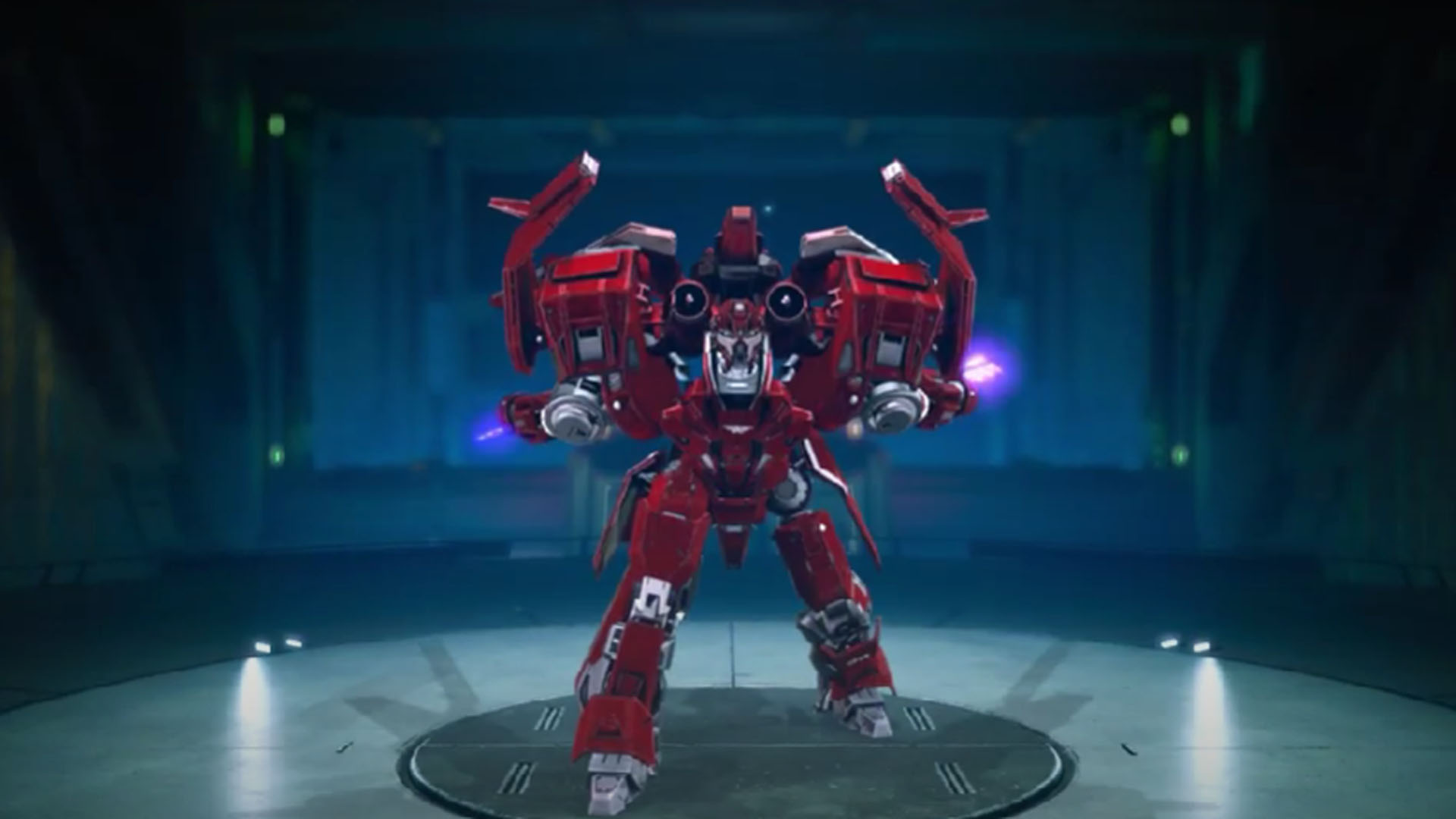
Live service games aren’t exclusive to any genre, but primarily crop up in shooters, as is the case with the successful Destiny 2, and battle royale games style games. Games like Fortnite and Grand Theft Auto Online are prominent examples of live service games that are technically shooters but offer players a vast array of different activities to participate in. They also offer many ways to invest with real money for in-game rewards. Despite the genre disparity among live service games, they all tend to have a few similar gameplay features, namely some form of progression systems.
Progression systems refer to the systems in place that allow players to unlock new characters, abilities, weapons, and powers over time as they grow in power. These are effectively similar to leveling up systems in RPG games, but they appear across different genres to help foster long-term player engagement. Though not always the case, progression systems can sometimes be tied to the monetization strategies of a title’s live game services. In either case, a growing capacity for play or a growing power during play allows players to engage for longer and in more ways, or in the same way but at a greater depth of skill and strategy.
As with our example of Destiny 2, the raid system is a great example of deep, strategic gameplay that requires well-coordinated, powerful players. This content embraces the community element of the shooter as well as the growing progression of the highest tier of PvE players.
How Do Live Service Games Make Money?
Live service games adopt a wide variety of monetization strategies with several commonalities. Some studios and publishers elect to charge upfront for their games, some might charge full price whereas other live service games, like Helldivers 2, might charge a reduced market rate. In other cases, some others make their live service games free to play but with added optional purchases possible.
Going back to using Destiny 2 as an example, this game originally launched with a premium price tag like its predecessor before adopting a free-to-play model in 2019. The developer, Bungie, continued developing expansions at a cost for players while enabling players, new and existing, to continue enjoying the base game for free.
Live game services are regularly monetized with microtransactions, additional game purchases for cosmetic items, in-game currencies, and sometimes even weapons or other items that can have a tangible impact on gameplay. This last one, however, requires a careful approach as players can easily feel neglected or punished for not spending money or enough money on a title. This is especially true for games that aren’t initially free. As with all engagement methods, a careful balance and a focus on a fun, enjoyable player experience is paramount.
Another commonly seen strategy is season passes and battle passes. Season passes are a one-time purchase that entitles a player to all the content planned for release as part of that season. Battle passes are usually tiered content tracks that entitle players to certain items and in-game benefits once the player has fulfilled requirements.

What Are the Pros and Cons of Live Service Games?
Live service games present numerous pros and cons for developers and players alike. When determining whether or not to pursue the development of a live service title, it’s important to carefully consider these pros and cons and decide if, ultimately, your game idea should be a live service title or not. There have been many successful titles and many that couldn’t connect with players. Despite the incredible success of titles like Destiny 2, there are no guarantees when entering the live service games arena.
How Long Can Live Service Games Last?
A well-constructed live service game can provide content to players and extend its natural lifespan for years without remastering or remaking it. Regular updates ensure that the game continues to feel fresh, retain players, and encourage new players to try it out. Additionally, the longer a successful live service game runs, the larger and more impressive it will be to any new players.
A consistent stream of new content can do wonders for retaining players over a long period. Early adopters who start playing the game with version 1.0 will see the game evolve in real time and be given more and more reasons to keep playing the game – new missions, areas, characters, and plenty of other types of content.
Conversely, it’s important to bear in mind the new player experience as your game continues to grow in size. The larger the game becomes, the more difficult it can be for players to engage with the game and successfully stay playing it. The sheer amount of content could be overwhelming, so a streamlined experience in the early hours of the game is essential. It’s also worth considering the pace at which post-launch content is distributed during the game’s natural progression. It’s inadvisable to place expansions or extra content near the beginning of the game as you could risk overwhelming and losing the player.
Why Are Frequent Updates Critical for Live Service Games?
With such a strong focus on frequent updates, live service games should be subject to consistent bug fixes and improvements. The vast majority of games receive post-launch updates in the form of bug fixes and gameplay improvements, but this should be one of the highest priorities for live service games. Bug fixes are a fact of life when it comes to games of all kinds, and in titles with live game services, they could be more noticeable and widely affecting compared to other titles, such as offline single-player games. This makes quick bug fixes a necessity for the entire lifespan of live service games.
General improvements and balancing should be at the top of the priority list as well. Balancing is a constant battle to ensure that your gameplay is the perfect mixture of fun and challenge. Balancing generally constitutes a continual examination of player and enemy abilities, to ensure they’re relatively balanced against one another concerning character power levels, ensuring that no one is overpowered unless they’re meant to be by design – the player should be significantly more powerful than ‘grunt’ enemies but should feel challenged by boss characters. This could result in the gameplay experience changing significantly over time. Challenging bosses could become too easy or too difficult, what once was an interesting encounter could be overcome with brute force, and abilities could be reworked to the point of being unrecognizable. This is something to be wary of, as changing the core of the game could result in alienating players.
For development studios and publishers, the monetization strategies available for live service games could also prove to be more lucrative than traditional models over time. Despite the advantages of live service games, they’re not without their share of challenges. There’s a risk of releasing content too frequently, leading players to feel burned out trying to keep up with new releases. It’s critical for developers to carefully consider their release timelines to keep players engaged without overburdening them with fresh content. The monetization strategies synonymous with live service games also need to be planned carefully to avoid them being considered excessive and egregious. Players are more often than not happy to pay for additional content, especially if the base live service game is free, but too many transactions could mean alienating players.
If you’re planning to build or scale live service games, look no further than Magic Media. We offer expert services including game development for all platforms and genres, VFX, game porting, and more. Contact Magic Media today, and let’s create magic together.
Live Service and Live Ops support for your next studio project.
Scale your live game with structured content cadence, event support, performance stability, and long term roadmap execution. Magic Media integrates directly into your pipeline to strengthen production and protect retention.
Explore Live Services with Magic Media
Contact Magic Media
to discuss how we can support your live service roadmap.
From seasonal updates to long term Live Ops execution, we help studios deliver consistently without burning out internal teams.