




In short
Game porting in 2026 requires studios to adapt a game for each platform’s hardware, controls, performance limits, storefront requirements, and player expectations. Successful cross platform development depends on early technical planning, targeted optimization, careful console migration, thorough QA, and protecting the core experience on every device.
Game porting in 2026 is the work of adapting a game for a new platform without compromising the performance, controls, visual intent, and player experience that made the original build work. It is not a final conversion task after production. It is a technical and production discipline that has to account for the realities of the destination platform from the start.
A successful PlayStation, Xbox, Nintendo Switch, PC, or mobile version should feel made for the people playing it, even when it shares an engine, codebase, and creative direction with the original. Players do not separate a platform build from the game itself. They judge the experience in front of them, including stability, responsiveness, UI clarity, loading, platform features, and how well the title holds together over time.
That is why cross-platform work is not about launching everywhere for the sake of it. It is about making thoughtful production decisions that let a game reach new players without losing the quality, character, or reliability that earned their attention in the first place.
Magic Media Perspective
The costliest porting decisions are the ones made after the game’s architecture, scope, and release plan have already locked.
What Is Game Porting?
Game porting is the process of adapting an existing game to run on another hardware ecosystem while meeting the technical, commercial, and player-experience expectations of that platform. It can involve changes to rendering, performance, memory management, controls, UI, save systems, platform services, assets, networking, and compliance work. The aim is not simply to make the game launch. It is to make the game belong there.
Porting is closely connected to cross-platform development, but the two are not identical. Cross-platform development is a release strategy that may be planned from the beginning, while porting often brings an existing game to a new audience after its first release. Teams can be doing both at once, but a porting team still has to understand the original build deeply enough to make the right platform-specific decisions rather than applying a generic conversion process.
Why Is Game Porting a Production Decision in 2026?
Porting used to be discussed mainly as a way to reach another storefront. That is still part of the commercial case, but the production implications are now much bigger. Platform requirements influence architecture, asset authoring, technical design, QA, certification, launch planning, and the way a studio supports the game after release.
When a credible second platform is identified early, a studio can set realistic performance targets, define the right technical ownership, and make informed trade-offs while systems are still flexible. When that decision is deferred, the same work tends to return later as expensive rework during optimization, platform submission, or a live release. Our guide to better development planning for game porting explores why those early decisions matter so much.
Magic Media Perspective
Performance is part of the player experience. If a build feels unstable or unnatural on a platform, players will judge the whole game by that version.
What Does the Game Porting Process Include?
A strong game porting process starts with evidence, not assumptions. Before implementation begins, the team needs to understand the source build, the target platform, the production schedule, and the risks that could affect quality or release timing. This gives the studio a practical plan that connects technical work to the actual business goal behind the port.
Technical assessment and production planning
The first stage reviews the engine, source code, build pipeline, third-party technology, existing performance profile, assets, platform requirements, and delivery constraints. It should establish what can be shared, what needs to change, where technical risk sits, and how the work will be tested. A useful assessment creates a roadmap with clear ownership, achievable milestones, and performance goals that make sense for the destination platform.
Platform adaptation and integration
The next stage adapts the game for the way that platform is used. That can include platform services, control schemes, UI layouts, safe areas, input behavior, save systems, achievement or trophy integration, storefront requirements, and features players expect as standard on that device. Feature parity matters, but it should never mean ignoring the ways a platform changes how a game is played.
Optimization, QA, and certification
Optimization then brings the build toward its performance, memory, loading, rendering, and stability targets. QA needs to validate gameplay as well as technical behavior across real target conditions, including saves, peripherals, online systems, localization, suspend and resume behavior where relevant, and edge cases that do not appear in a development environment. Certification is not a final checkbox. It is a release requirement that needs to inform the production plan throughout the project.
Launch support and continued ownership
For a live or actively supported game, the release plan has to extend beyond submission. Patch delivery, crash monitoring, backend compatibility, player support, performance updates, and new content all need to work across the platforms the title supports. A well-run port leaves the studio with a maintainable version of the game, not a one-off build that becomes difficult to support the moment it ships.
Why Does Each Platform Need Its Own Optimization Plan?
The target platform changes what good looks like. A console build, a PC build, a handheld build, and a mobile build can share a creative vision, but they do not share the same technical constraints or player expectations. Treating every target as a resolution or asset-scaling problem is where quality begins to slip.
Console releases need to meet platform performance targets, work naturally with the controller and system features, and move cleanly through certification. PC development introduces a different kind of complexity, where graphics settings, input options, display configurations, operating systems, driver behavior, and a broad range of player hardware all need to be supported without making the game feel inconsistent.
Nintendo Switch and handheld targets ask teams to be especially disciplined with CPU, GPU, memory, storage, and thermal budgets while considering the difference between handheld and docked play. The answer is not to reduce everything at the end. It is to build scalable rendering, efficient asset management, and meaningful performance testing into the work. Nintendo’s developer resources remain the right place to confirm current platform requirements.
Mobile creates a different set of pressures again. Thermal behavior, battery use, fragmented hardware, memory limits, touch interfaces, and varying network conditions all affect whether a player stays with the game. Both Apple Developer and Android Developers provide platform guidance that should inform technical choices well before a build reaches submission.
Magic Media Perspective
Platform parity does not mean a copy-and-paste experience. It means each version delivers the same product promise in the way that platform requires.
How Should Studios Plan Cross-Platform Development?
The practical answer is to treat the platform roadmap as part of the game plan, even when the release schedule is phased. Start by defining which platforms are credible, what the target experience should be on each one, and where the codebase, content pipeline, and online systems need to stay flexible. Then map the technical work against production milestones while there is still room to make choices that protect quality.
This does not mean building every platform version at the same time. It means avoiding the false economy of decisions that make later expansion unnecessarily difficult. A team may choose to stage its release, but it should still understand the future platform implications of rendering choices, input design, asset budgets, performance profiling, data architecture, and feature commitments. That is how a studio keeps expansion strategic instead of reactive.
Why Are LiveOps and Backend Systems Part of a Port?
Once a game includes online systems, a port reaches beyond the client build. Cross-save, cross-play, matchmaking, progression, analytics, live events, patching, and player support can all introduce platform-specific technical and compliance considerations. If they are not included in the scope from the beginning, the game may technically run on the new platform while still being unready for the player experience it promises.
The same applies to delivery. Build automation, environment management, security, backend integration, update paths, and release coordination have to work across the platforms in scope. Retrofitting those systems under a live title is more expensive than designing for them during the porting plan, because every late decision carries a risk to stability, certification, and player trust.
Magic Media Perspective
Once live systems are part of a game, porting is not only a client-build task. It is a launch and operations plan.
What Game Porting Experience Does Magic Media Bring?
Magic Media supports game porting and technical development across PC, console, and mobile, working as an extension of a studio’s production team or taking ownership of defined technical workstreams. Our game porting services cover the journey from technical assessment and platform integration through optimization, QA, submission support, and post-launch needs.
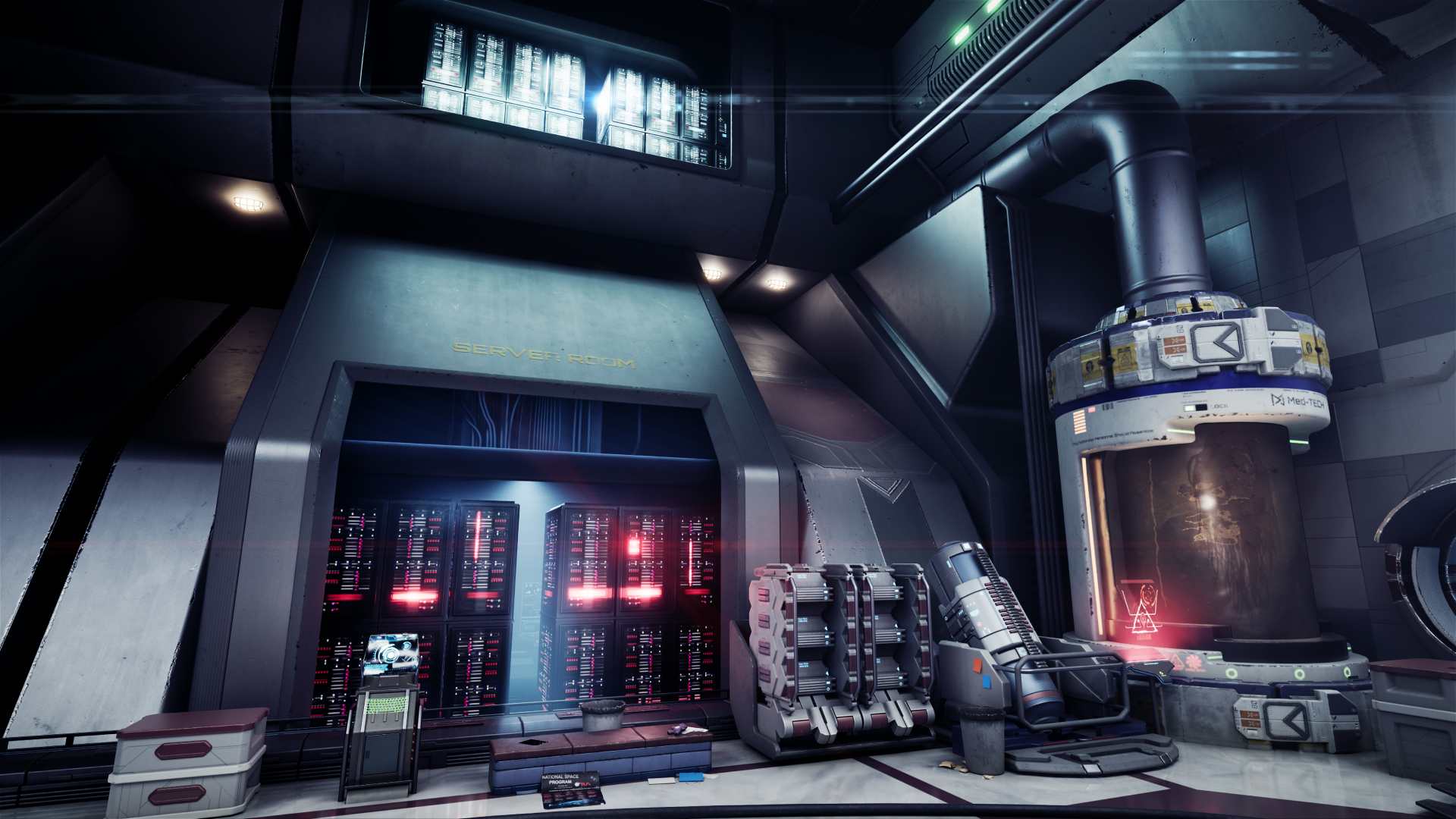
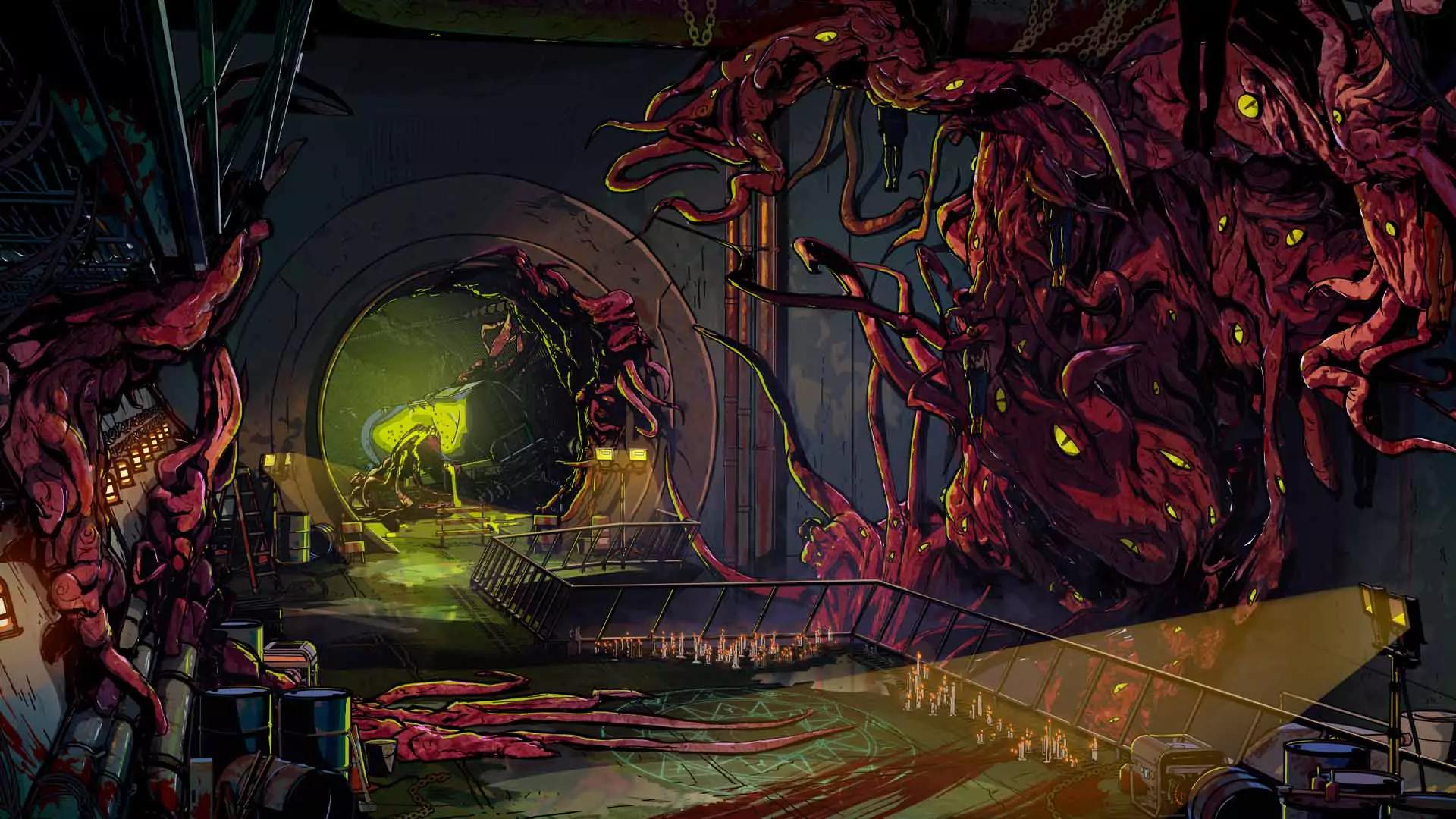
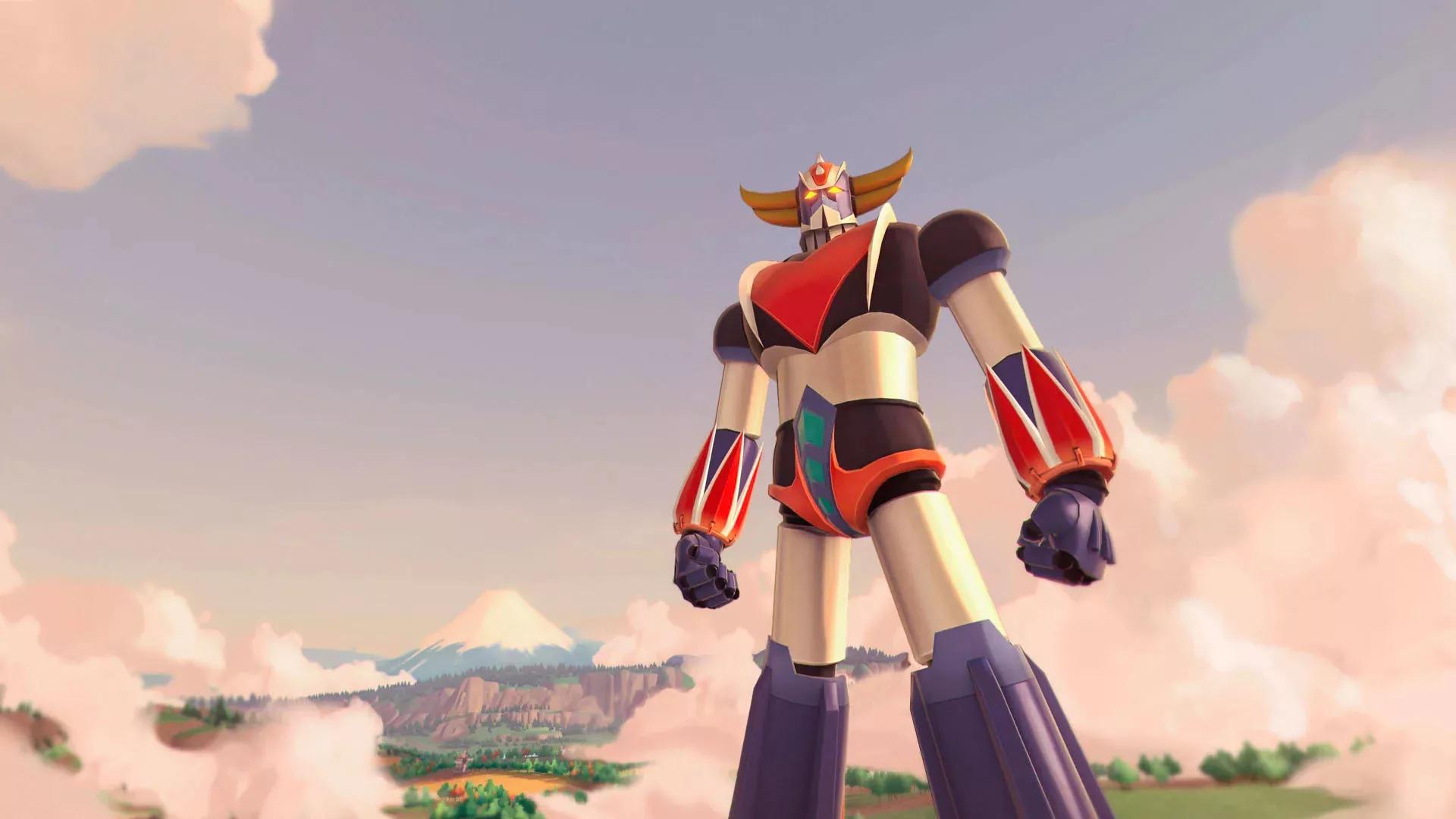
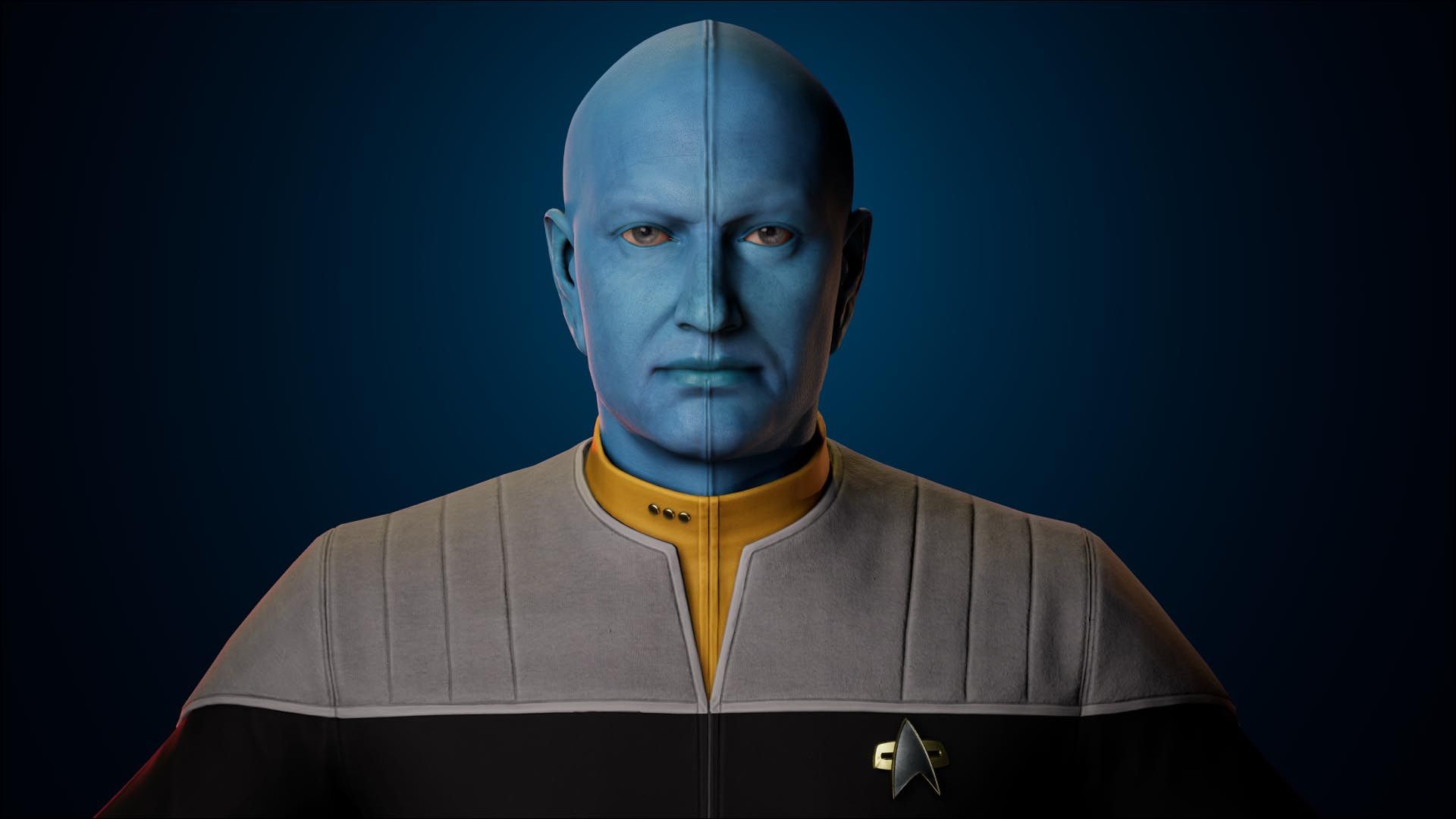
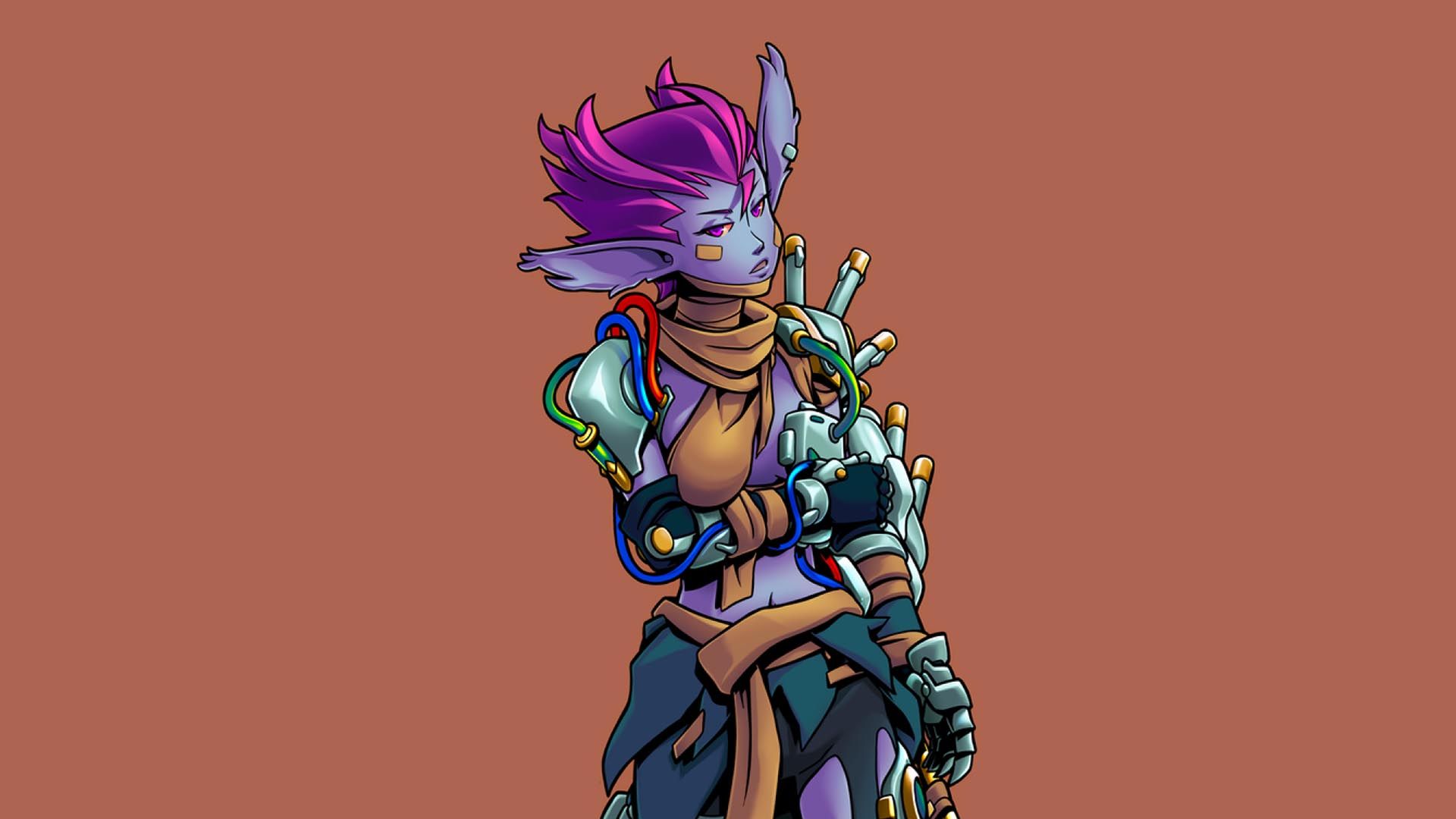
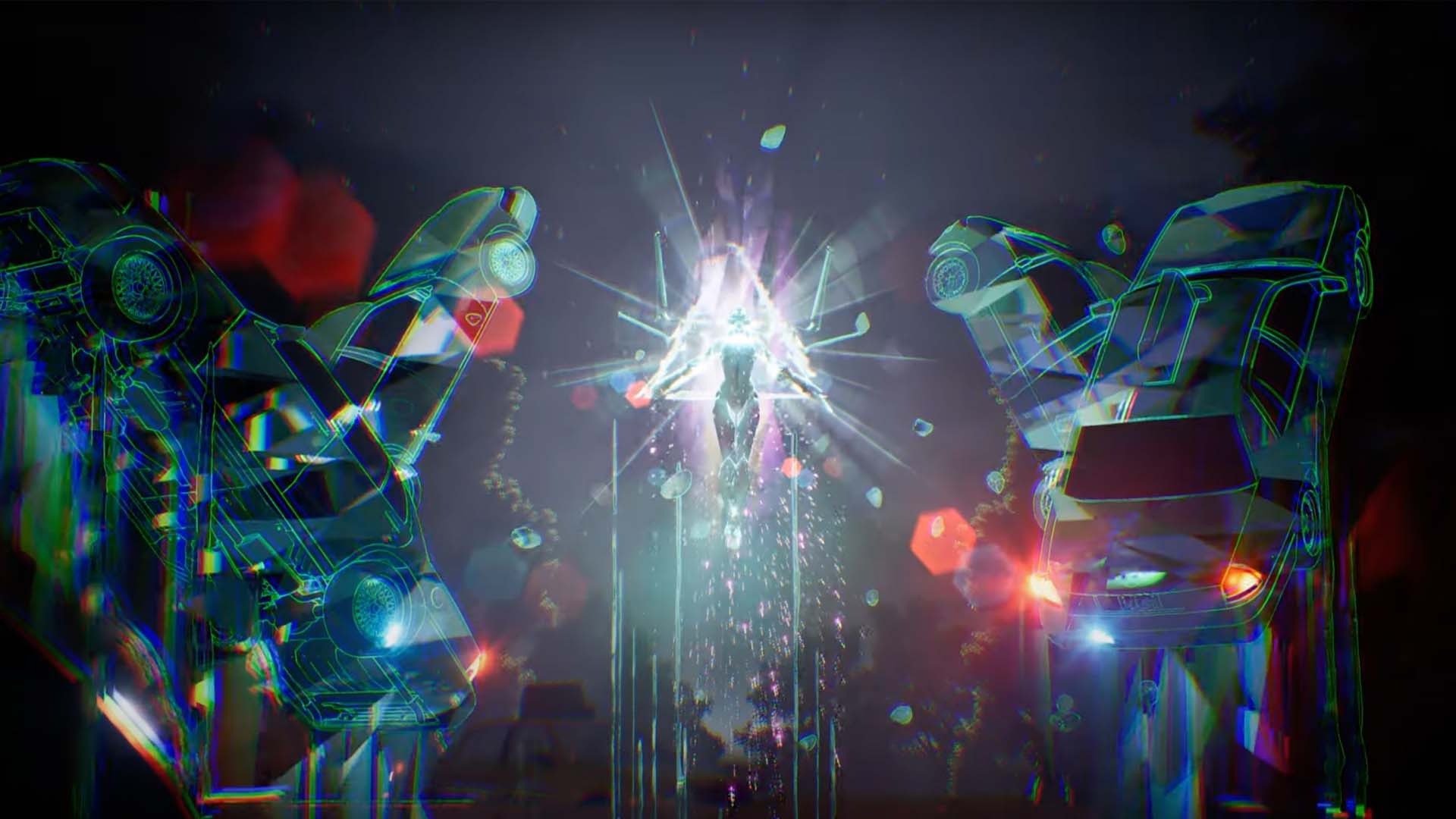
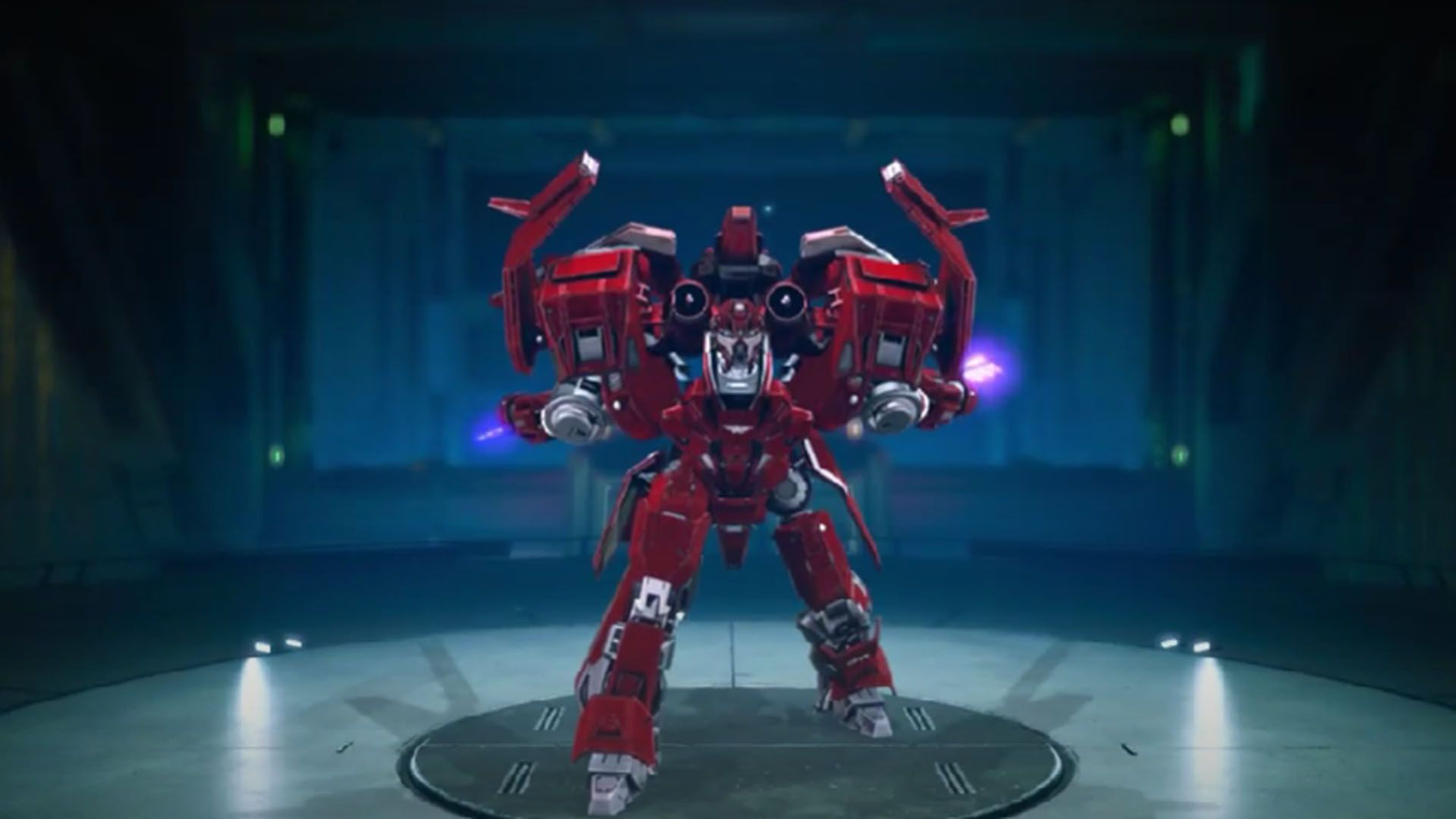
On Enotria: The Last Song, Magic Media supported Jyamma Games with technical development and porting work focused on performance optimization, engine updates, and preparation for additional platforms while maintaining a stable gameplay experience. The wider Magic Media portfolio includes work across console, PC, and mobile projects such as Warhammer 40,000: Deathwatch, UFO Robot Grendizer, Tiny Troopers, Star Control: Origins, and Hello Guest. You can explore more project proof through our game development case studies.
The goal is never to force a single porting recipe onto every game. It is to understand the actual codebase, production pressures, target platforms, and commercial ambition well enough to make the right technical decisions early, then stay accountable for quality through release.
What Does a Strong Game Porting Partnership Look Like?
A strong porting partner brings more than extra development capacity. They make technical risk visible early, communicate clearly when a decision could affect quality or schedule, and work inside the real production systems rather than around them. That combination is particularly important when a title has tight deadlines, multiple stakeholders, certification pressure, or a live community waiting for the next release.
Client Testimonial
Microids, UFO Robot Grendizer
“It was a great pleasure partnering with Magic Media for this porting need on UFO ROBOT GRENDIZER. The team’s efforts were relentless, they were very communicative and available for us, as well as very agile in their approach. They did not hesitate to share important key issues with us or ask us for feedback on their processes. We were very pleased with this collaboration on this project, as this was a very challenging project that required a lot of expertise and rigour.”
Game Porting Is Where Planning Meets Execution
The difference between a cross-platform release that lands well and one that leaves value on the table usually comes back to the same decisions. Were platform requirements considered early enough? Was optimization approached as platform-native work rather than uniform scaling? Did the production plan include the systems needed to support the game after launch?
The strongest releases answer those questions before they become urgent. They use the porting process to extend a game’s commercial life, strengthen its player experience, and give the studio a version of the title it can be proud to support long after release.
Planning your next platform release?
From technical assessment and engine migration to performance optimization, QA, and certification, Magic Media helps teams bring games to new platforms without compromising performance, player experience, or creative vision.
Frequently asked questions
What is game porting and why is it important?
Game porting is the process of adapting a video game to run on different hardware platforms while preserving gameplay quality, technical performance, and player experience. It allows studios to reach new audiences, extend the lifespan of successful titles, diversify revenue streams, and support players across consoles, PC, handheld devices, and mobile platforms.
How long does game porting usually take?
Game porting timelines depend on platform complexity, engine architecture, optimization requirements, certification processes, and technical debt within the original project. Smaller projects may require several months, while complex cross platform ports involving optimization, feature adaptation, and certification can take significantly longer.
Why is cross platform game development more difficult than building for one platform?
Cross platform development requires teams to support different hardware architectures, performance targets, memory limitations, input systems, operating systems, and certification requirements simultaneously. Successful cross platform development depends on scalable architecture, optimization planning, and platform specific engineering throughout production rather than after launch.
Which platforms can games be ported to?
Games can be ported across a wide range of platforms, including PlayStation, Xbox, Nintendo Switch, PC, iOS, Android, and emerging devices. The process varies depending on the technical requirements and capabilities of each platform.
What are the biggest challenges in game porting?
Common challenges include performance optimization, memory constraints, adapting controls and user interfaces, meeting certification requirements, and maintaining feature parity while preserving the original player experience.
How much does game porting cost?
The cost of game porting depends on factors such as the complexity of the original game, the number of target platforms, optimization requirements, certification needs, and the extent of quality assurance testing involved.
What is console certification in game development?
onsole certification is the approval process required by platform holders such as PlayStation, Xbox, and Nintendo before a game can be released. It ensures titles meet technical, functional, and user experience standards.
Can Unreal Engine games be ported to other platforms?
Yes. Unreal Engine games can be successfully ported across multiple platforms, although each target platform requires optimization and adaptation to meet its specific performance and certification requirements.
Can Unity games be ported to consoles and mobile devices?
Yes. Unity supports deployment across numerous platforms, including consoles, PC, and mobile devices. Effective porting ensures that gameplay quality and performance remain consistent across each environment.
Why is optimization important during game porting?
Optimization ensures that games achieve stable performance, efficient resource usage, and a high-quality player experience on every target platform. Without proper optimization, ports may suffer from technical issues that negatively affect reviews and player satisfaction.