

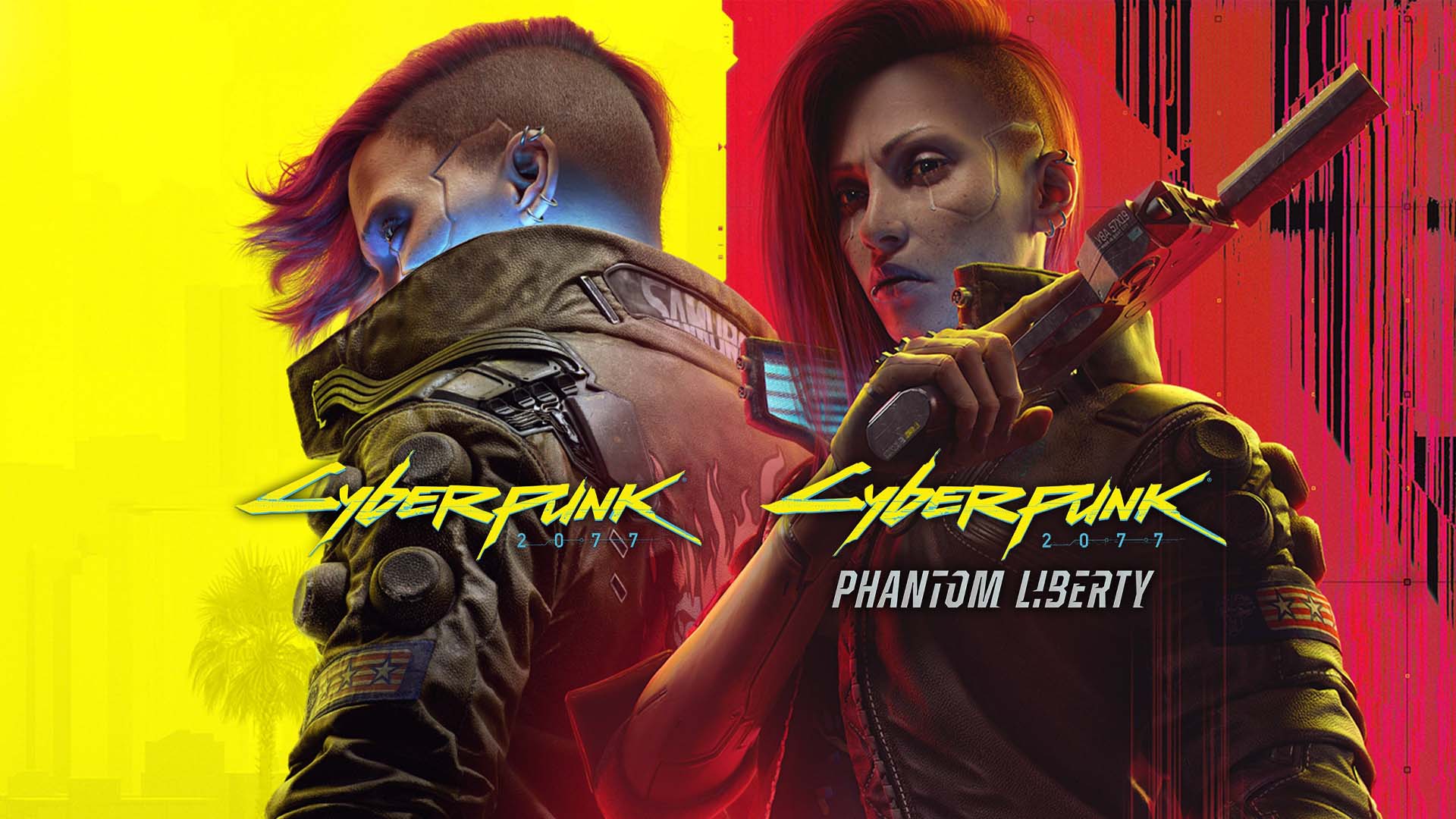


Game development keeps moving forward fast, and a collaborative game co-development workflow has become one of the most important parts of building great games. Studios now work across time zones, tools, and teams, and the ability to collaborate well can shape the final quality of a project. That is where collaborative game co-development comes in. It gives studios the chance to work together in a way that feels unified, efficient, and aligned with the same creative goals.
This approach goes far beyond classic outsourcing. It connects teams, blends expertise, and supports smooth communication across every part of production. When done right, it speeds up development and lifts the quality of the final game.
Collaborative Game Co-Development Workflow That Delivers Results
Collaborative game co-development means two or more studios working side by side using the same tools, timelines, and creative direction. Everyone focuses on shared goals instead of working in separate bubbles. This gives you access to talent, skill sets, and technical strengths that expand what your internal team can achieve.
This collaborative game co-development workflow keeps teams aligned from the start and helps studios produce better results with fewer delays.
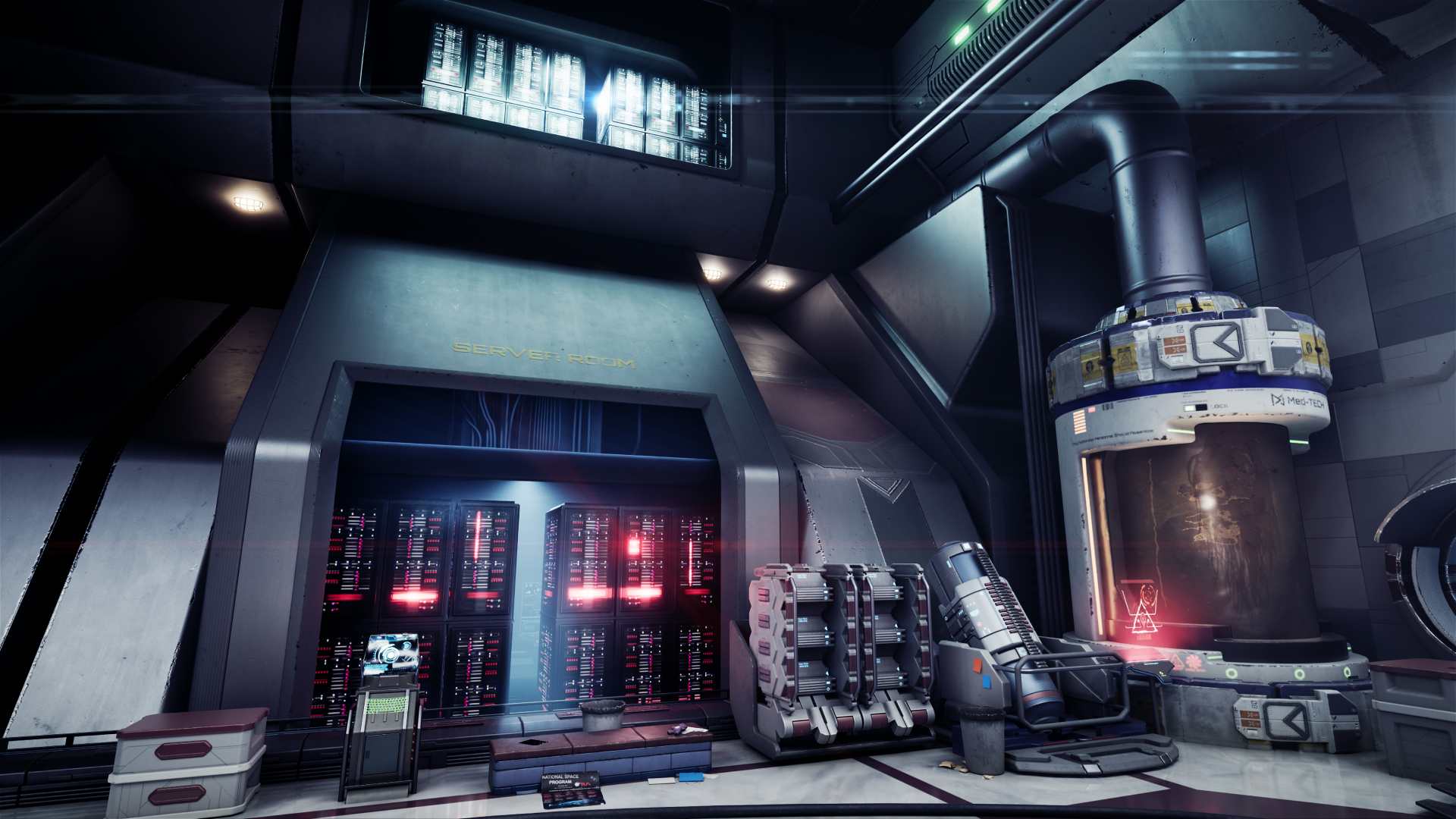
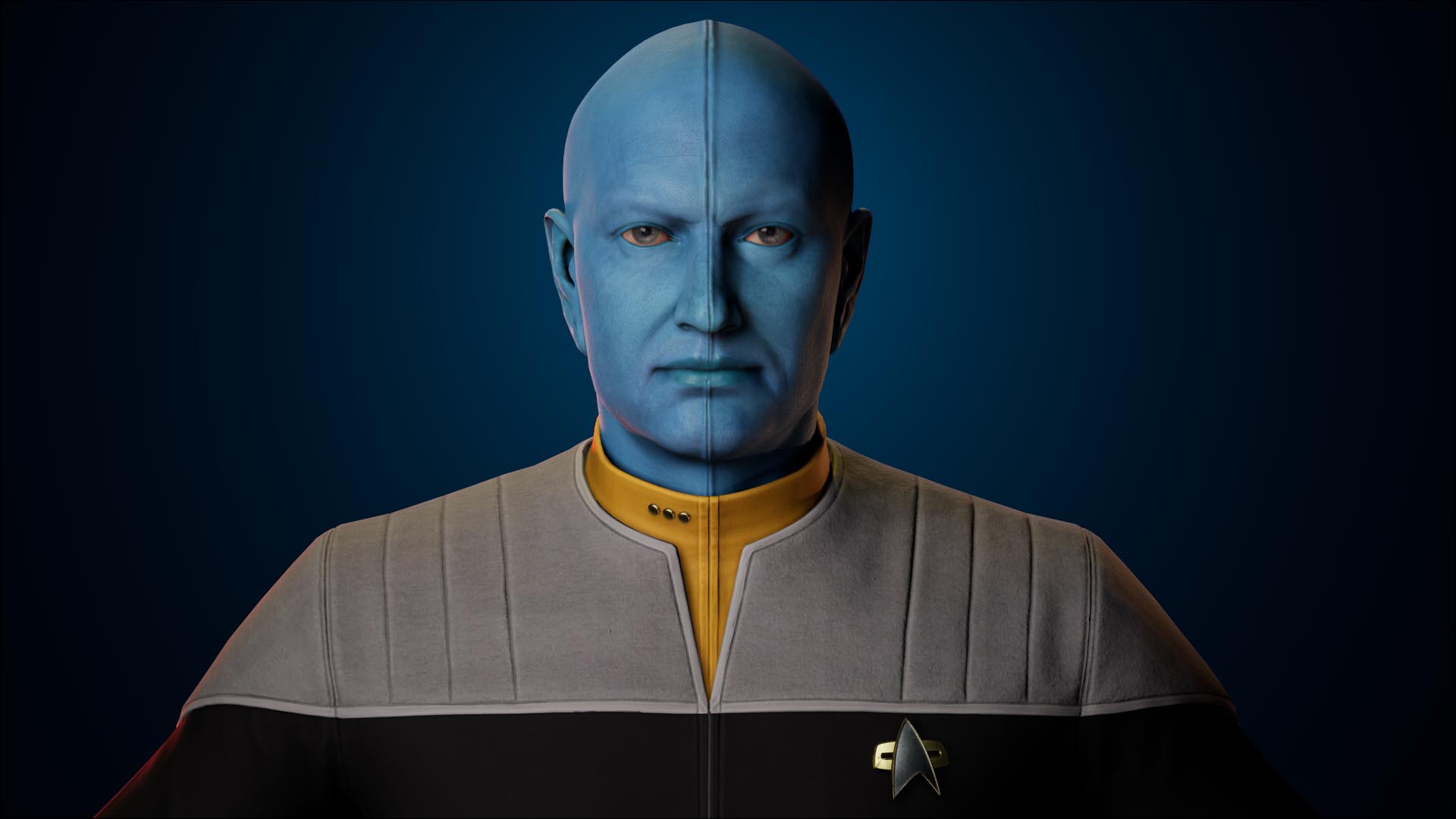
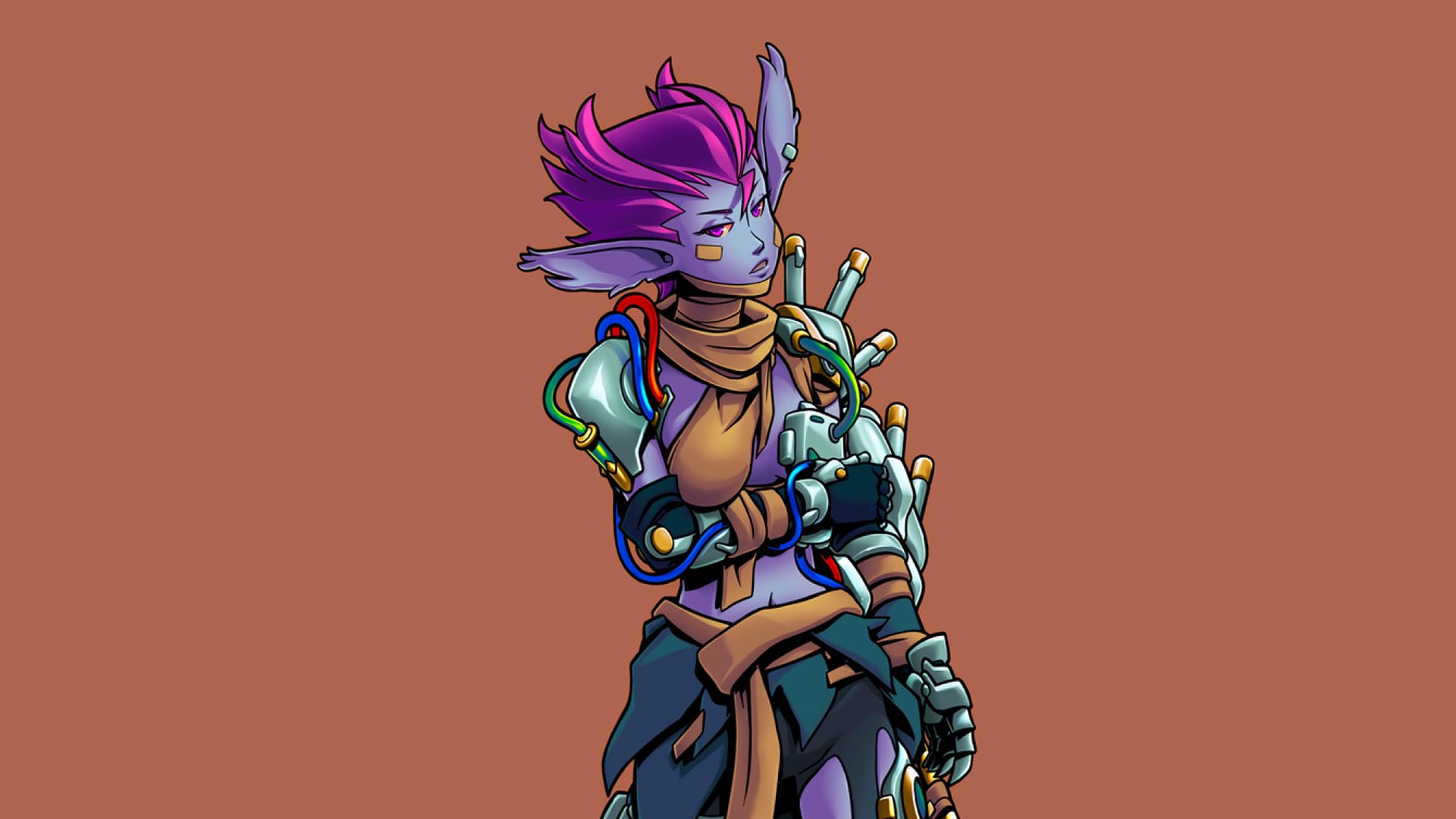
For example, one team may specialize in environments and lighting while another brings strong experience in character art and animation. Together, the game benefits from richer visuals, smoother production, and a more polished end result.
Why Collaboration Strengthens Production
Collaboration creates a smoother workflow and helps teams avoid the long back and forth cycles that slow down projects. It also keeps quality consistent since everyone works through the same pipeline and receives feedback in real time.
- • Shared tools and processes keep production predictable
- • Real time communication reduces delays and misalignment
- • Creative goals stay clearer with fewer disconnects between teams
- • Cross studio skill blending improves the overall quality of the game
Industry groups such as the External Development Summit highlight how important this type of collaboration has become for modern production. Studios that work together seamlessly move faster and deliver better content with less friction.
Tools That Support Better Collaboration
A successful co-development setup always relies on clear processes and strong tools. When teams share the same development environment, they move faster and avoid the usual technical blockers.
- • Version control systems for clean asset management
- • Shared documentation for style, naming rules, and pipelines
- • Communication tools that keep daily updates flowing
- • Real time review platforms for fast creative feedback
This structure keeps teams aligned even when they are working in different countries or time zones.
How Co-Development Supports Stability and Risk Reduction
Game development can bring technical surprises, last minute creative changes, and shifting deadlines. Collaborative co-development reduces these risks by spreading expertise and production strength across more than one team. If one area becomes overloaded, another can support it without slowing the project.
This helps studios stay on schedule and maintain consistent quality through the entire development cycle.
Real World Collaboration: The Hunter Classic
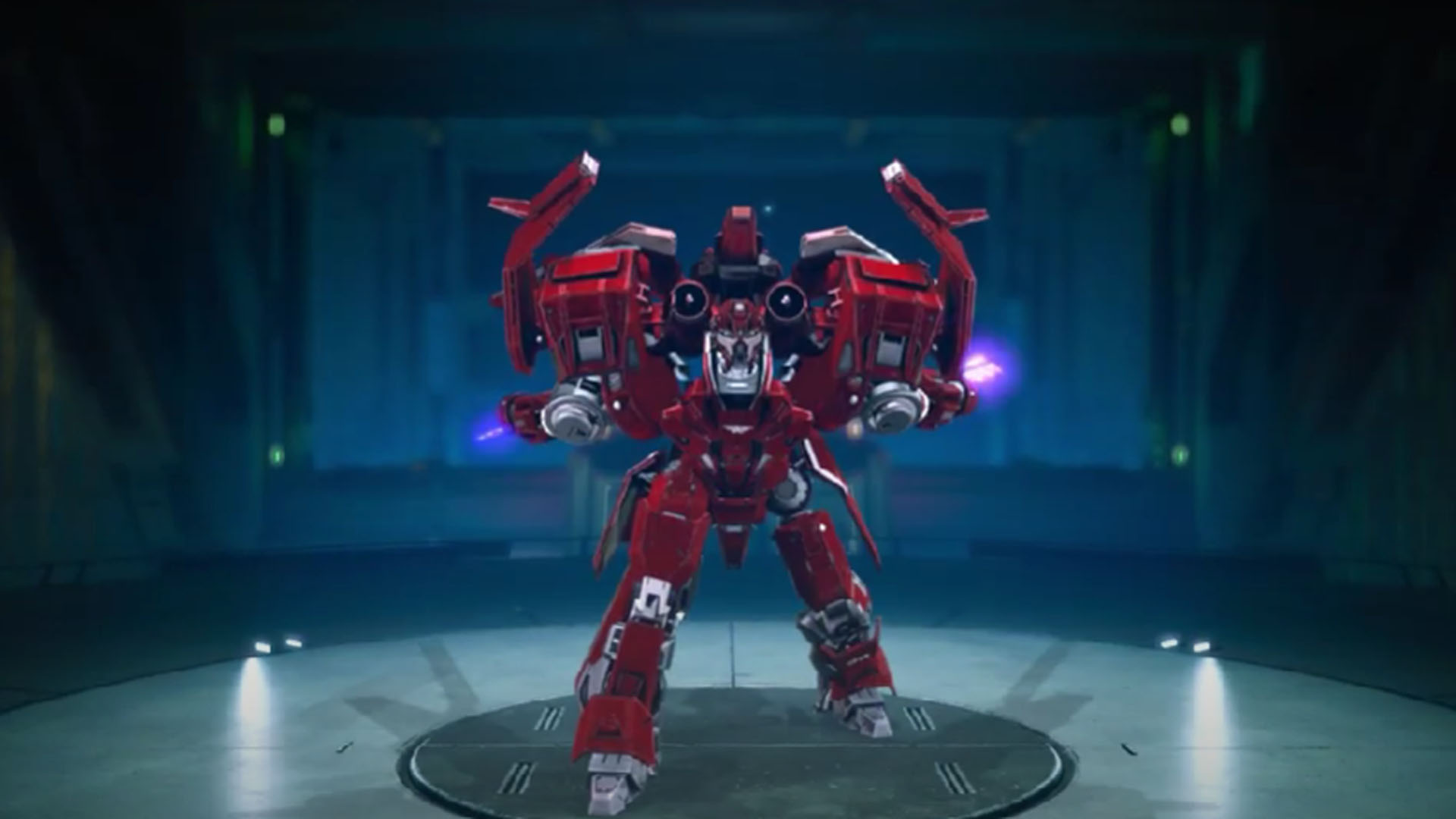
Magic Media has supported a wide range of collaborative co-development projects, including
The Hunter Classic.
Working directly with established production pipelines, our teams contributed art, technical support, and creative problem solving that helped maintain quality across a long running live game.
This real world example shows how a collaborative game co-development workflow can strengthen production and keep large scale projects running smoothly.
These types of co-development partnerships show how shared expertise can improve performance, visuals, and consistency while keeping the studio’s original vision intact.
Why Studios Choose Magic Media as a Co-Development Partner
At Magic Media, we build co-development partnerships around trust, clarity, and open communication. Our teams integrate into your workflow, use your tools, and adapt to your creative direction from day one. Every project benefits from a mix of technical skill, artistic quality, and reliable delivery.
We also support your wider production needs through our
game development outsourcing services, which work alongside co-development to cover additional areas such as engineering, design, and full cycle production.
Our team includes specialists across game VFX, animation, game art, and full production pipelines. This gives you a complete group of experts who can scale with your project whenever you need.
This kind of collaborative game co-development workflow helps studios blend skills smoothly and keep every part of production moving in the same direction.
Start Building Through Collaboration
Collaborative game co-development gives studios the flexibility, stability, and creative strength to deliver at a higher level. If you want to scale production, improve quality, or add experienced artists and developers to your project, we are ready to help.
Your game deserves more than support. It deserves a true co-development partner.
Scale your production, accelerate delivery, and protect your creative vision with Magic Media. Our expert teams integrate directly into your workflow to bring your projects to life.
Explore Game Co-Development with Magic Media
Contact Magic Media to discuss how we can support your next project.
See why studios around the world trust us to create, collaborate, and deliver without compromise.