



Game development in 2025 is bigger, faster, and more visually advanced than ever. It is no longer just about building levels or writing code. Behind every breathtaking game world is an incredible effort in visual storytelling that takes time, talent, and teamwork, and game art co-development is now a key part of that reality.
From indie studios chasing their first milestone to AAA developers launching global blockbusters, producing high quality game art at scale is one of the toughest challenges in the industry. That is where game art co-development comes in.
It is one of the smartest and most efficient ways to grow your art production without compromising creativity, quality, or deadlines. With the right game art co-development partner, you can expand your visual scope, keep your team focused, and still deliver on time.
What Is Game Art Co-Development?
Game art co-development means collaborating with an external team of expert artists who work directly with your studio to create assets, worlds, and visuals that match your style and standards. It is not simple outsourcing. It is integration. Your internal and external teams share tools, pipelines, and creative goals to produce consistent, high quality results.
Instead of sending a brief to a distant game art outsourcing studio and waiting weeks for a batch of assets, your co-development partner works alongside you. They join your production calls, follow your feedback cycles, and adapt to your art direction as the project evolves.
A game art co-development partner can help you create, iterate, and polish:
- Concept art and detailed worldbuilding
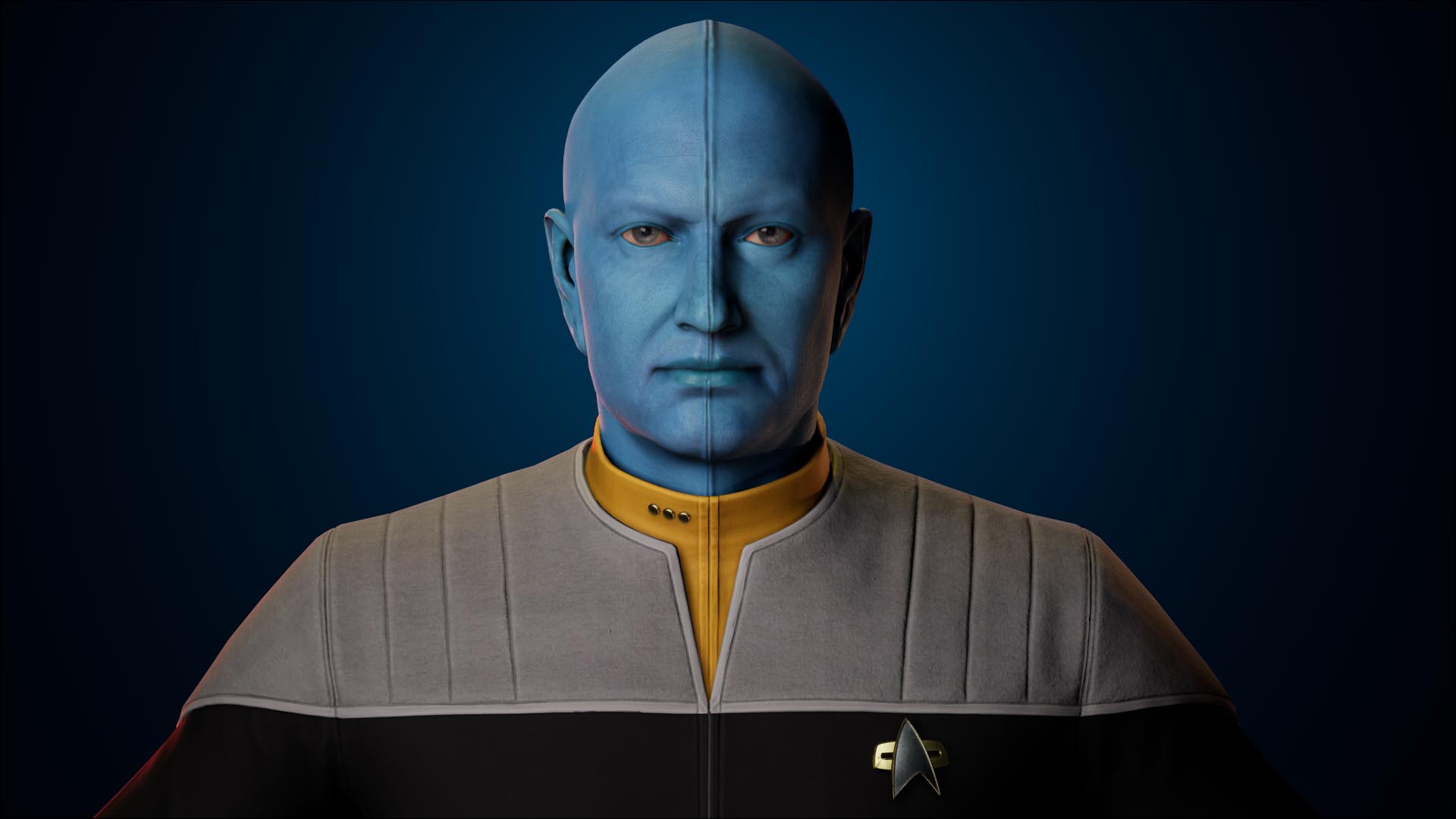
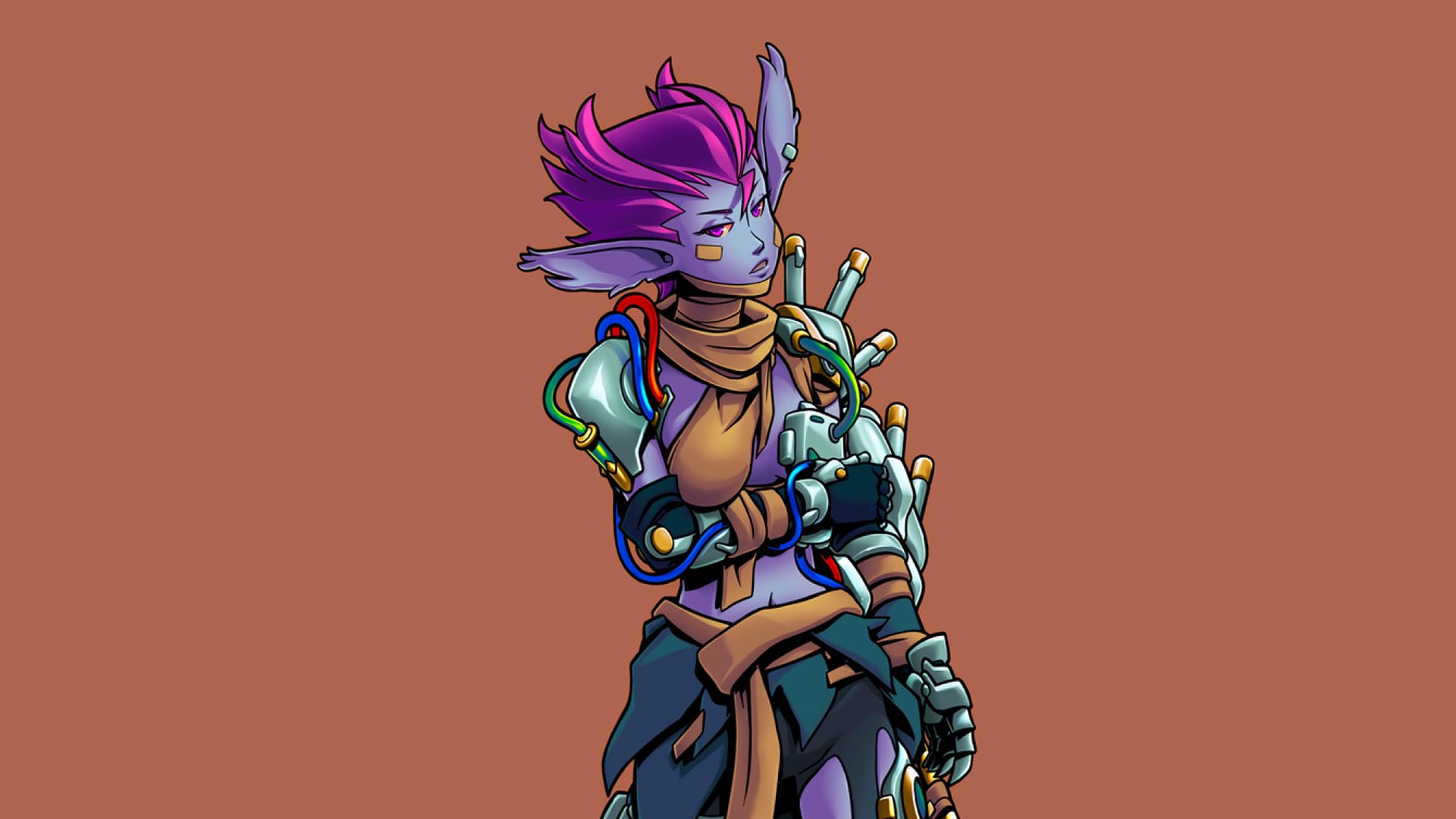
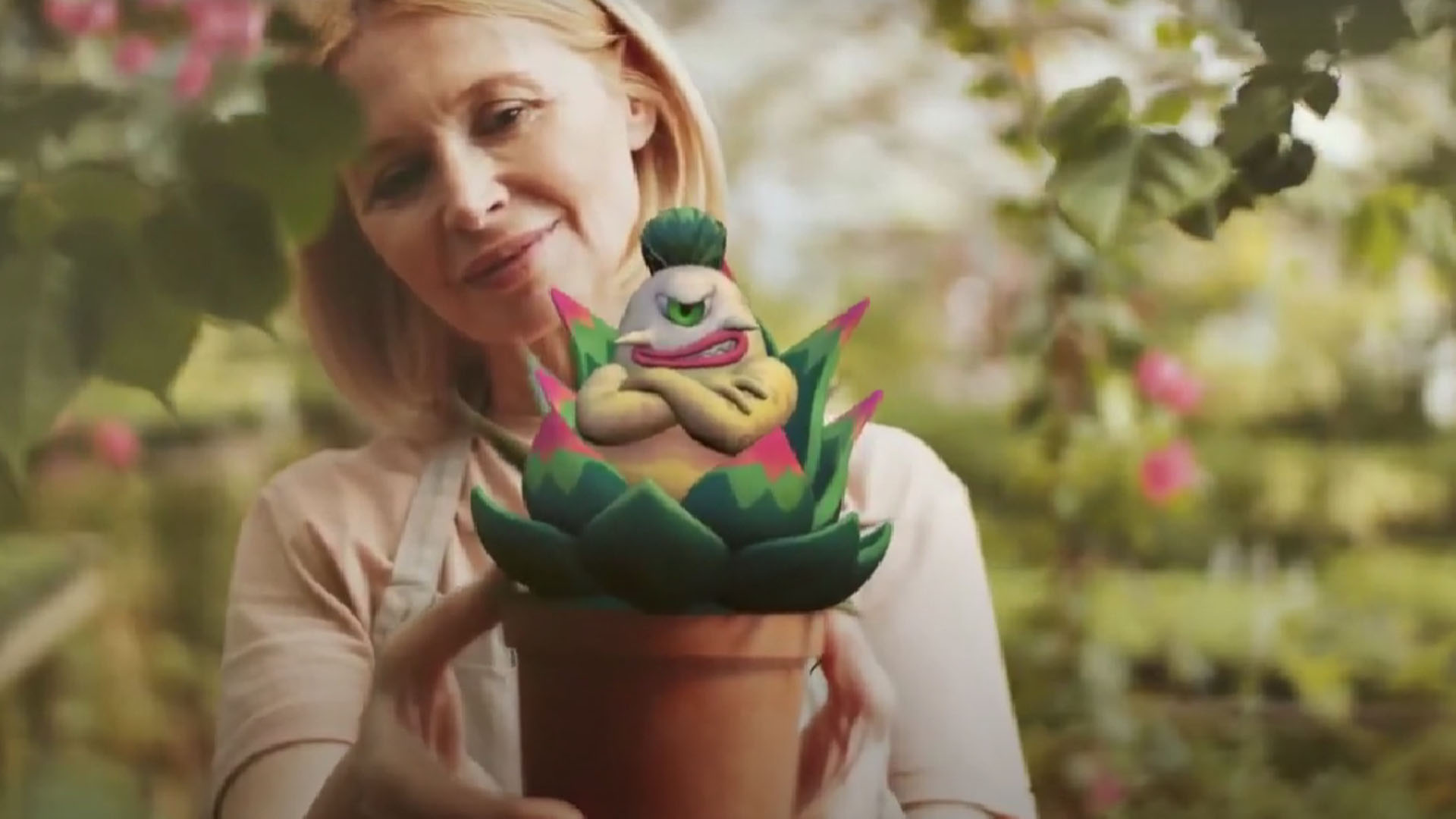
- 2D and 3D characters, props, and environments
- Rigging and animation for characters, creatures, and cinematics
- UI, HUD design, and iconography
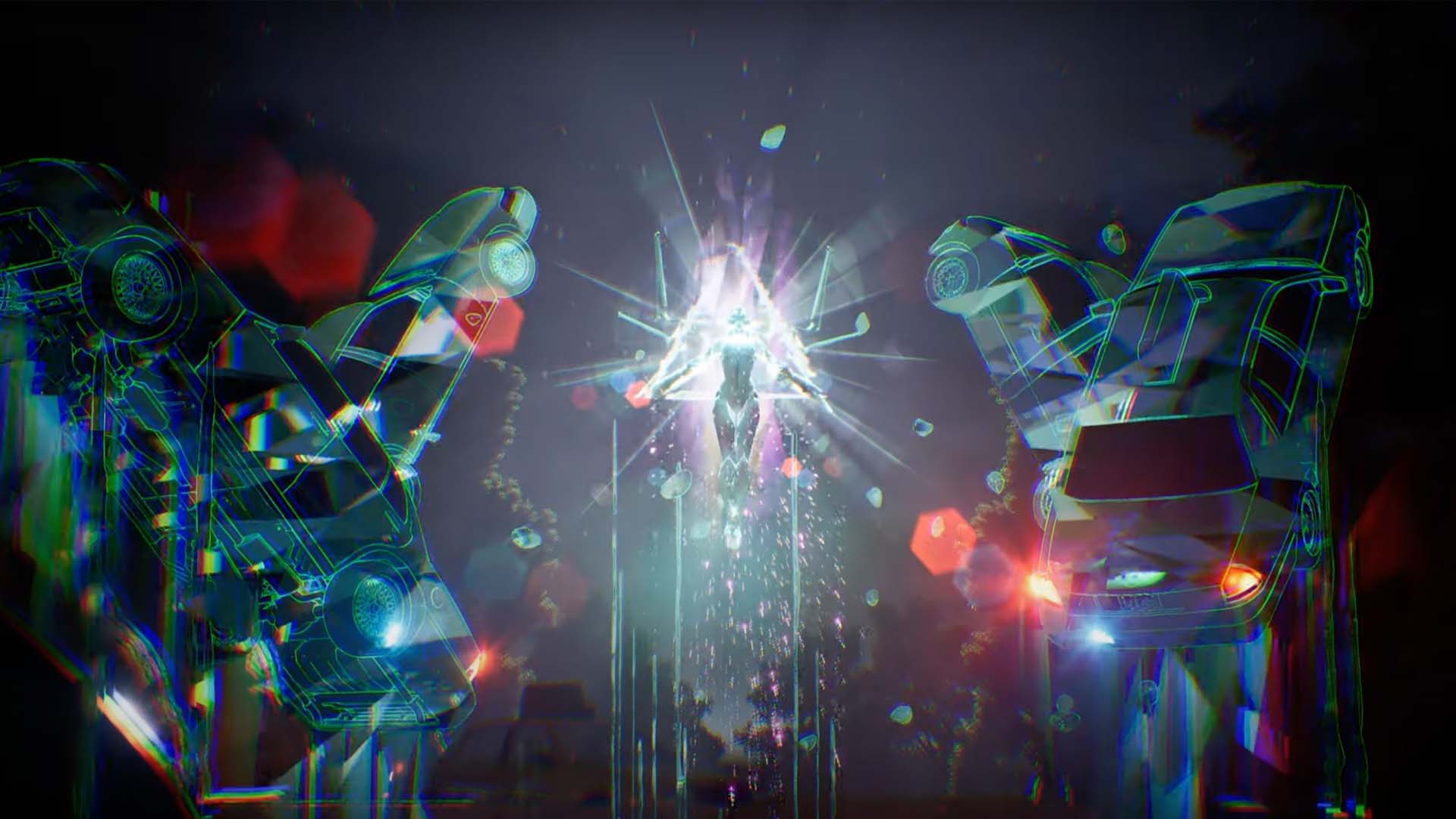
- Visual effects, shaders, and cinematic sequences
- Optimized assets for multiple platforms and hardware targets
- Live ops and post launch art updates
You keep full creative control over your game. Your game art co-development services partner provides the artistic skill, technical depth, and production support that help you hit every milestone while protecting your vision.
How Game Art Co-Development Works in Practice
A strong game art co-development partnership follows a clear structure. At Magic Media, the process is designed to feel like an extension of your own studio rather than a separate vendor relationship. Our game co-development services are built around transparency, flexibility, and creative alignment.
A typical game art co-development workflow and game art production pipeline includes:
- Discovery and scoping. Together, we review your project, schedules, and technical needs. We define priorities, asset lists, visual targets, and delivery expectations.
- Pipeline and tool alignment. We align with your engines, software, and version control systems. This can include Unreal Engine, Unity, custom tools, or proprietary pipelines.
- Pilot phase. A smaller set of concepts, models, or VFX is produced first. This phase validates style, quality, and communication before full scale production begins.
- Full production. Once approvals are in place, the co-development team ramps up. Regular reviews and feedback loops keep everything on track and in line with gameplay needs.
- Integration and polish. Assets are tested in engine, adjusted for performance, and refined to match gameplay, narrative, and technical constraints.
- Live support. For live service or ongoing projects, the team can stay in place to handle events, seasonal content, and new feature art.
This structure means you always know who is doing what, when it will be delivered, and how it fits into your wider production plan.
Why Co-Development Is Better Than Traditional Outsourcing
Traditional game art outsourcing is usually a one way handoff. You send a brief, wait for deliveries, and hope the results match your expectations. Changes can be slow, communication can feel limited, and feedback loops often become frustrating.
Game art co-development is different. Your external art team integrates directly into your production pipeline, shares your tools, and communicates in real time with your developers and artists as part of a structured external development approach.
With the right game art co-development partner, you gain:
- Scalable, flexible art production that can ramp up or down as needed
- Smooth integration into your workflows and pipelines
- Reduced hiring, onboarding, and training costs
- Creative alignment with your studio’s vision and style guides
- Full transparency on progress, roadmaps, and milestones
- Consistent, high quality art over months or years of development
You also gain more control over risk. Instead of engaging multiple disconnected vendors, you build a long term relationship with a partner who understands your IP, your technology, and your expectations.
Game Art Outsourcing Versus Game Art Co-Development
Many studios start with classic game art outsourcing and only later realize how much more effective art co-development can be. The core difference is collaboration. Outsourcing focuses on deliveries. Co-development focuses on partnership and shared responsibility.
In simple terms:
- Ownership. Outsourcing is often task based with limited context. Co-development teams share responsibility for the final look and feel of the game.
- Communication. Outsourcing can rely on tickets and long email chains. Co-development uses shared channels, regular calls, and real time collaboration tools.
- Consistency. With outsourcing, each batch of art can feel slightly different. With co-development, the same team grows with your project and your IP.
- Use cases. Outsourcing works for one off asset packs or isolated tasks. Co-development shines on long term, content heavy titles with evolving needs.
If you already use game art outsourcing, co-development is the natural next step when you want more reliability, more creative support, and deeper integration with your internal team. It gives you the strength of an external studio with the cohesion of an in house department.
When Should You Use Game Art Co-Development?
Game art co-development is useful for studios of all sizes, but it is especially powerful when you face real pressure on time, quality, or internal bandwidth.
You should consider game art co-development when you are dealing with:
- Tight production schedules and hard launch dates
- Large or complex asset libraries across multiple locations or biomes
- Bandwidth or skill shortages inside your team
- Next generation console or high end PC optimization
- Ongoing live service or live ops updates that never slow down
- New visual styles, technical directions, or creative experiments
Maybe your internal artists are already fully booked on core gameplay content. Maybe you need senior specialists for a new rendering approach or a different art style. Or maybe you want your in house team focused on design and systems while an experienced partner handles the most demanding art production.
That is exactly what game art co-development is built for. It lets you scale up without slowing down, and expand your visual ambition without burning out your team.
Game Art Co-Development for Different Studio Sizes
The needs of an indie team are very different from the needs of a large AAA studio, but game art co-development can support both when it is structured correctly.
Indie and emerging teams can use co-development to access senior art direction, build key hero assets, or handle complex tasks like VFX or technical art that are hard to cover with a small core team.
Growing mid size studios often need extra capacity during key phases like vertical slices, major demos, marketing beats, or final polish. Co-development gives them a reliable, repeatable way to scale art production without committing to permanent headcount.
AAA studios can use co-development to handle entire content streams. That might include level art for specific regions, specialized creature or vehicle pipelines, cinematic shots, or long term live service art for expansions and events.
In each case, the co-development model stays the same. The scope and structure are tailored to match the size, complexity, and culture of the studio. Our teams can plug into focused art pipelines or support full projects alongside our wider game art services.
Managing Risk With Game Art Co-Development
Working with external teams always introduces some level of risk. Timelines, quality, communication, and technical gaps are common worries. A good game art co-development partner should reduce these risks, not add to them.
Industry events such as the External Development Summit focus on best practices in external development across art, animation, engineering, and more. They highlight how carefully structured collaboration and shared standards can make external partnerships more
Your game deserves more than support. It deserves a true co-development partner.
Scale your production, accelerate delivery, and protect your creative vision with Magic Media. Our expert teams integrate directly into your workflow to bring your projects to life.
Explore Game Co-Development with Magic Media
Contact Magic Media to discuss how we can support your next project.
See why studios around the world trust us to create, collaborate, and deliver without compromise.