



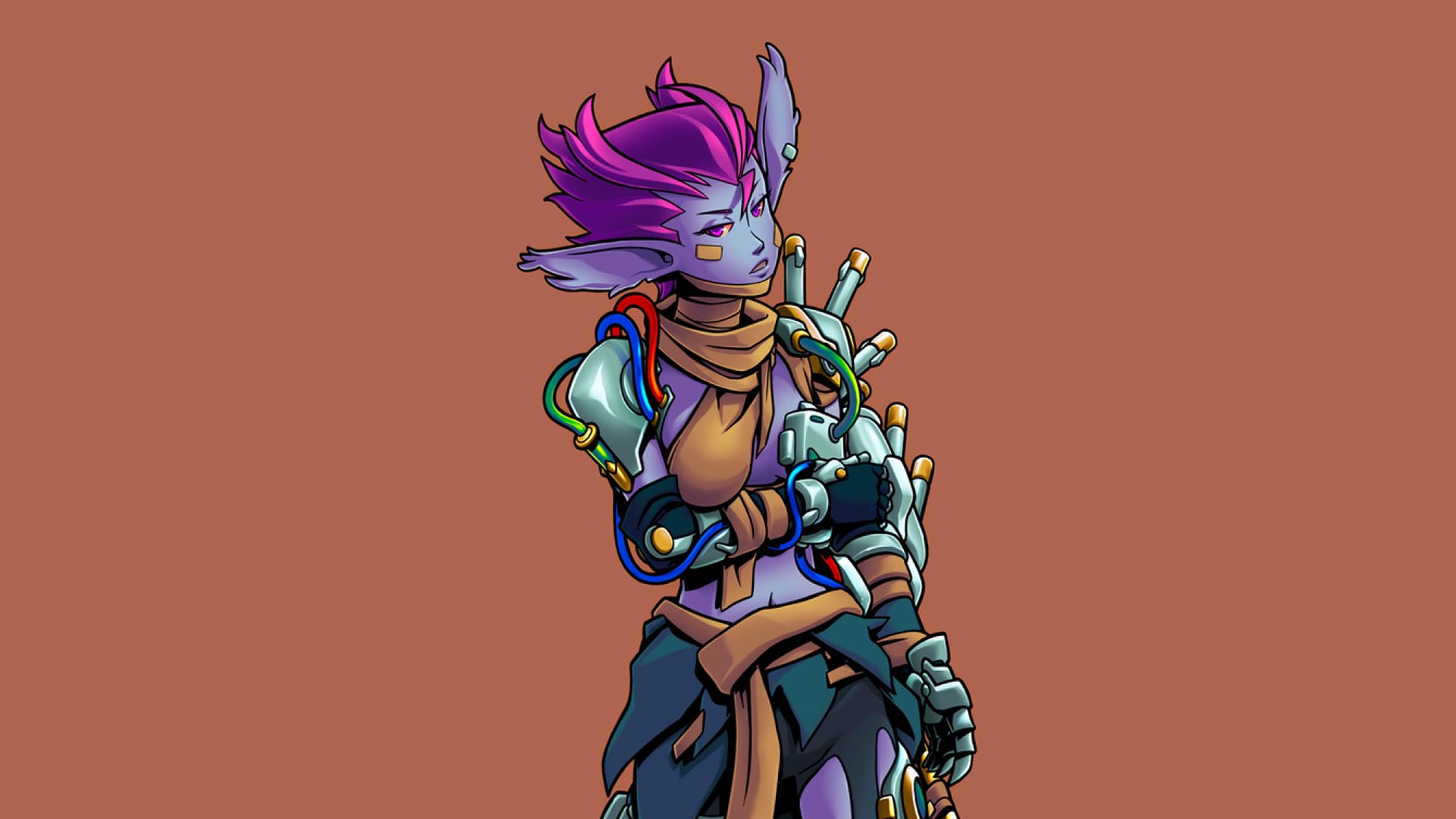







Mobile game development in 2025 is defined by scale, speed, and technical maturity. As player expectations rise across iOS and Android, studios are under increasing pressure to deliver polished mobile games that perform reliably, monetize effectively, and support long term live operations.
From indie teams to large publishers, successful mobile game development now depends on choosing the right technology stack early. Game engines, production tools, and backend systems must support rapid iteration, cross platform deployment, and consistent performance across a wide range of mobile devices.
At Magic Media, we work with studios worldwide on mobile game development projects at every stage, from early prototyping to full scale live service production. Based on ongoing client work and industry trends, several tools stand out as essential for mobile game developers in 2025.
Choosing the right game engine is one of the most important decisions in mobile game development. The engine impacts performance, scalability, development speed, and long term support for live updates and new content.
The Unity game engine continues to be a leading choice for mobile game developers building 2D and 3D titles. Unity supports both iOS and Android development, offers mature tooling for monetization and analytics, and provides a robust ecosystem that supports long running mobile games.
Asset Creation Tools for Mobile Game Development
High quality asset creation is one of the most important parts of mobile game development. Your 3D models, animation rigs, textures, UI elements, and VFX directly impact performance, visual clarity, file size, and player retention, especially on iOS and Android devices with varied hardware.
A go to tool for many teams is Blender, an open source 3D creation suite used for 3D modeling, rigging, animation, rendering, and real time production pipelines. Blender is widely adopted because it runs across major operating systems and scales well from indie teams to larger studios. In 2025, Blender remains a strong fit for mobile game development workflows where efficient asset creation and optimization matter.
For 2D production and polish, Adobe Creative Cloud continues to be an industry standard. It is commonly used for UI and UX assets, texture authoring, marketing creatives, and production support, with frequent updates that help teams move faster without sacrificing quality.
Analyzing Mobile Game Dev Projects
In 2025, analytics is not optional for mobile game developers. The most successful mobile game dev projects use data to improve onboarding, retention, monetization, and live ops planning. Tracking player behavior helps teams understand where users drop off, what content drives engagement, and which devices or OS versions are causing performance issues.
Best Practices for Mobile Game Analytics and Optimization
- •Track retention and churn: Measure D1, D7, and D30 retention, session length, and return frequency to evaluate long term player engagement in your mobile game.
- • Instrument onboarding and tutorials: Monitor tutorial completion, early drop off points, and time to first success to improve UX and reduce uninstall rates.
- • Monitor monetization performance: Compare IAP conversion, ad engagement, ARPDAU, and purchase funnels to optimize pricing, offers, and ad placements without hurting gameplay.
- • Segment players by device and OS:Break down analytics by iOS and Android versions, chipsets, RAM, and screen sizes to spot performance bottlenecks and compatibility issues.
- • Use crash and performance reporting: Track crashes, ANRs, memory spikes, load times, and FPS across devices to protect stability and store ratings.
- • Validate live ops updates with A/B testing: Test events, difficulty changes, economy tweaks, and new content drops to confirm improvements before rolling out broadly.
Testing, Backend, and Live Ops Tools for Mobile Games
To stay competitive in 2025, mobile game development teams need mobile game testing tools and QA automation built into the pipeline.
Between iOS and Android device fragmentation, frequent OS updates, and rising performance expectations, manual testing alone does not scale. Device cloud testing, automated UI testing, and continuous integration workflows help studios catch crashes, ANRs, and performance regressions early, so updates ship faster and more reliably.
That kind of reliability protects app store ratings and retention by keeping gameplay smooth across a wide range of devices, especially when supported experienced mobile game development teams.
Another missing layer in most essential tools roundups is mobile game backend services and live ops infrastructure.
Modern mobile games rely on backend systems for authentication, player profiles, telemetry, leaderboards, matchmaking, and scalable content delivery. The backend stack you choose, whether backend as a service or a custom solution, is what enables live events, frequent content updates, and stable monetization over time.
When backend, testing, analytics, and content delivery work together, you end up with a mobile game development toolchain designed for long-term growth across iOS and Android.
Mobile Game Development solutions for your next studio project.
Scale your production, accelerate delivery, and protect your creative vision with Magic Media. Our expert teams integrate directly into your workflow to bring your mobile projects to life.
Explore Mobile Game Development with Magic Media
Contact Magic Media
to discuss how we can support your next project.
See why studios around the world trust us to create, collaborate, and deliver without compromise.