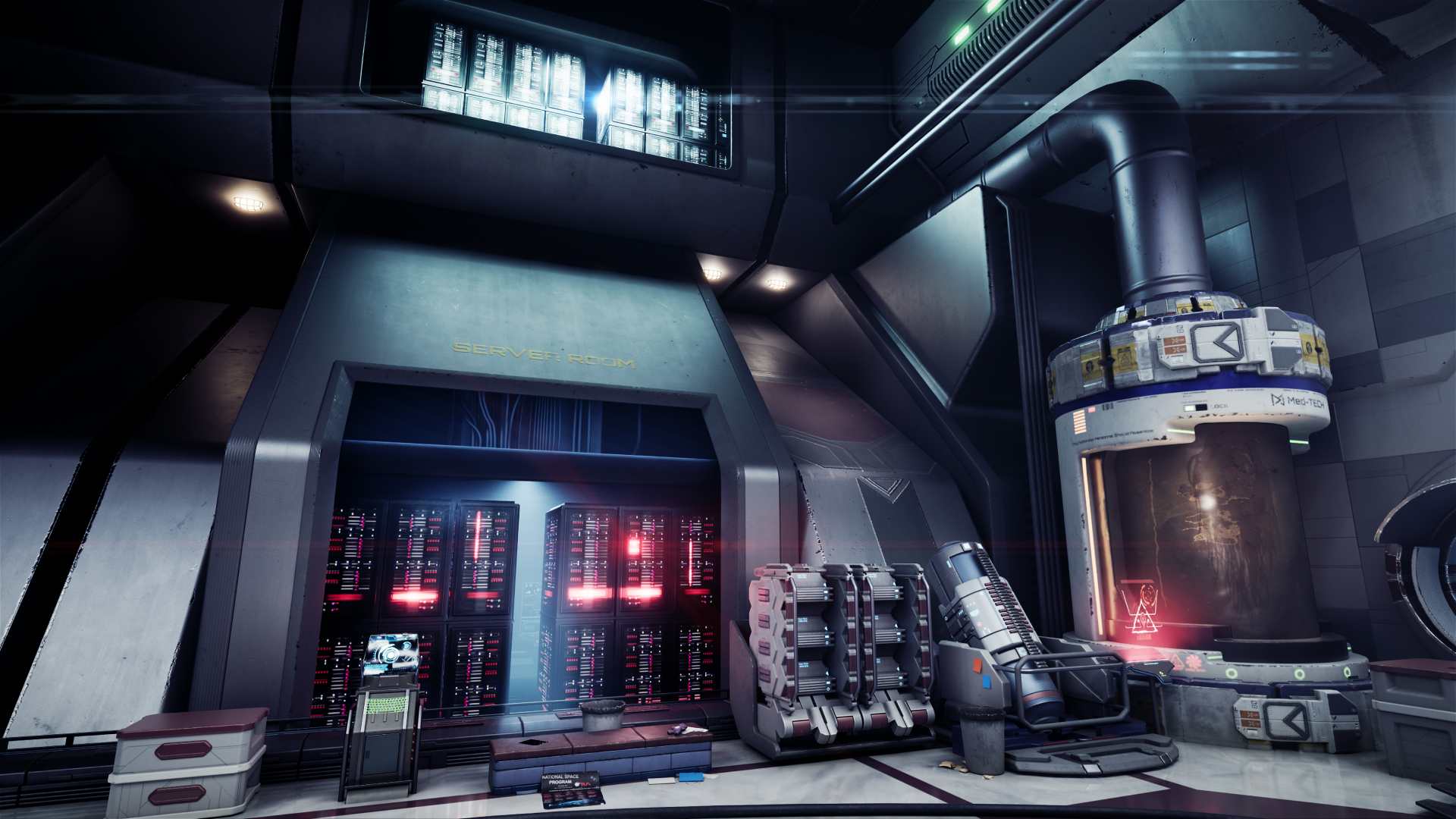


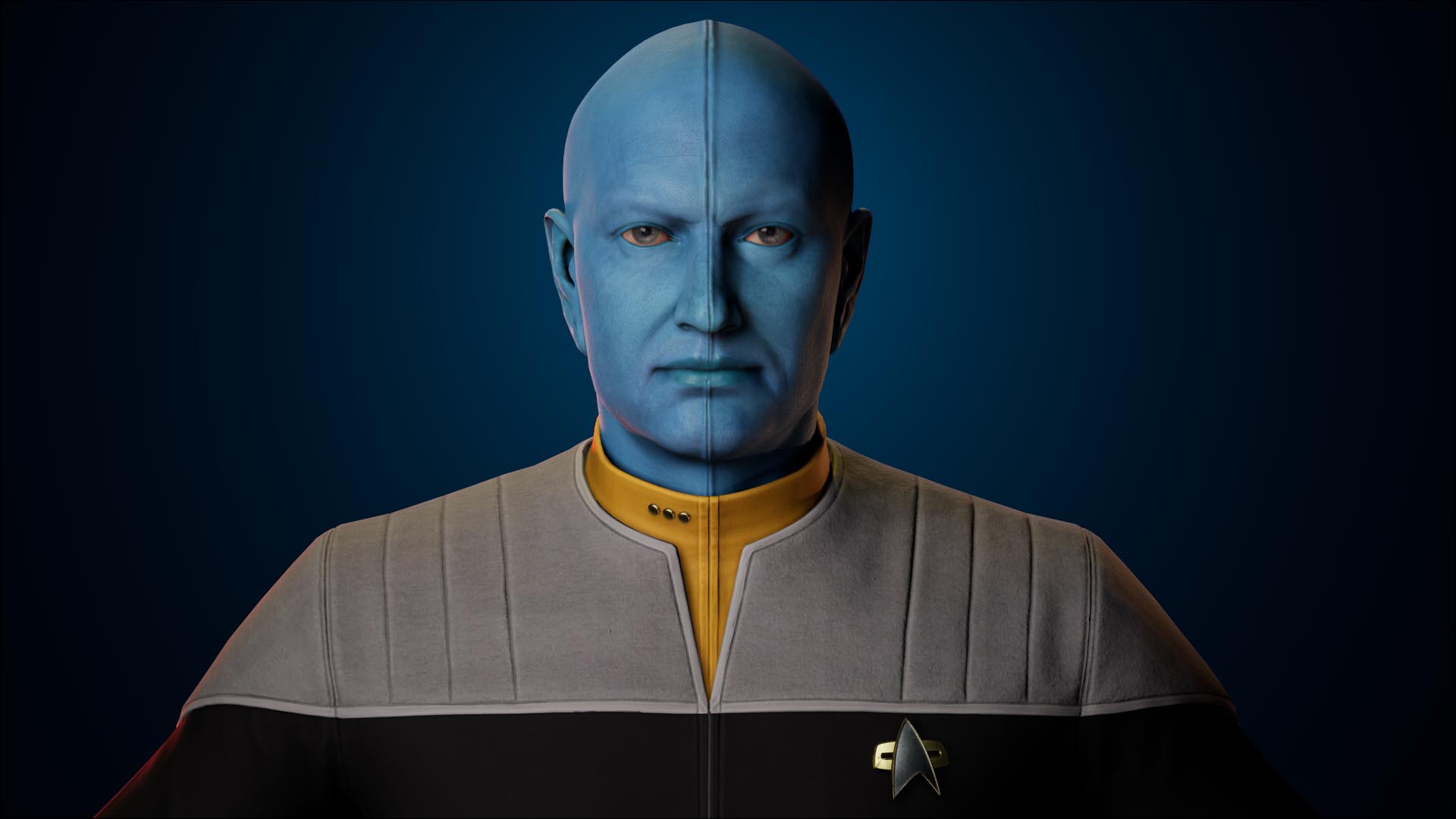
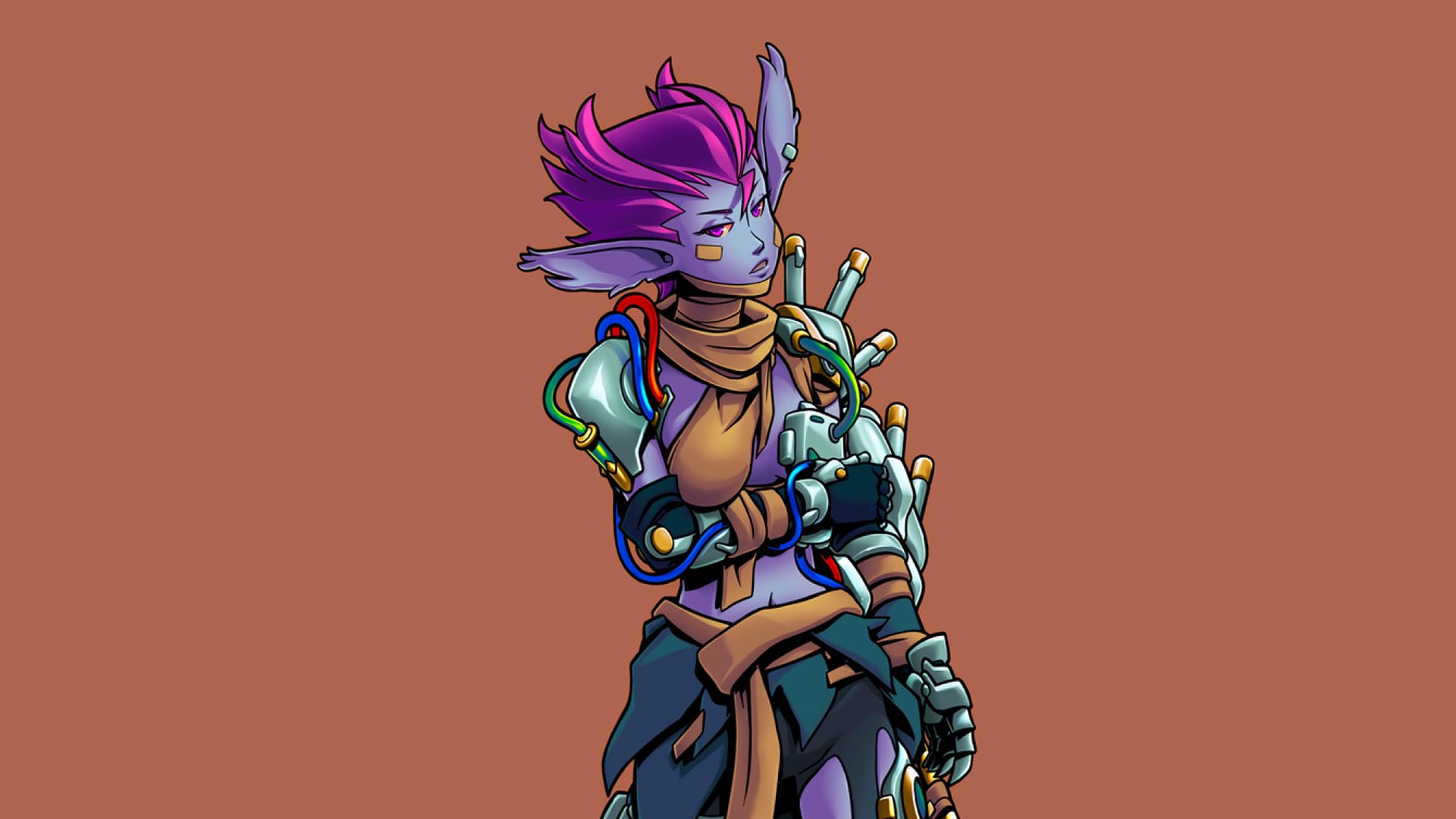

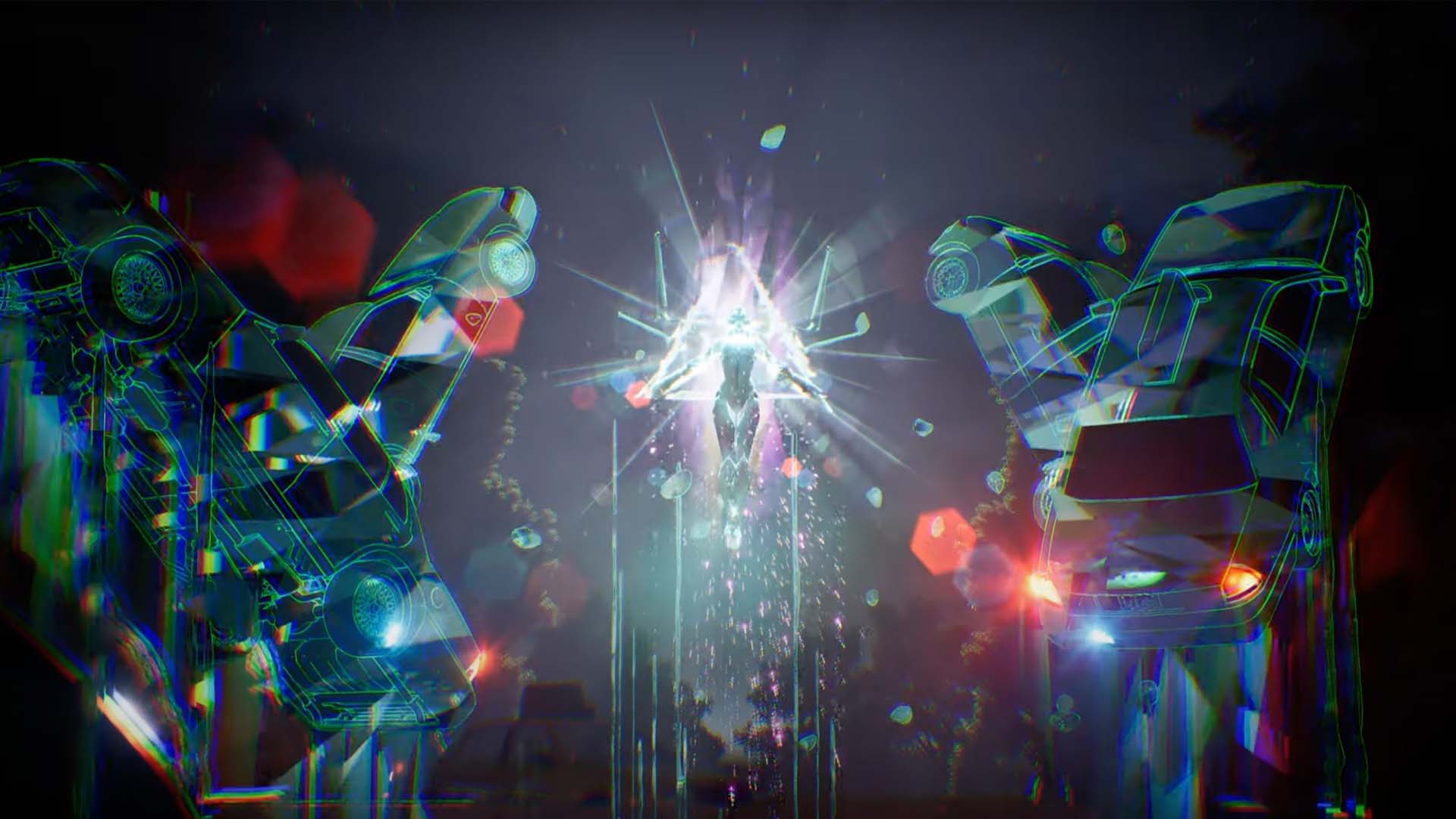


AI game development in 2026 is no longer a side experiment, it is baked into the engines teams already ship with. Unity is rolling Muse and Sentis into Unity AI, a suite built directly into the Unity Editor for faster iteration on code and assets. Epic is doing the same from the Unreal side, with the Epic Developer Assistant to speed up UEFN workflows, and new creator facing systems like the Persona Device aimed at building more responsive AI driven NPCs. The takeaway is simple, AI is becoming part of everyday production, while humans still set the vision, taste, and quality bar.
When used properly, AI helps game teams move faster without cutting corners. It takes on repetitive work like asset variations, test passes, dialogue drafts, and data heavy balancing, freeing developers to focus on design decisions that actually matter. The real value is not automation for its own sake, but new creative workflows that were previously too slow or complex to be practical. In modern pipelines, AI works best as a collaborator that accelerates ideas, while human teams stay firmly in control of quality, intent, and final execution.
How Magic Media Applies AI in Real Game Production
At Magic Media, we push innovation by testing what actually holds up in production. Our teams have been working hands on with AI to map where it delivers real value, and where it still needs a human lead. Across procedural content, game art support, narrative iteration, and QA acceleration, we’ve validated how AI fits into both lean indie workflows and complex, large scale pipelines. If you want a partner that can integrate this responsibly without disrupting delivery, our co-development teams can plug in at any stage and keep the work moving.
How Is AI Actually Used in Game Development in 2026?
So what does AI actually do for a game team in 2026, beyond the hype? It helps teams iterate faster, catch issues earlier, and explore more options before production locks. Here are the most common real world problems AI is being used to solve right now.
- Faster iteration, quicker prototypes, more variations, and faster content drafts so teams align on direction sooner
- Smarter QA support, automated playthroughs, bug grouping, and regression checks that cut down repetitive testing loops
- More believable NPCs, better behaviors, cleaner dialogue logic, and improved reactivity without hand authoring every edge case
- Production efficiency, faster tagging, classification, documentation, and pipeline support work that normally eats time
- Creative exploration, concept expansion and narrative branching support while writers, designers, and art directors stay in control
Where AI Game Development Is Heading in 2026
We’ll break down the most impactful use cases, what to watch out for, and the question everyone asks, can AI replace human creators?
Here’s what matters in 2026. AI is moving out of isolated experiments and into everyday production. Not because it is magically creative, but because it helps teams move faster with fewer bottlenecks. The studios that get the most value are not the ones chasing trends, they are the ones integrating AI into specific steps like iteration, testing, and content support, with clear rules for quality and approval.
We are also seeing AI features show up directly inside major engines and creation tools. Epic has been expanding AI driven creator workflows across the Unreal ecosystem, including tools that support building and managing NPC behavior and creator pipelines. Unity is doing the same with Unity AI, bringing assistant style help and generation tools into the Editor. The practical impact is faster problem solving, quicker iteration cycles, and fewer slow handoffs between disciplines, especially early in production when changes are constant.
Whether you are building a small mobile title or a massive open world RPG, adapting to AI game development is no longer optional. It is becoming a baseline expectation for speed and competitiveness. The smart approach is simple. Start with use cases that are measurable, keep humans in charge of creative decisions, and treat AI output as a draft that must earn its place in the final build.
According to Unreal Engine updates, more tools are being designed to reduce friction in areas like animation workflows, creator scripting, and world building, which is exactly where teams tend to lose time.
If you are exploring AI game development to streamline your pipeline or to push new gameplay ideas, 2026 is a strong time to do it. Just be clear on the goal, choose the right place in the pipeline, and measure results like iteration speed, bug escape rate, and content throughput.
What are the Uses of AI in Game Development?
Currently, the potential of AI for game developers is still being explored. However, several strong applications and uses for these tools have already emerged.
Living NPCs
AI text generation enables Non-Player Characters (NPCs) to respond fluidly to player inquiries and questions. In open world games like Skyrim, a closed set of information can be provided to groups of NPCs, allowing players to seamlessly gather information through in game characters. Imagine quests, rumors, and world knowledge being communicated to players via the characters that populate the game world.
Assisting Procedural Content Generation
Procedural generation of levels, quests, and events isn’t new to game development. However, the inclusion of AI introduces vast potential. Traditional procedural generation can sometimes produce nonsensical or irregular patterns. With refined AI techniques, we anticipate significant advancements in procedurally generated content.
Building Basic Art and Assets
AI generated art is a complex topic. Nonetheless, our artists have found AI art to be efficient as a reference, inspiration, or starting point for their own creations. Incorporating AI into the game development pipeline enhances efficiency and provides a quick source of inspiration.
Narrative Assistance and Overcoming Writer’s Block
Similarly, AI’s role in creative and functional writing is multifaceted. For those who view it as a tool to assist existing writers, we’ve discovered it to be invaluable in overcoming creative blocks and facilitating efficient narrative design.
Assisting in Quality Assurance (QA)
Comprehensive, end to end quality assurance is essential in game development. AI tools can significantly support QA teams in these labor intensive and often repetitive tasks, enhancing the overall QA process.
Will AI Game Development Replace Game Developers?
As we observe the ongoing development of AI tools, our conclusion is clear: no, AI will not replace game developers. While these tools are impressive and offer a wide range of applications, they remain rudimentary without the expertise and creativity of skilled professionals.
AI game development is still led by human developers. Our game developers, artists, programmers, QA engineers, and more are at the forefront of these efforts. We believe that AI reaches its full potential when utilized by those who understand the intricacies of game creation.
In the hands of seasoned professionals, AI tools serve as sources of inspiration, facilitate efficient ideation, and push the boundaries of existing workflows and game mechanics. Even in areas where AI excels, such as QA, the human element remains indispensable. At Magic Media, we view AI in game development as another tool in our arsenal—one to be used judiciously, explored for its capabilities, and applied effectively, rather than as a ones size fits all solution.
From full-cycle game development and co-development, to game VFX, game art, video production, and more, we offer a one-stop studio of services for your needs. We’re always exploring new tools and technologies like AI game development, so get in touch today and let’s create magic.
Bring AI into your game without disrupting production.
Magic Media helps studios scope, implement, and integrate practical AI features within existing pipelines, with clear delivery and full creative control.
Explore AI Development Support with Magic Media
Contact Magic Media to discuss your goals and the right support model.